The Periodic Table of Change Elements
Elements of Change
The Lean Change Elements of Change help you design a contextualized approach to change. Each element is carefully crafted across 4 dimensions to help you make more conscious choices for how to facilitate change in your organization.
Explore the core elements
Two disciplines. Four dimensions. Yours to combine.
The 36 core elements, grouped by discipline — the Art of how you show up, and how your temperament, skills and experience influence how you use the ideas and tools. The Science of change is how to apply ideas and tools. Exceptional change agents know how to balance the art and science of change.
Change Canvases
Changes canvases are placeholders for conversations. They're not simply a template to get people to fill out, you need to find the…
Lean Coffee
Lean Coffee helps you create meaningful dialogue versus broadcasting information at people. Our virtual Lean Coffee tool is in bet…
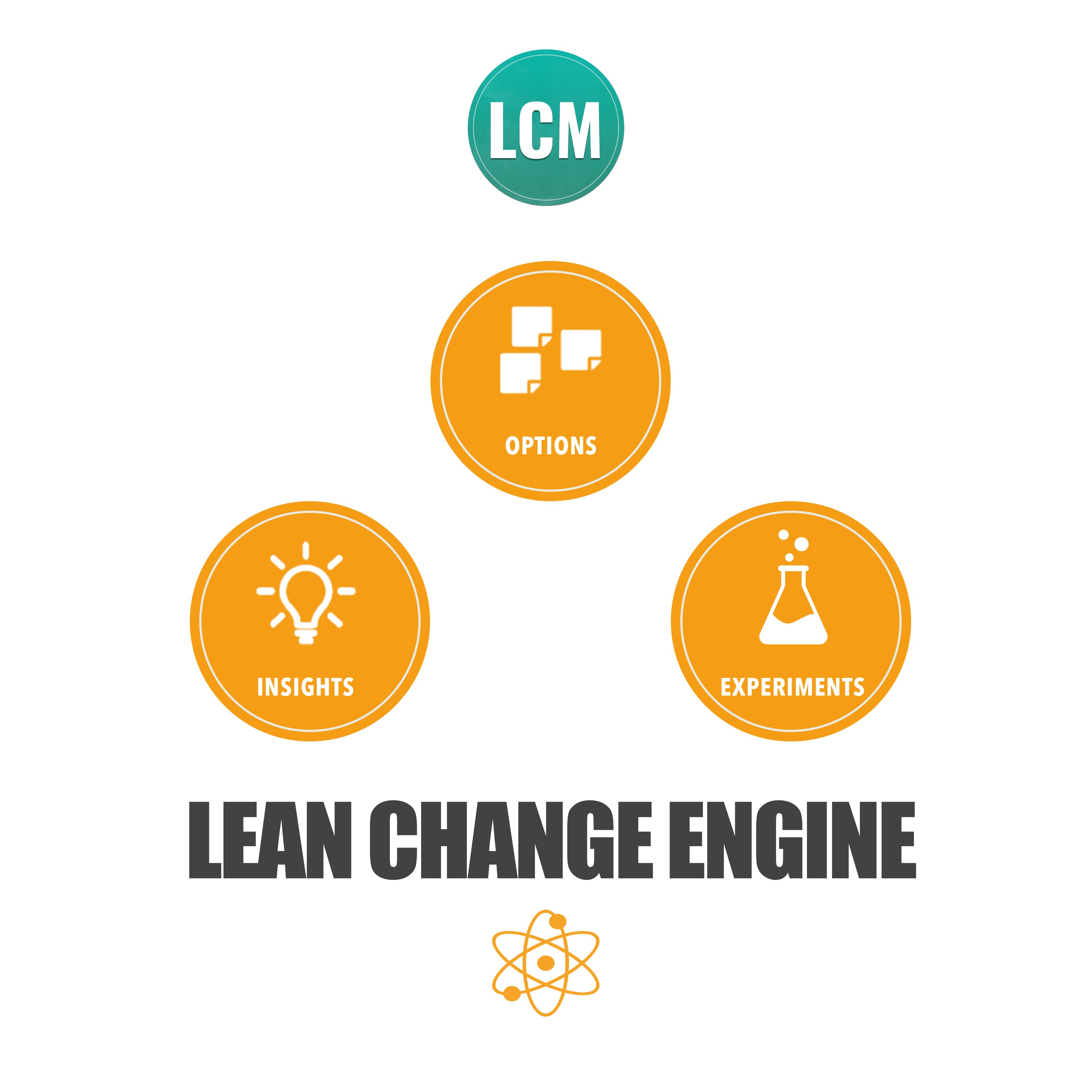
Lean Change Engine
Lean Change Management is a feedback-driven approach to change management inspired by the best ideas from Agile, Lean Startup, Cha…
Big Visible Change Wall
The work is easier to manage when you can see it. Big Visible Walls give us a single-source of truth for making better decisions.
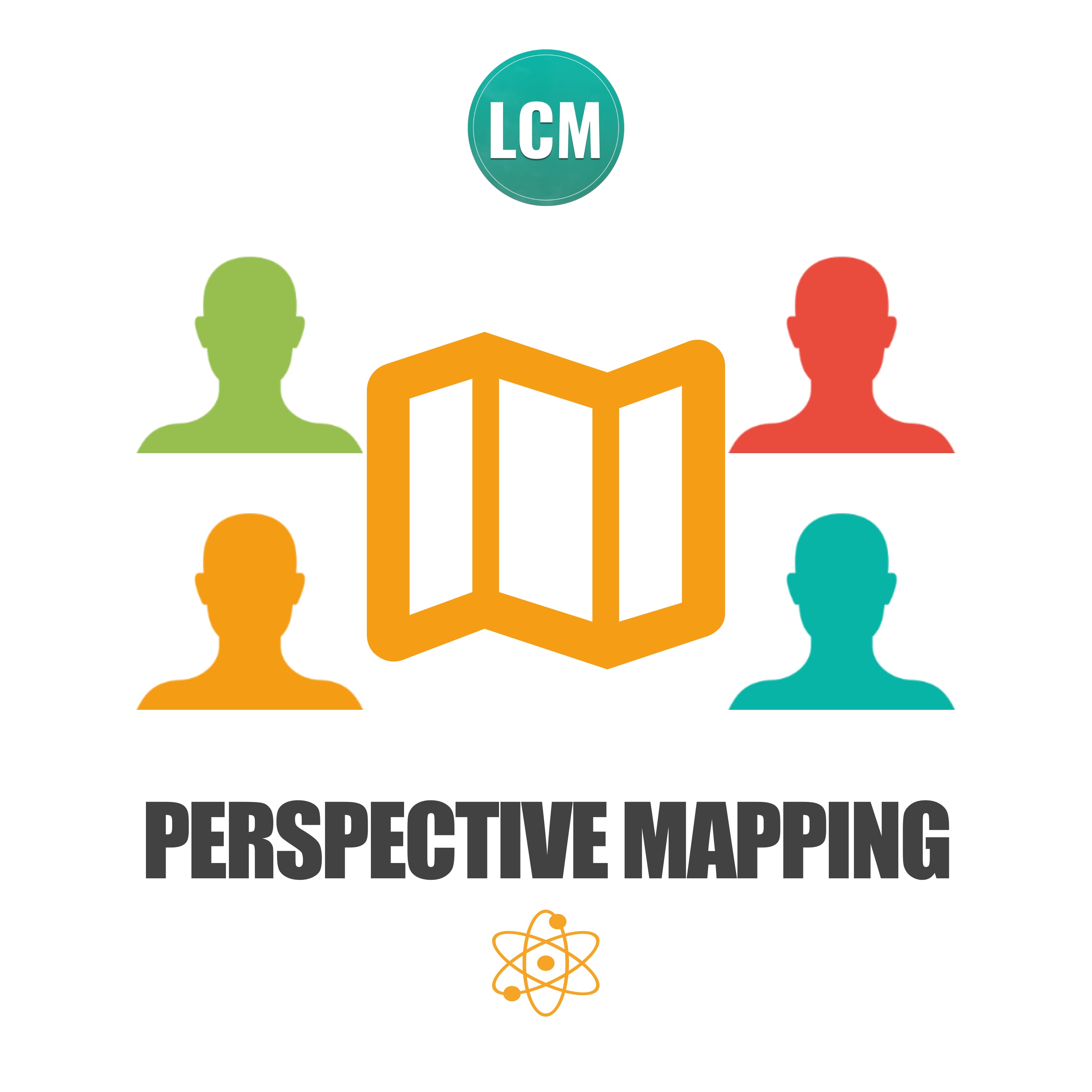
Perspective Map
Perspective Matters. This tool helps us explore the similarities and differences people have about the change.
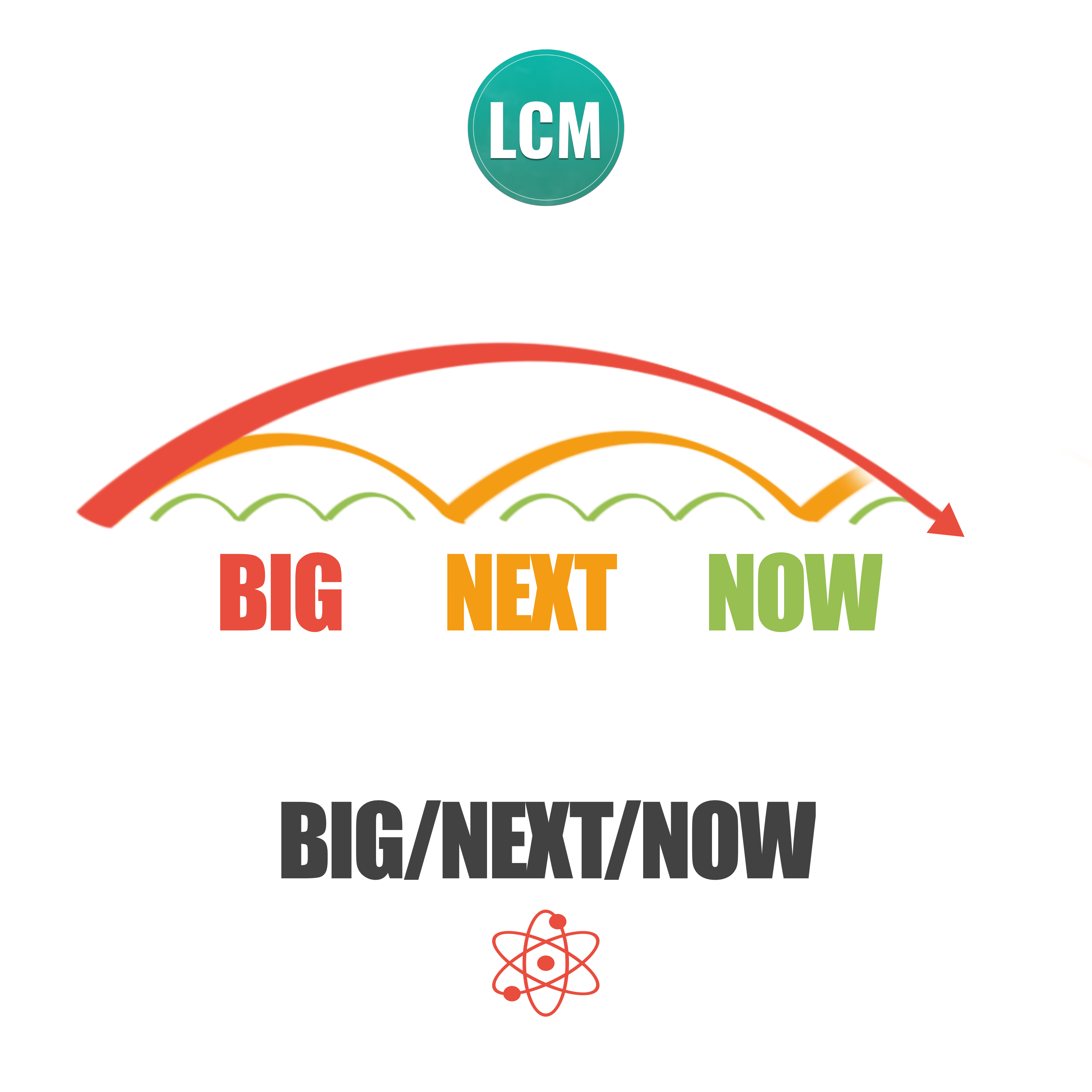
BIG/NEXT/NOW
This core element helps us align and manage our change work. It's a mental model for how to focus on what matters now, and what ca…
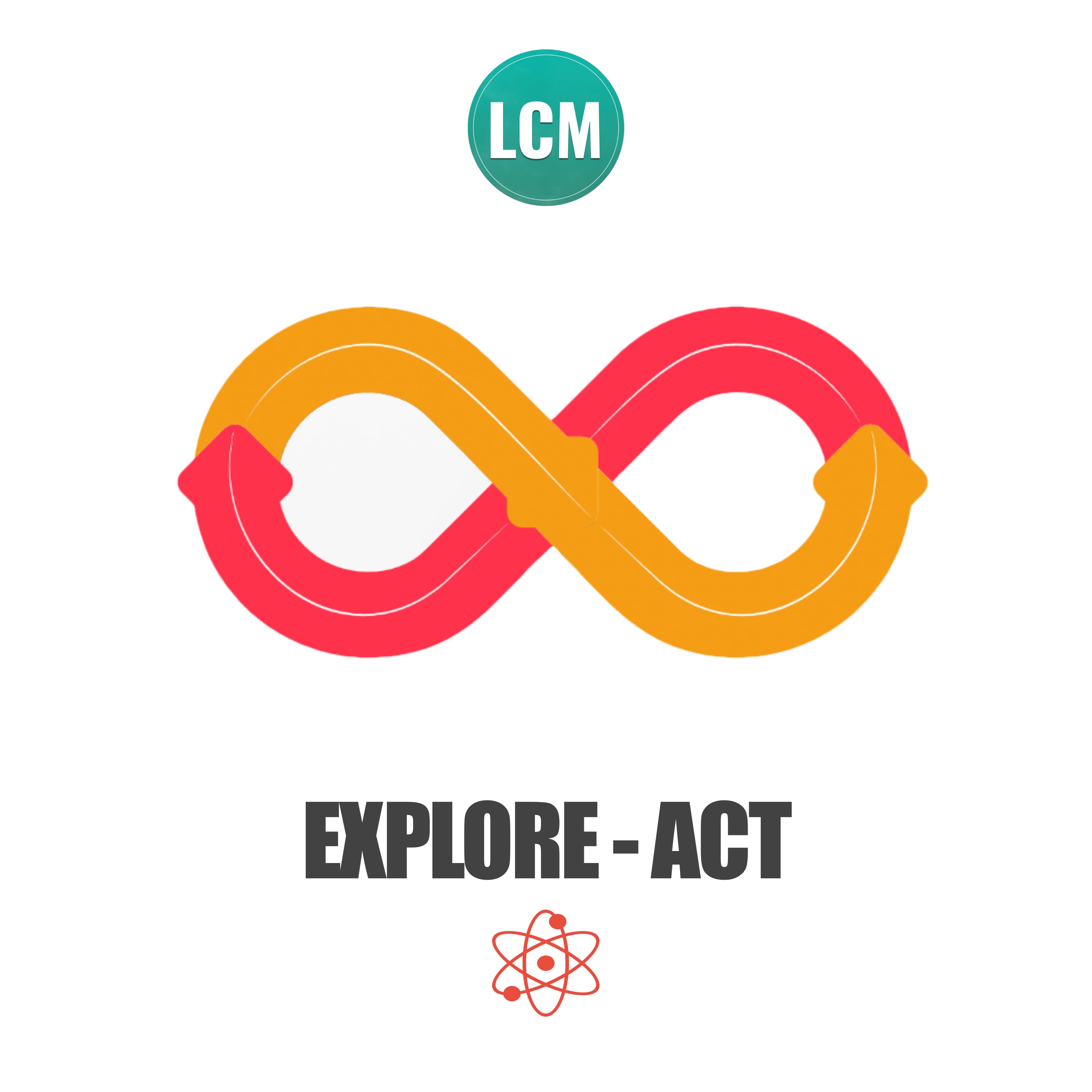
Explore - Act
Explore-Act is a model that balances learning with deliberate action, allowing change to emerge through experimentation, feedback,…
Experiments
What will we do? What's our hypothesis? How will we see progress? How will we know we've got our intended outcome?
Movers, Moveables, Immovables
People respond to change differently. Movers run with it, Moveables wait and see and Immovables ignore or push back. It's importan…
Change Personas
Change personas help us have empathy for the people affected by the change. They help focus our efforts and find the movers who'll…
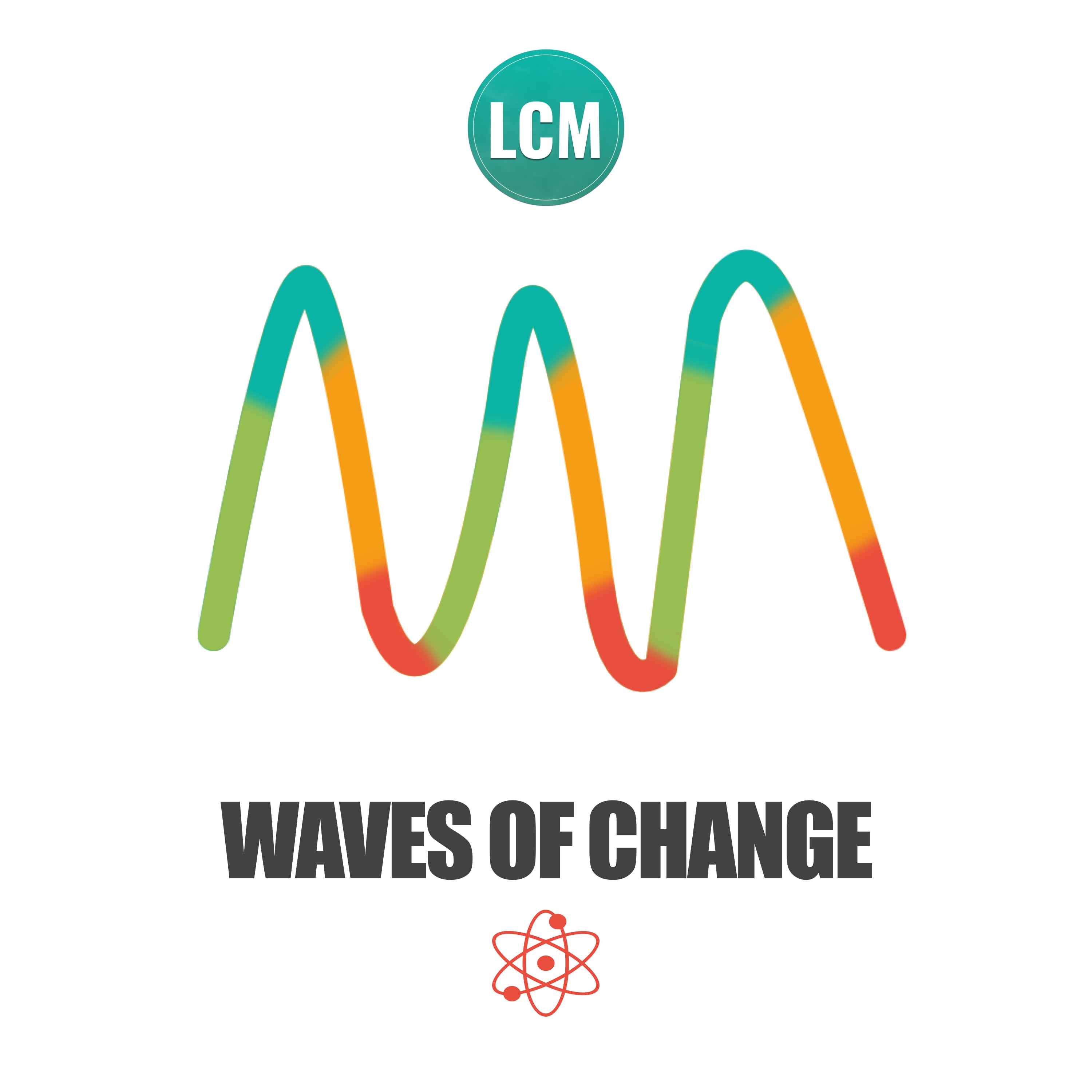
Waves of Change
Change doesn't follow a linear path. There are shifts in momentum, lulls, highs and lows. Align your activities around the natural…
Pirate Metrics
Pirate metrics focus on 5 dimensions that matter. Acquisition, Activation, Retention, Referral and Revenue.
Nudge Box
Habits are hard to form. Sometimes people want to participate in the change, but they forget. NUDGING works great here.
Exceptional 8
The Exceptional 8 are eight intangible attributes that distinguish exceptional change agents from those who simply follow framewor…
Open Space
Pull vs Push
Understanding People
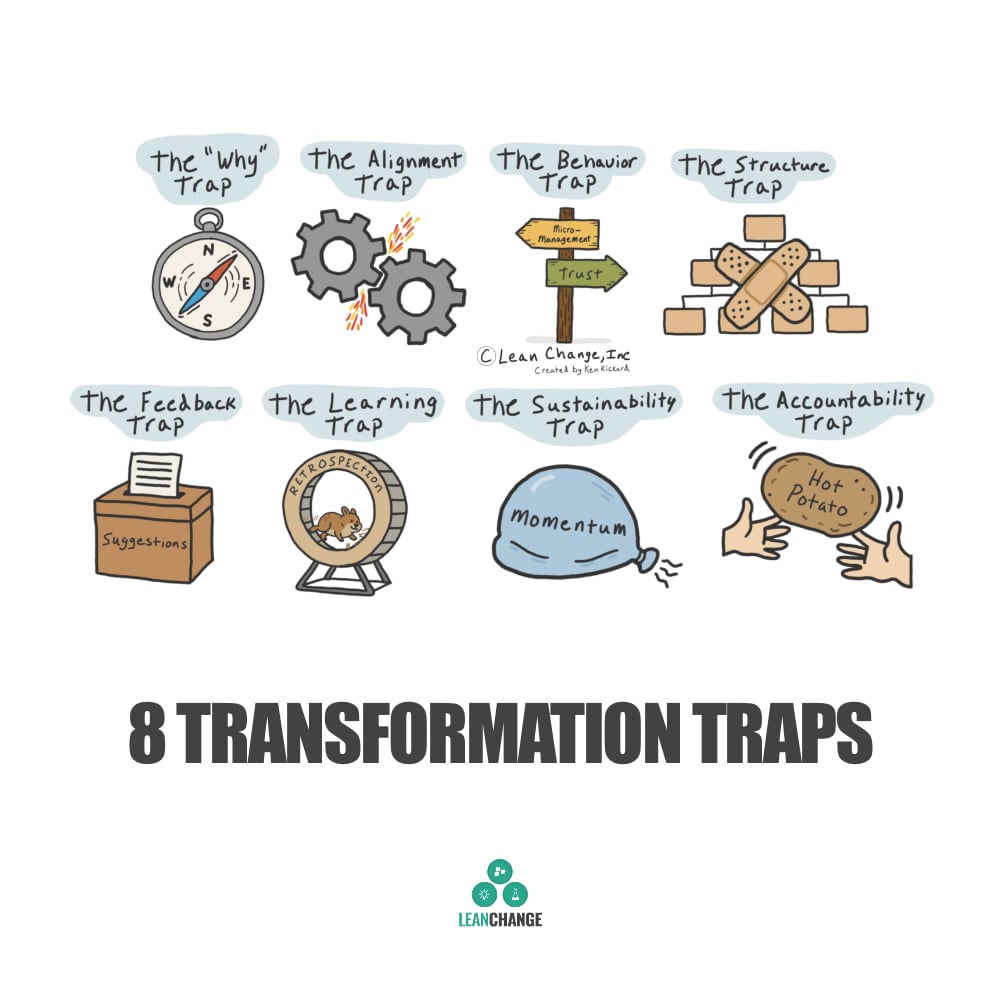
8 Traps of Transformation
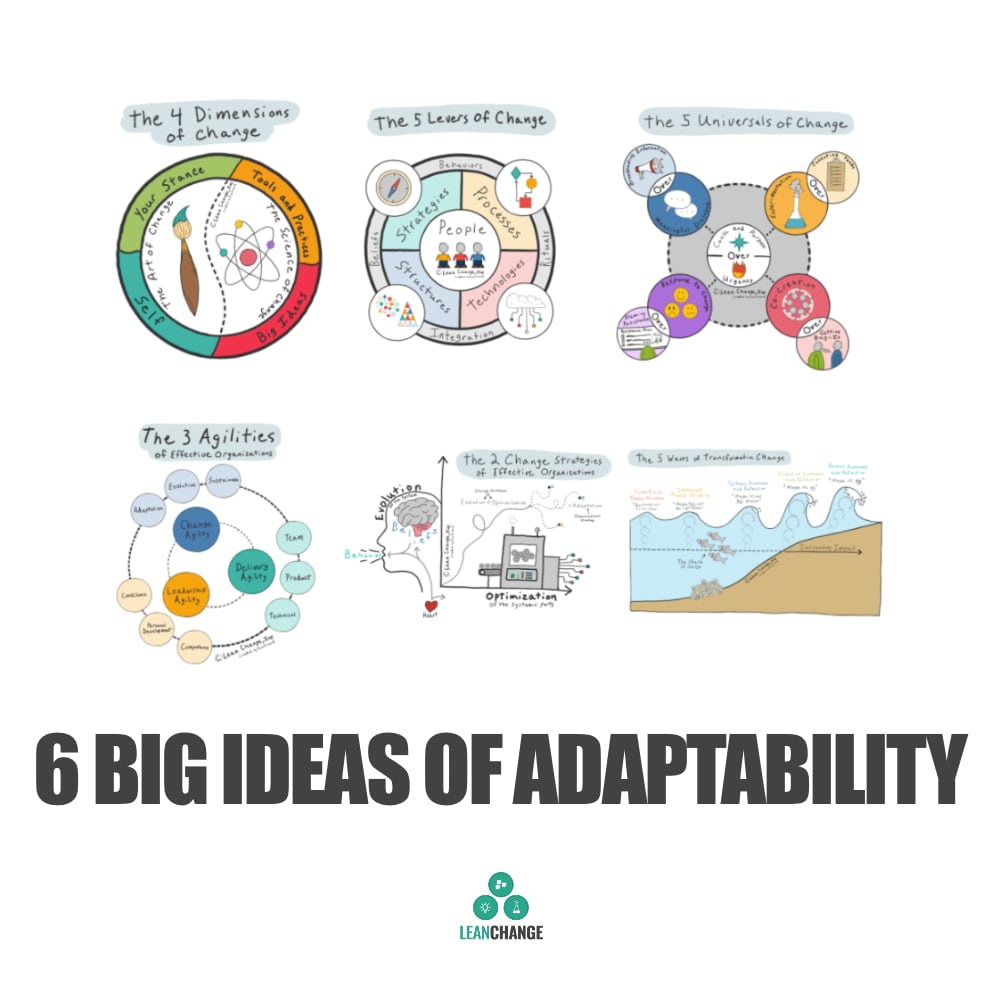
6 Big Ideas of Adaptive Organizations
Organizational Physics
Biases
In a Tweet
Attitude & Approach

Congruence
Project Management
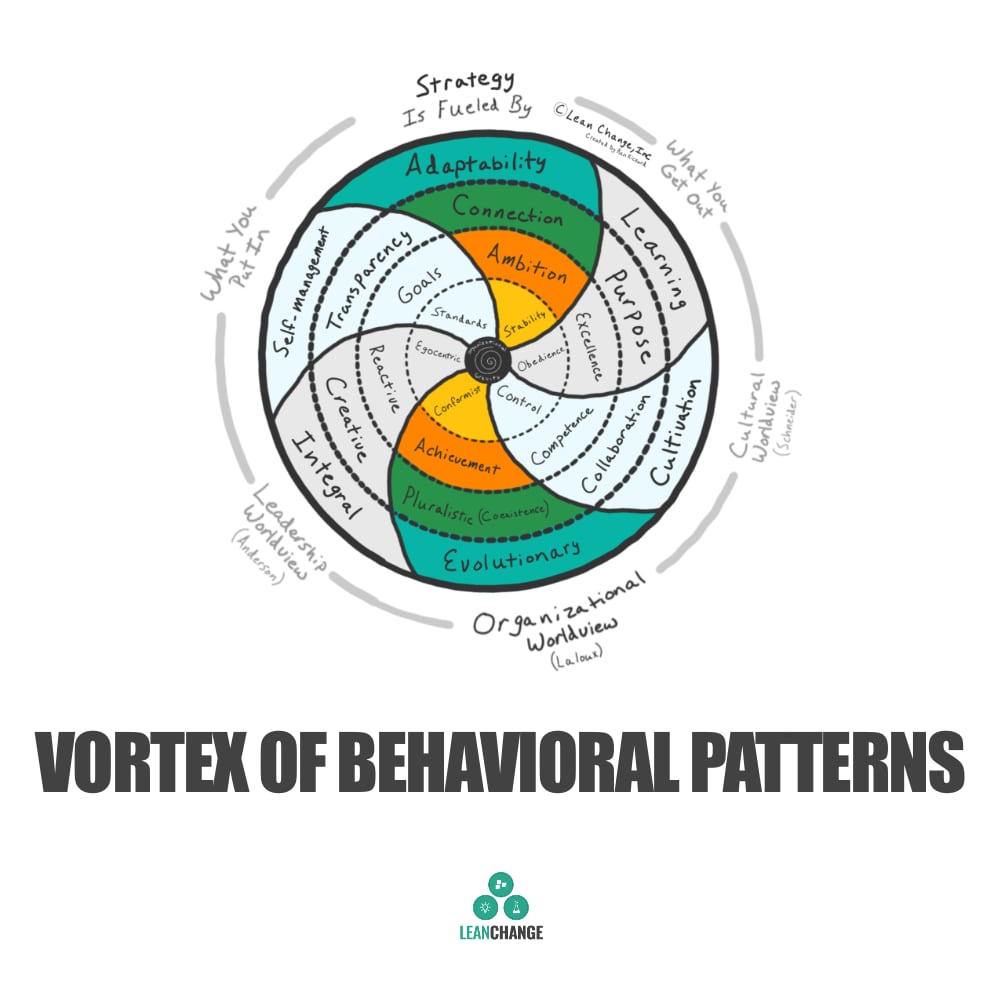
Vortex of Behavioral Patterns
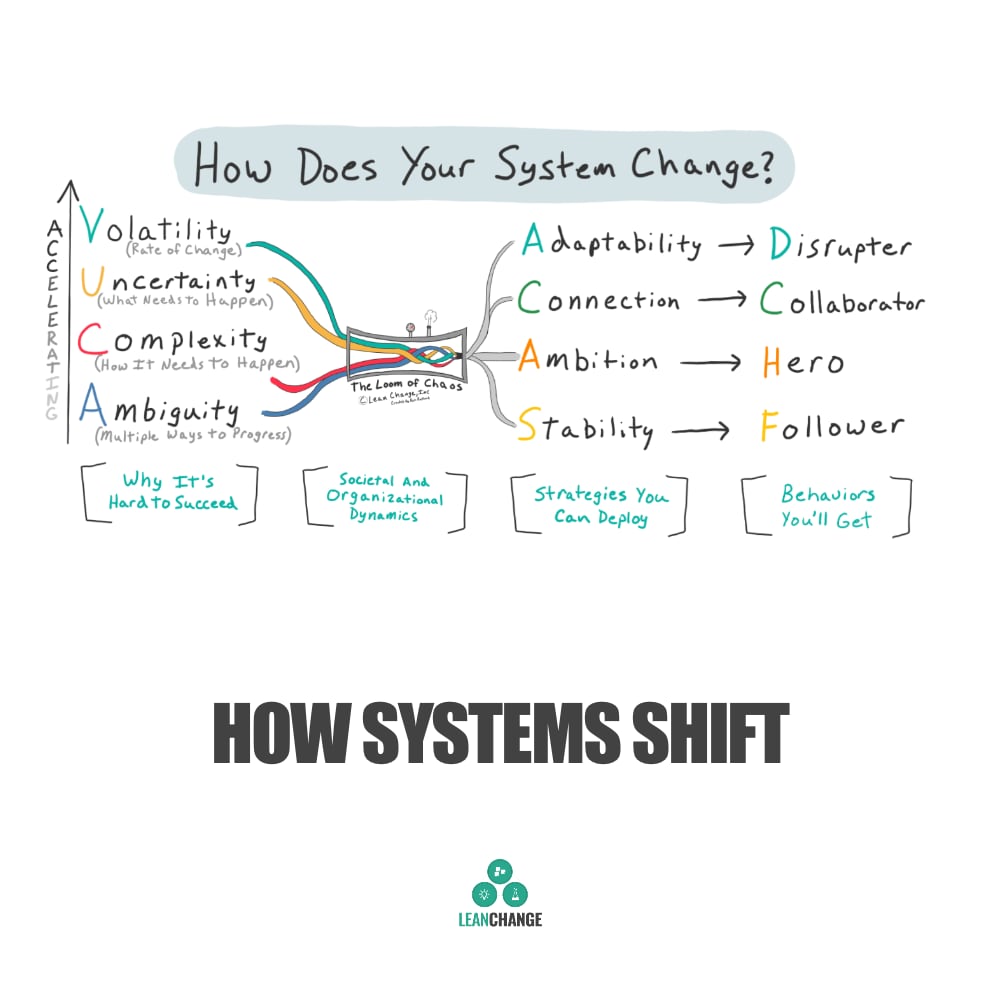
How Systems Shift
Disruption Attribute
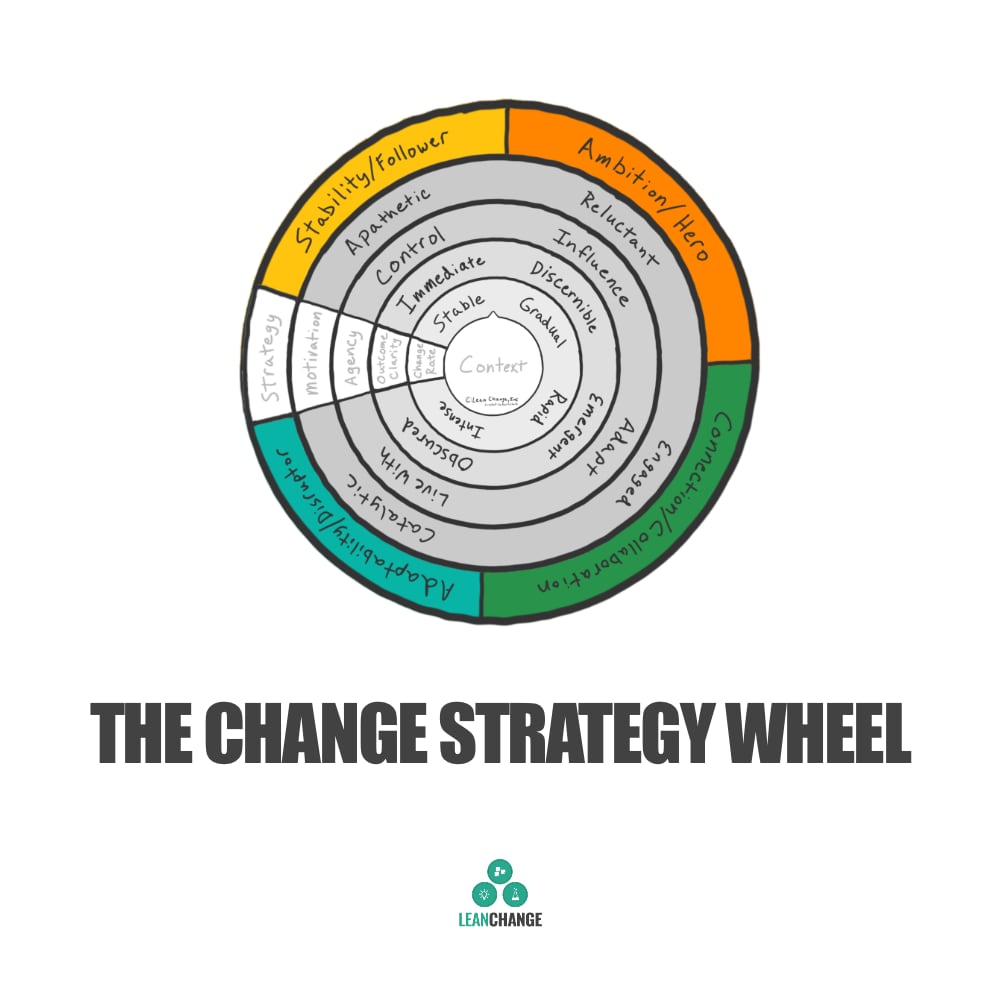
The Change Strategy Wheel
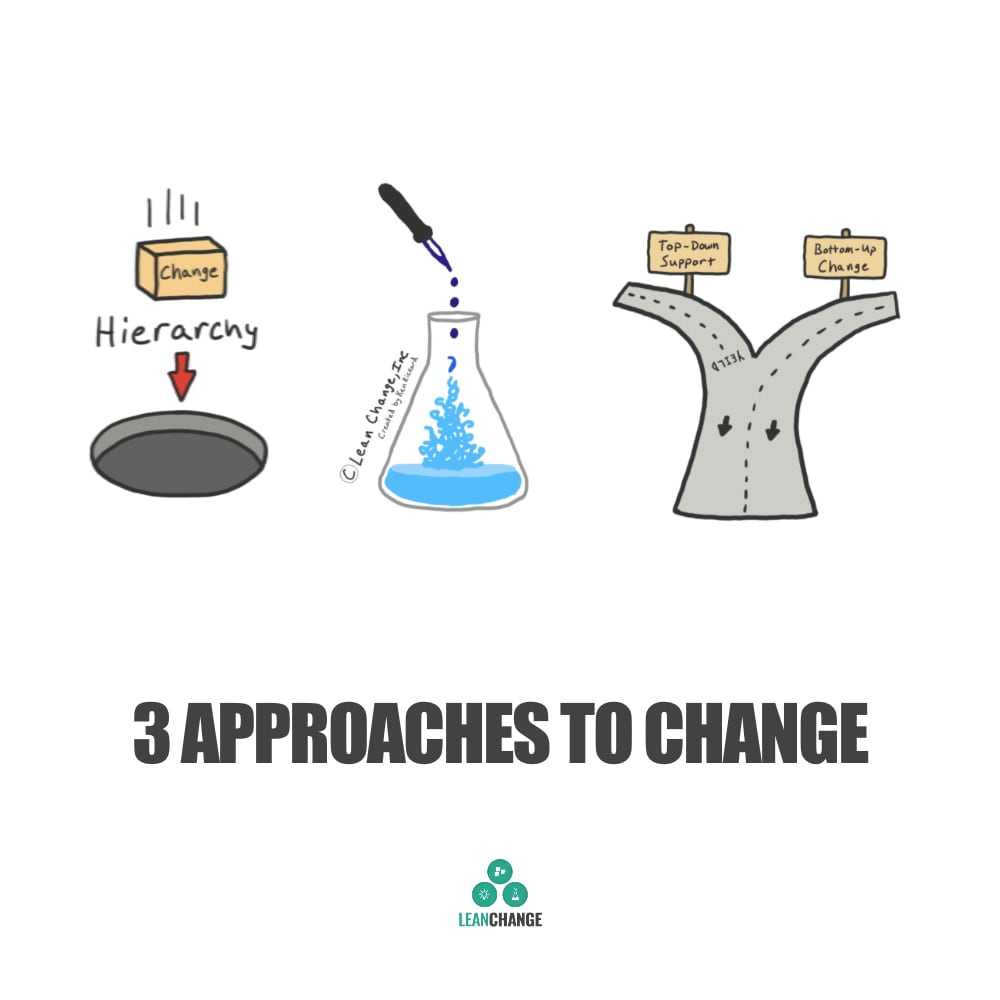
3 Approaches to Change
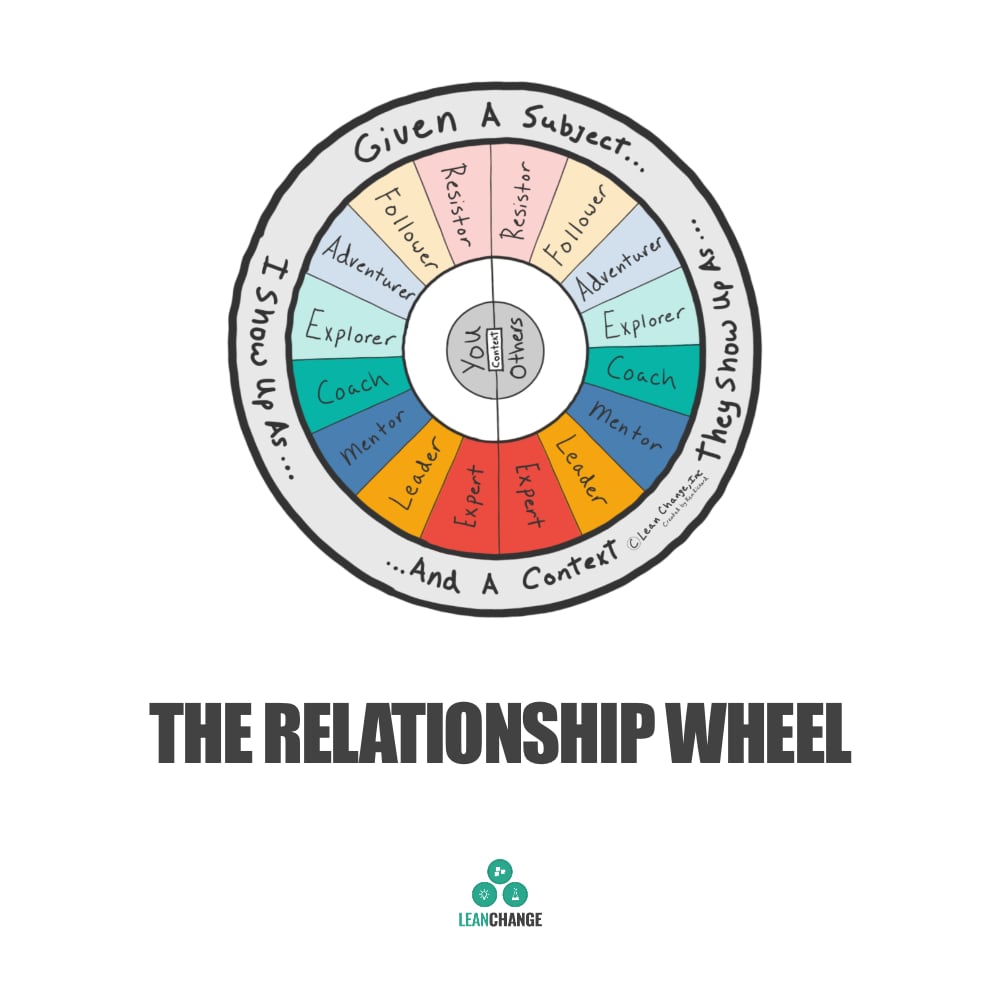
The Relationship Wheel
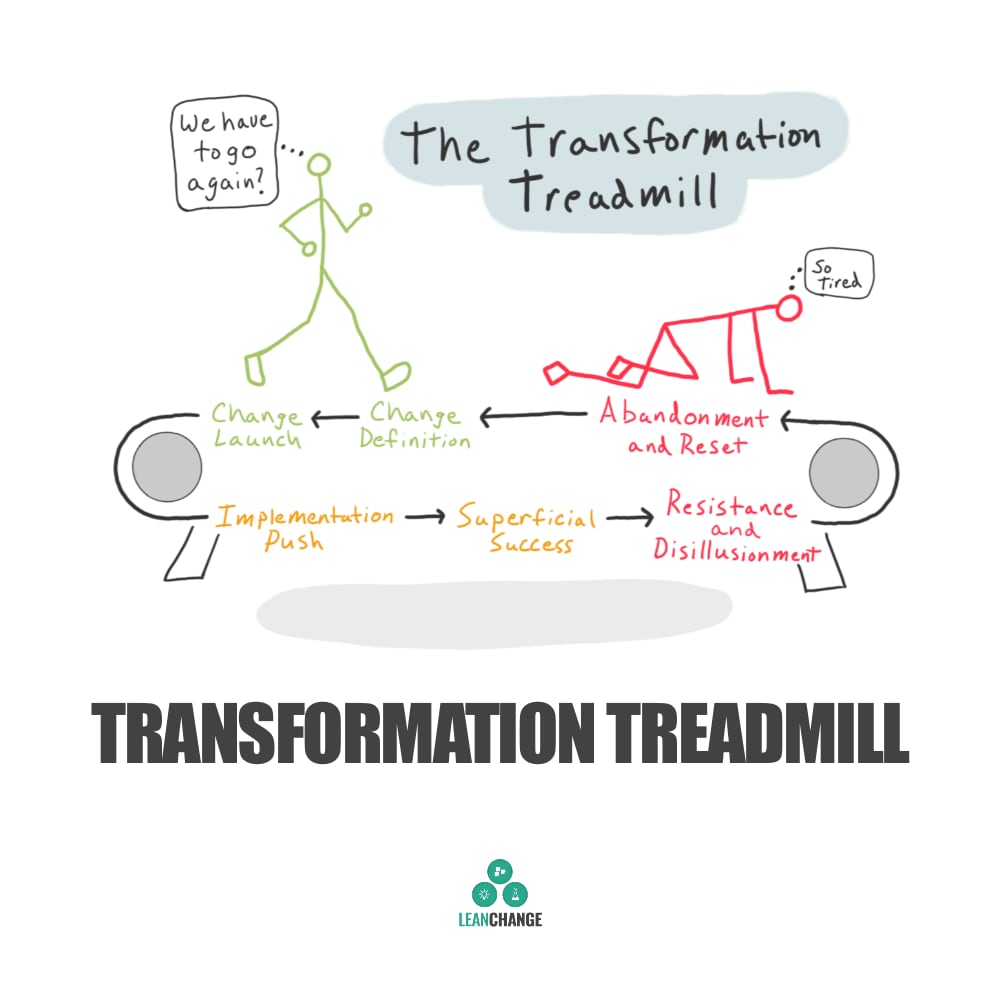
The Transformation Treadmill
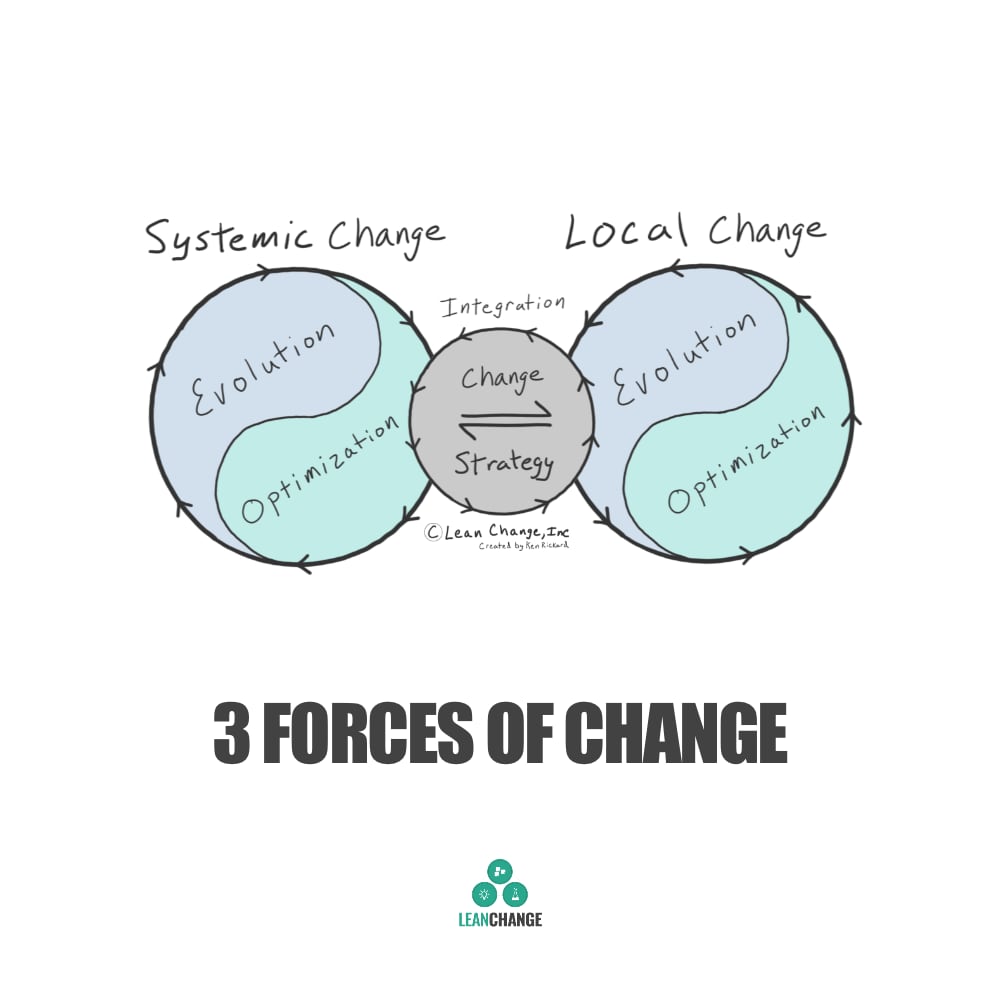
3 Forces of Change
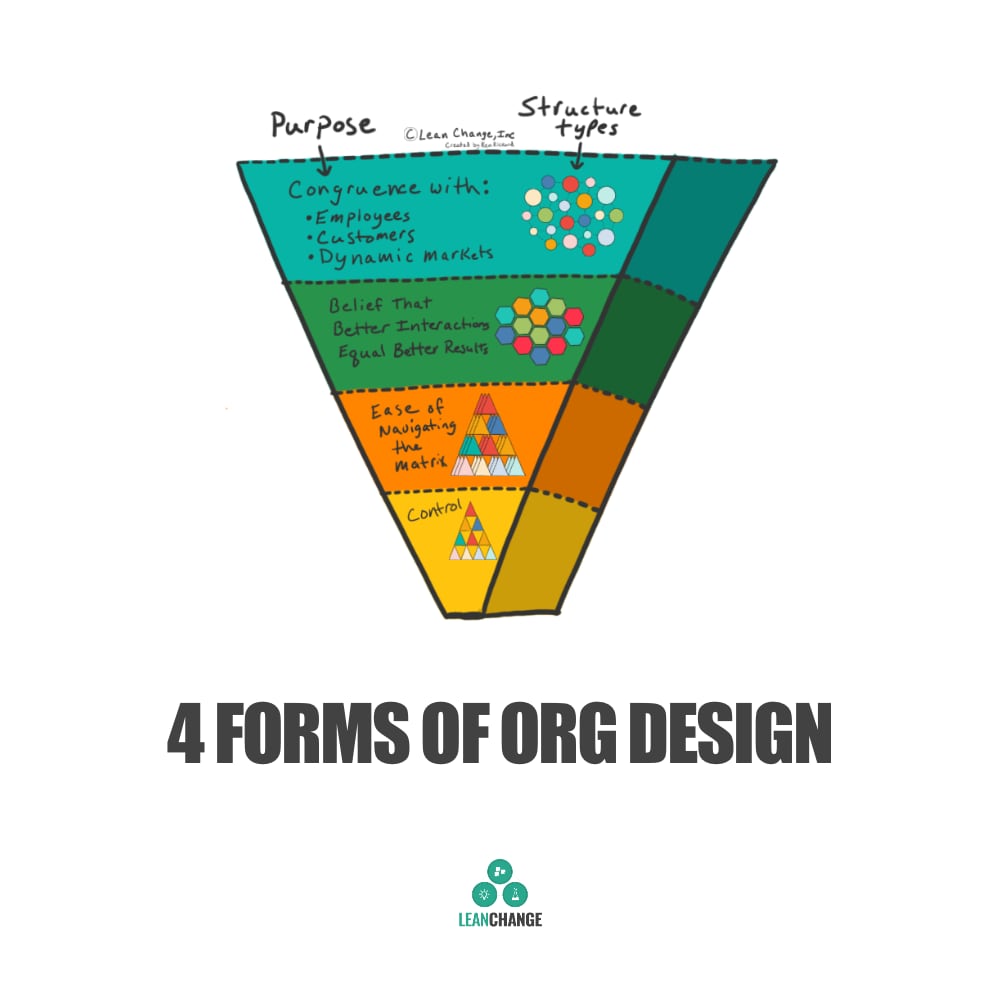
4 Forms of Organizational Design
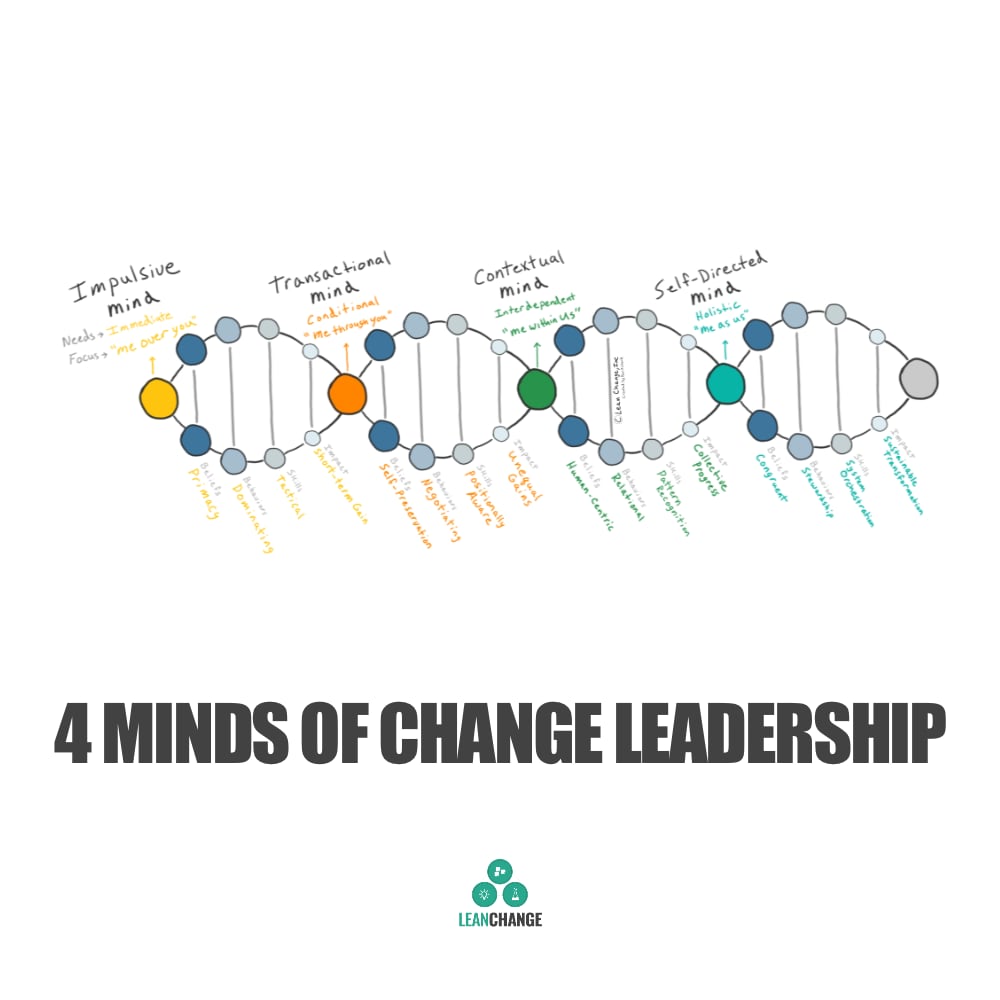
4 Minds of Change Leadership
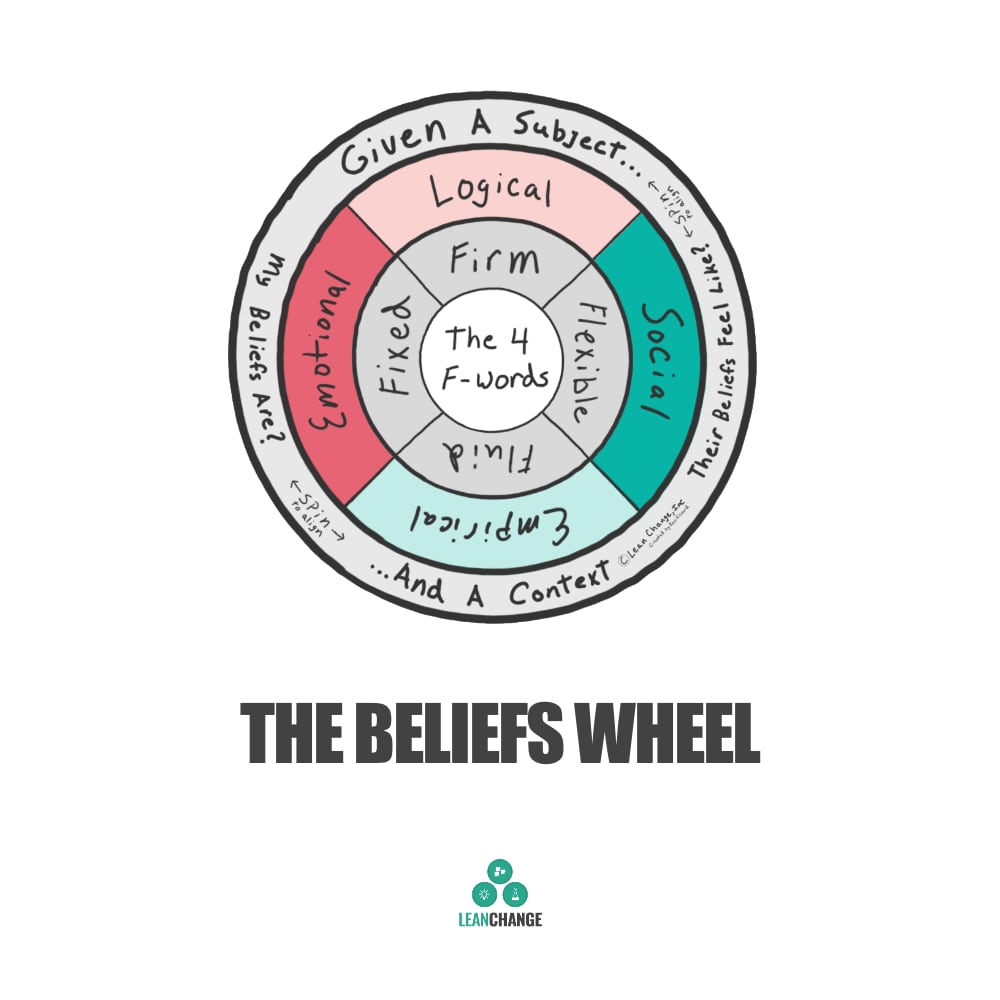
The Beliefs Wheel
Every element
The full index
All 94 elements, grouped by dimension. Each core element lists the child elements that expand it.
Self
ArtStance
ArtBig Ideas
ArtBig Ideas
Science- 3 Approaches to Change — Diffusion, Hole in the Floor
- 3 Forces of Change
- 4 Forms of Organizational Design
- 8 Traps of Transformation
- BIG/NEXT/NOW — BIG View, NEXT view, NOW view
- Explore - Act — 3P's Model
- How Systems Shift
- Movers, Moveables, Immovables — Immovables, Movables, Movers
- Organizational Physics — Disruption, Friction, Ride the Current, Ripples, Signal vs Noise
- Pull vs Push
- The Change Strategy Wheel
- The Transformation Treadmill
- Vortex of Behavioral Patterns
- Waves of Change — Bureaucratization, Coalescence, Decline, Emergence
Tools
Science- Big Visible Change Wall — Alignment
- Change Canvases — One Page Change Plan, Story Telling Canvas, Strategy Canvas, Team Change Canvas
- Change Personas
- Experiments — Flow, Iterative
- In a Tweet
- Lean Change Engine — Culture Hacking, Culture Mapping, Hot Seat, Insights, Movie Poster, Options, Pocket Principles, Product Box, Ritual Inventory, The Newlywed Game
- Lean Coffee
- Nudge Box
- Open Space
- Perspective Map
- Pirate Metrics
- Project Management
From elements to compounds
Elements are the raw material. The OS is where you combine them.
On their own, elements are just building blocks. The Lean Change OS is where you assemble them into a compound that fits your people, your context, and the change you're actually trying to make.