Alignment
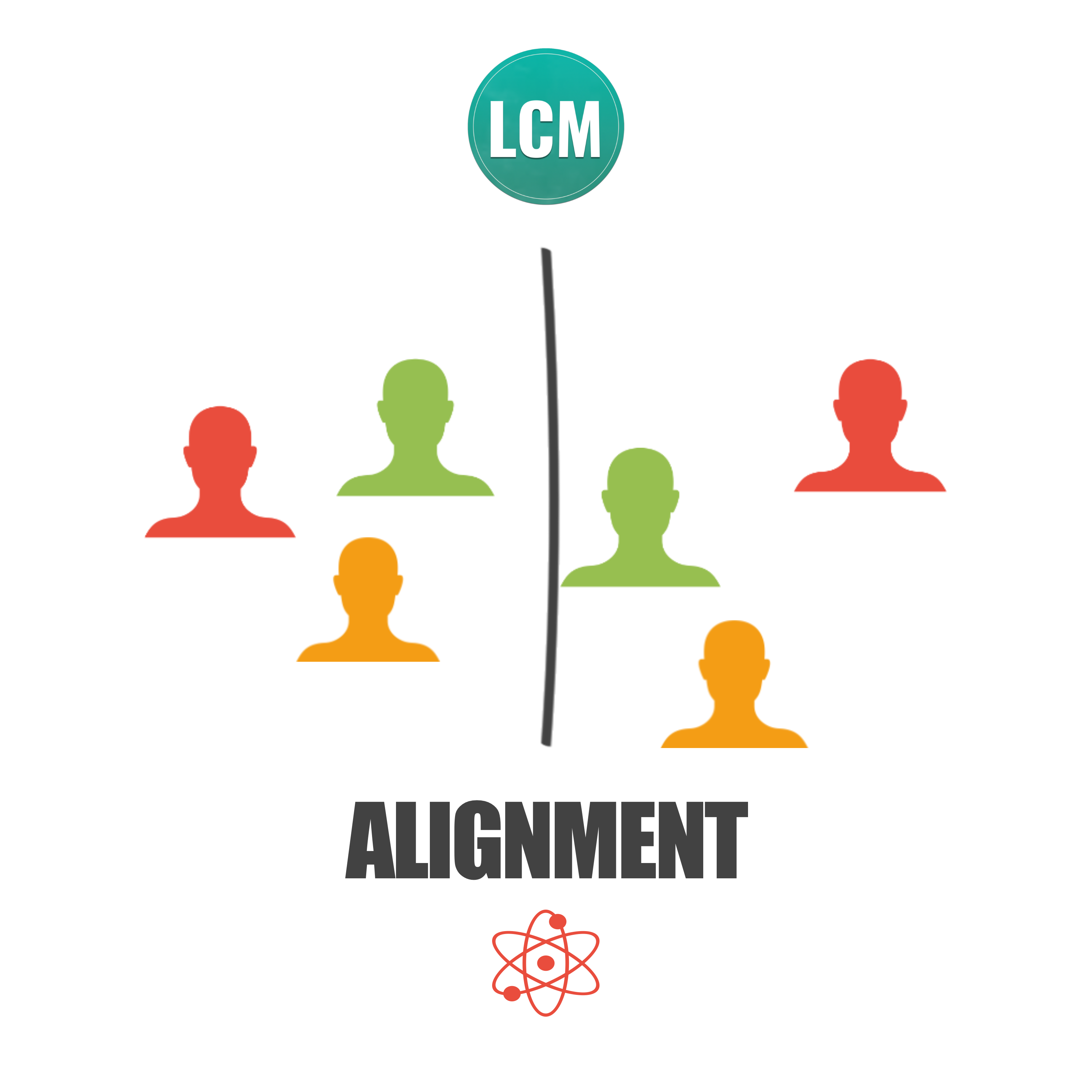
Alignment is a continuous activity and helps coalesce people around a common purpose. Mis-alignment can cause chaos and confusion.
Alignment vs traditional thinking
Two different assumptions about how change should work.
Lean Change
Alignment is a continuous action. We recognize everyone processes change at different rates and intensities. Alignment is continually built over time by collecting insights as we are changing.
Traditional Change Management
Alignment is a phase that happens at the beginning of the change. You do a change readiness assessment, make people aware of the change, then create desire and then execute.
Theory This is a core element of the Lean Change Management Ecosystem. Traditional change management sees 'alignment' as a phase that happens at the start of the change project.We see it as a continual activity.It's unreasonable to expect everyone to align to the change in the same way, at the same time. As our change...
Members see the deeper working notes
Sign in to read the full detailed content, relationship notes, and the richer context around how this element is applied.
Connections to the broader Lean Change ecosystem.
Sign in to see curated resources, tools, and deeper ecosystem connections for this element.
Join / sign in →