Waves of Change
Change doesn't follow a linear path. There are shifts in momentum, lulls, highs and lows. Align your activities around the natural pace of change.
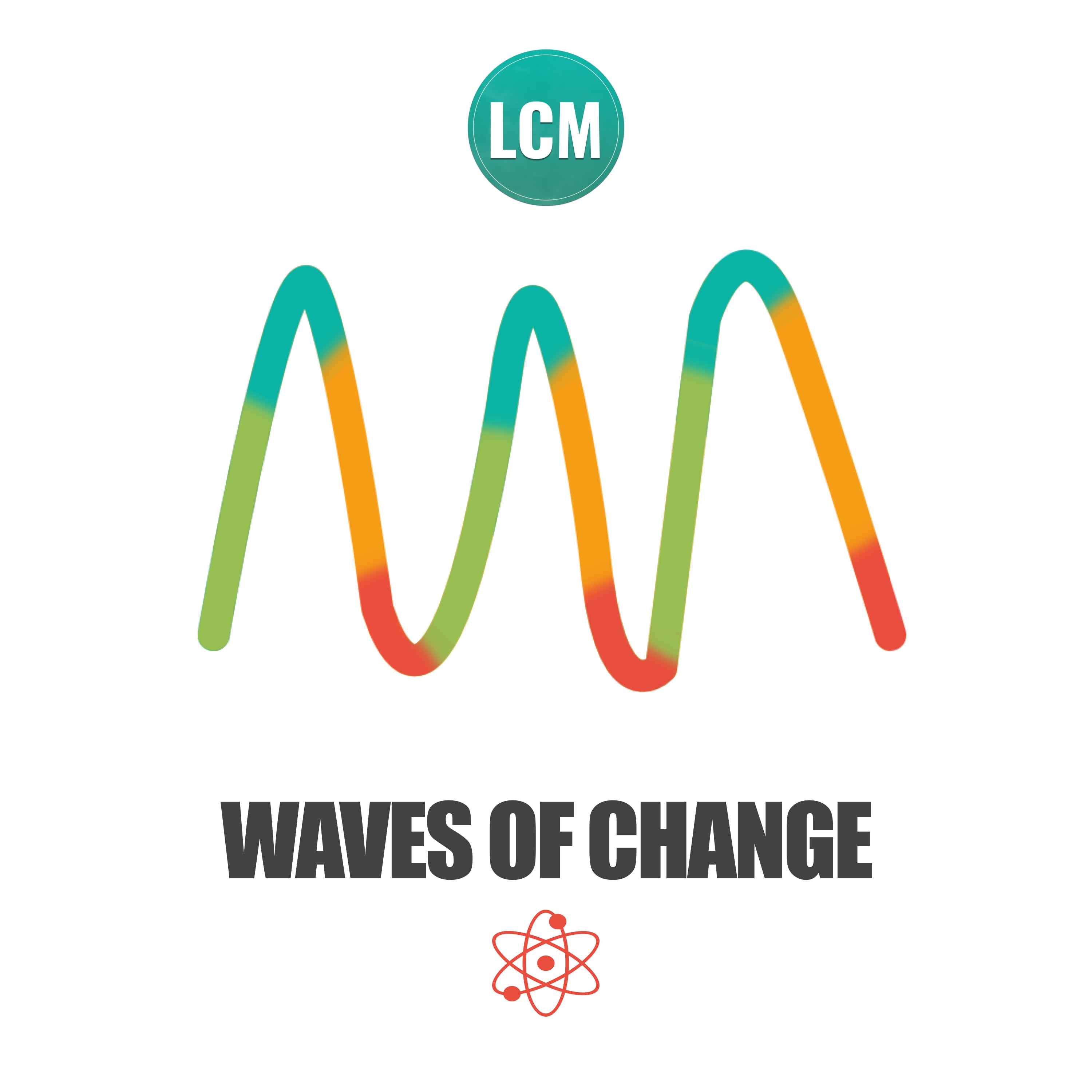
Waves of Change vs traditional thinking
Two different assumptions about how change should work.
Lean Change
Organizational change follows the laws of social change. There are highs and lows that align with the organizations natural pace of change. Change is a fluid process.
Traditional Change Management
Organizational change happens in phases. We analyze the current state, transition, and arrive at the future state. Change is a journey with a start and end point.
The Theory We associate how change happens based on our perception of time. Time is linear, change is not. The Sub-Elements of the Waves of Change are based on Herbert Blumer's stages of social change. This is one of many types of social movement theory. Here's a brief description of each stage. Emergence Early on, cha...
Members see the deeper working notes
Sign in to read the full detailed content, relationship notes, and the richer context around how this element is applied.
Child Developments
Related child elements that expand this building block.
BUREAUCRATIZATION happens when a change is institutionalized using the old organizational values, instead of the new espoused values.
As the change EMERGES, a point is reached when the chaos is too painful and the desire for structure takes the change into the next wave.
DECLINE can mean the change worked, didn't work, or worked but we didn't realize it. A LULL sets in and a strong intervention restarts the change.
As change EMERGES, uncertainty is at its highest level. MOVERS generate social proof, but too many contstraints can stall the change.
Connections to the broader Lean Change ecosystem.
Sign in to see curated resources, tools, and deeper ecosystem connections for this element.
Join / sign in →