
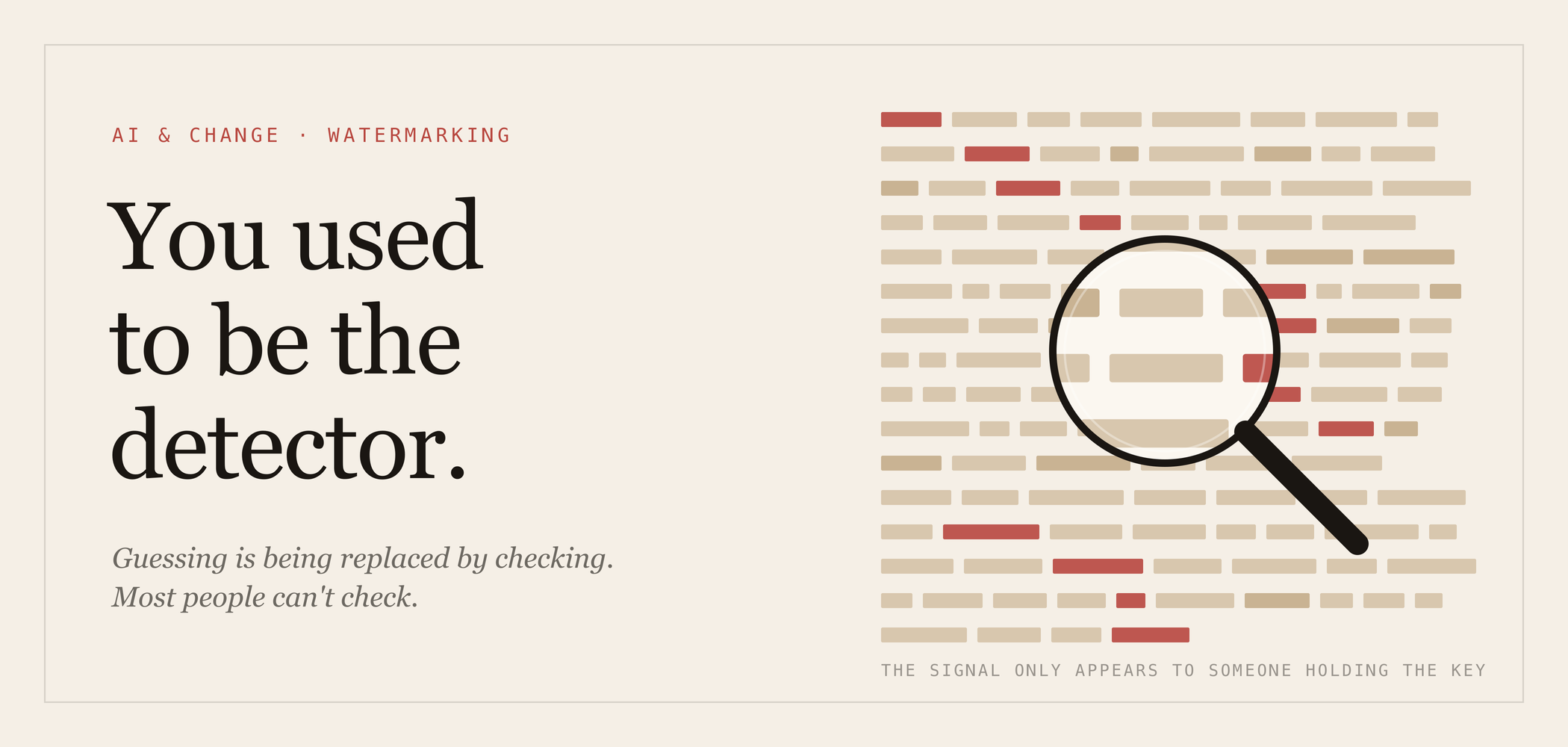
You Used to Be the Detector
AI watermarking, explained for change agents.
Sep 9, 2026 · 0 min
Jason began his career when Cold Fusion roamed the earth. Over the following years, he moved into management, Agile Coaching and consulting. The bumps and bruises collected along the way brought him to the realization that helping organizations adopt Agile practices was less about the practices, and all about change.
In 2008 he attended an experiential learning conference about how people experience change and since then, he's been writing, and speaking, all over the world about helping organizations discover more effective practices for managing organizational change.
AI watermarking, explained for change agents.
Lean Change stays Lean Change. After seventeen years, Jason Little is passing stewardship to Justin Balaski, IdeaLeap founder and long-time Lean Change facilitator. Nothing changes for you.
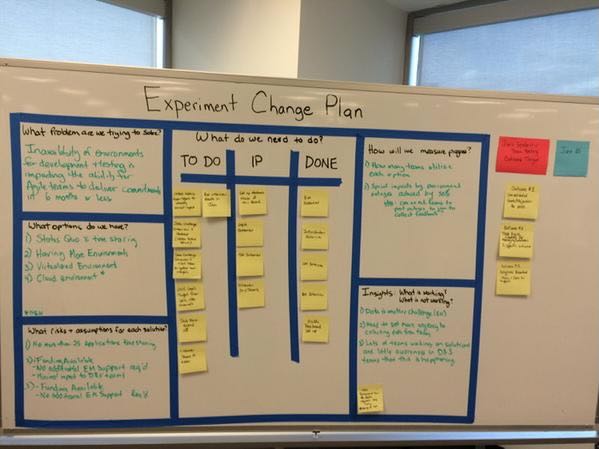
He understood the method. He filled the canvas in on his own anyway — and it cost the transformation its ownership. How to run your first change canvas session so the room builds it with you.
Prosci adapted ADKAR to work inside agile. Lean Change Management was built from agile principles. Here's why that distinction matters for change practitioners.
Prosci’s “Lean Change + ADKAR” article ranks well but conflates process Lean with Lean Change. This post sets the record straight: Lean Change is a feedback-driven, co-created way to evolve systems through small, testable experiments—not a linear adoption model. We show where their mapping misleads, when ADKAR can be a useful diagnostic (not the backbone), and how to run real experiments that beat change theatre.
Flattening your org chart? A 20-year study of 5,500 finance firms shows that shedding a management layer leaves you with a workforce that’s more conscientious, agreeable, and open—because autonomy-averse staff exit. Pilot-led, C-suite-backed shifts keep top talent; big-bang rollouts leak it. Remember: structure shapes retention.
Managing organizational change can feel impossible when silos and a rigid waterfall mindset dominate the culture. In this post, we tackle these challenges head-on, offering 5 proven strategies to help you foster collaboration, adaptability, and meaningful transformation at the operational level.
There is so much noise that agile is dead. Our panel featuring Jason Little, Chris Shinkle, John Tanner and Quinton Quartel disagree.
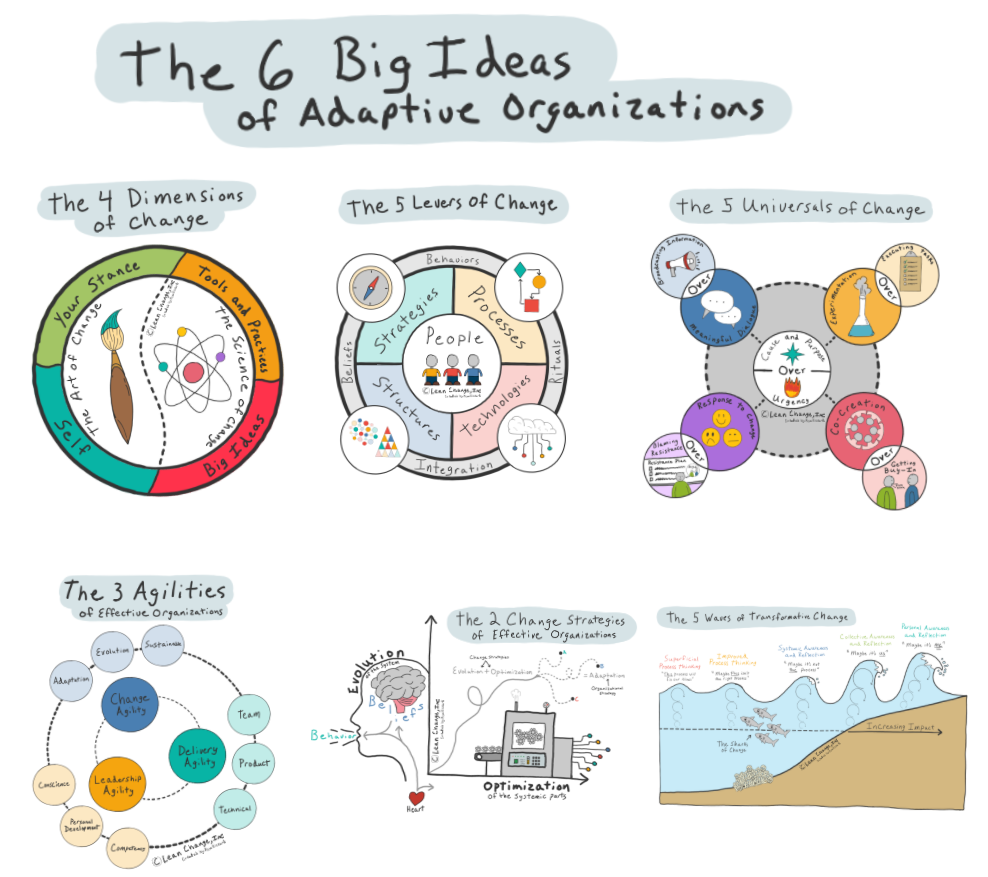
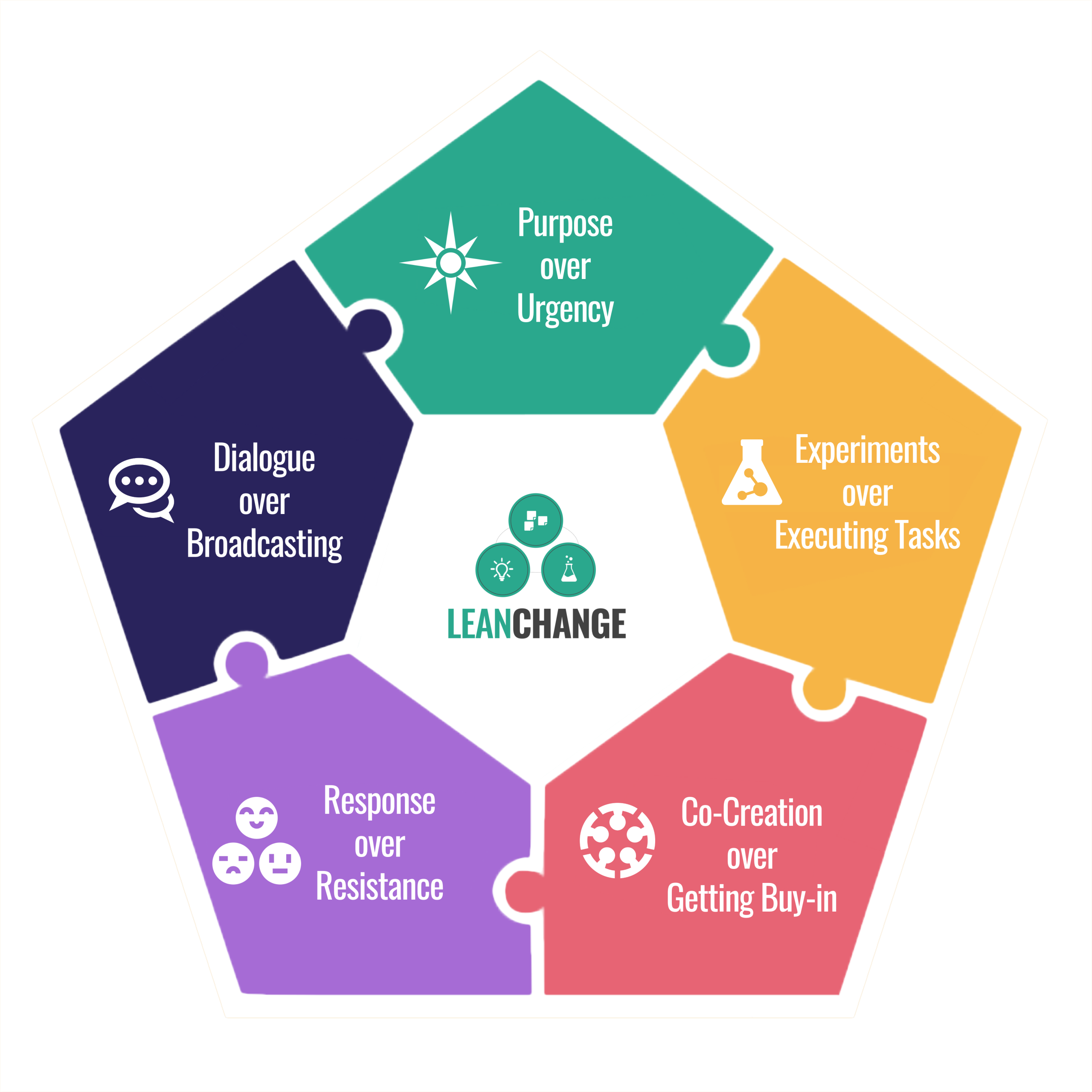
The Six Big Ideas of Adaptable Organizations help you help your organization make sense of where they're at and what they want to do.
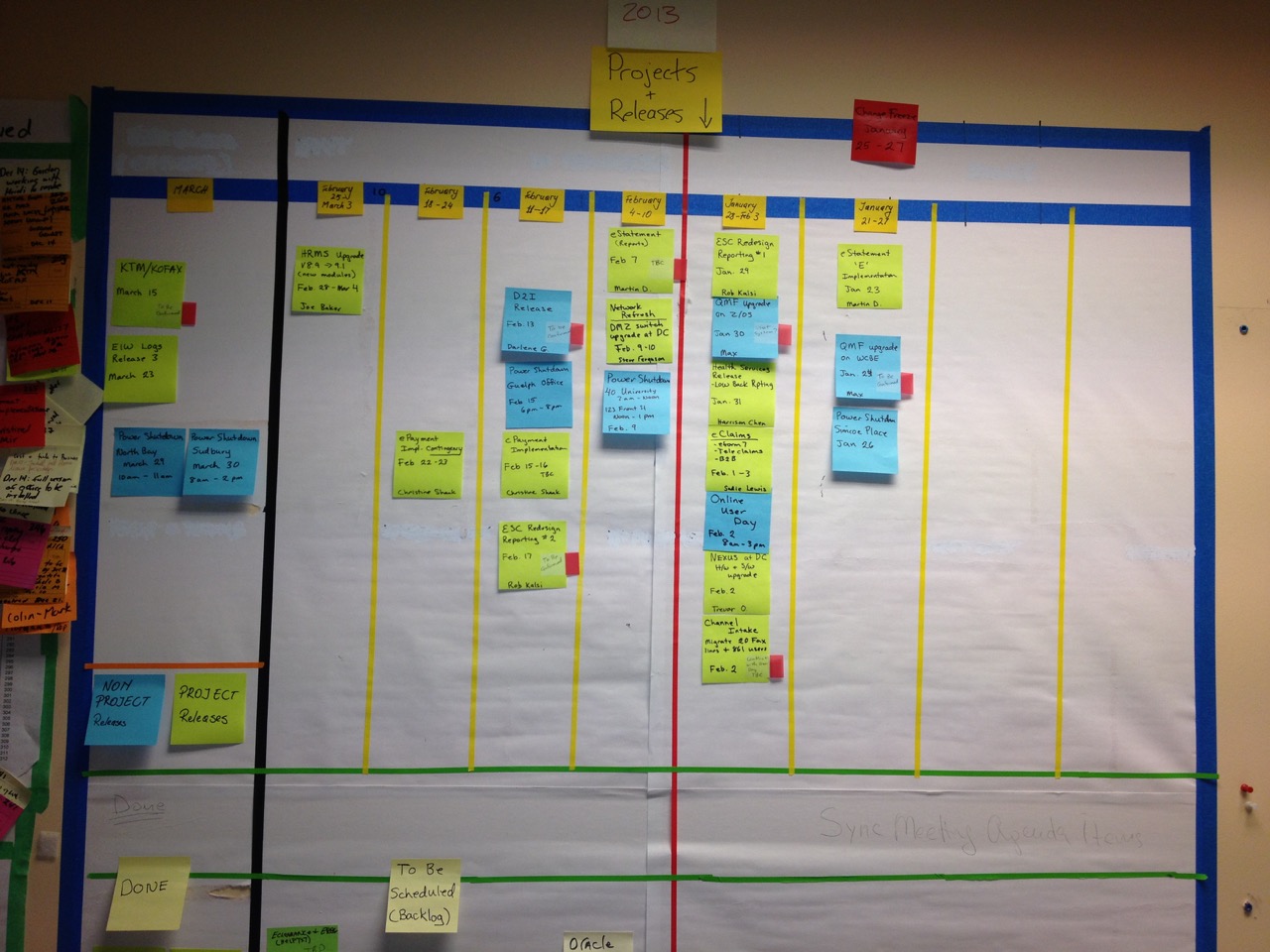
Change Canvas work because they make the invisible, visible. Visualizing your change through a change canvas or big visible wall is the best way to maintain a single-source-of-truth that helps everyone know what's going on with the change.
The biggest change management trend in 2023 will be the adoption of AI. Here's how ChatGPT can help enhance your change management capability.
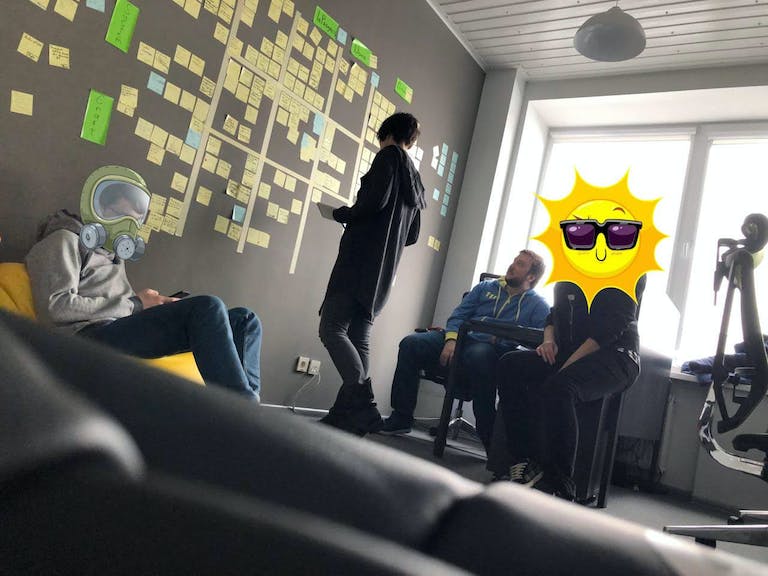
Dmitry joined a large game development company as a Development Director. He was tasked with helping to build a new studio for them in a new location. The team he had to work with had already been working in this organization for 9+ years. That meant structures, connections, rituals, ways of working were quite set. The team had been used to building PVP (Player vs Player) experience products for 9+ years.
Lean Coffee is an amazing tool for creating meaningful dialogue. Here are six awesome tips for super-charging your lean coffee session.
This is Sarika's story that earned her the Lean Change Management Storytelling credential!
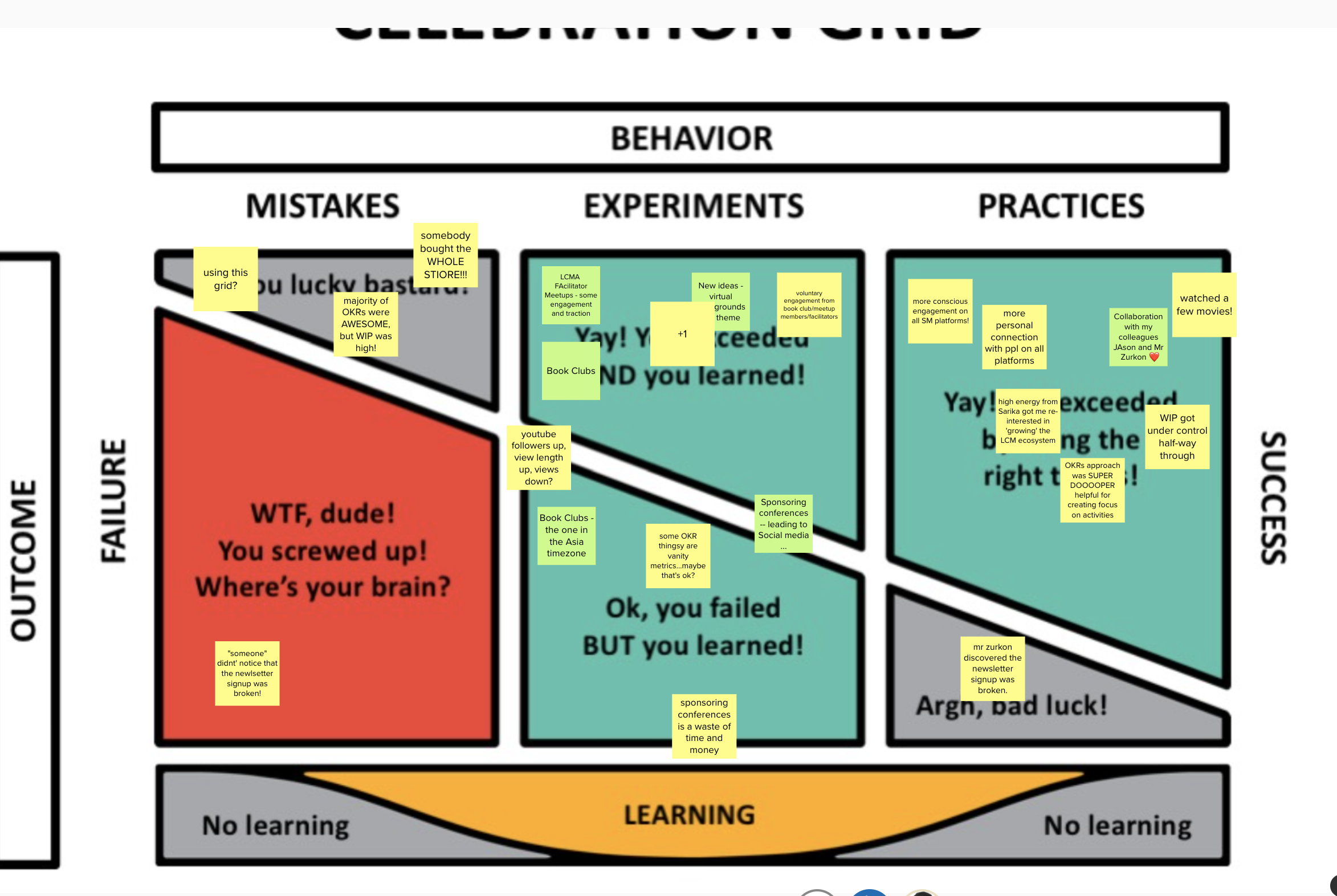
In Part II of a Look Inside LCM, we'll show you how we solved our collaboration challenges and how we run things day to day.
Fore score and twenty years ago, I had a change inflicted on me. And I didn't like it. Here's 6 ideas the 'change people' could have used to avoid my resistance.
In this interview, I talk with Ali Juma of The Inner Game of Change about Lean Change Management, how change management is changing and more.
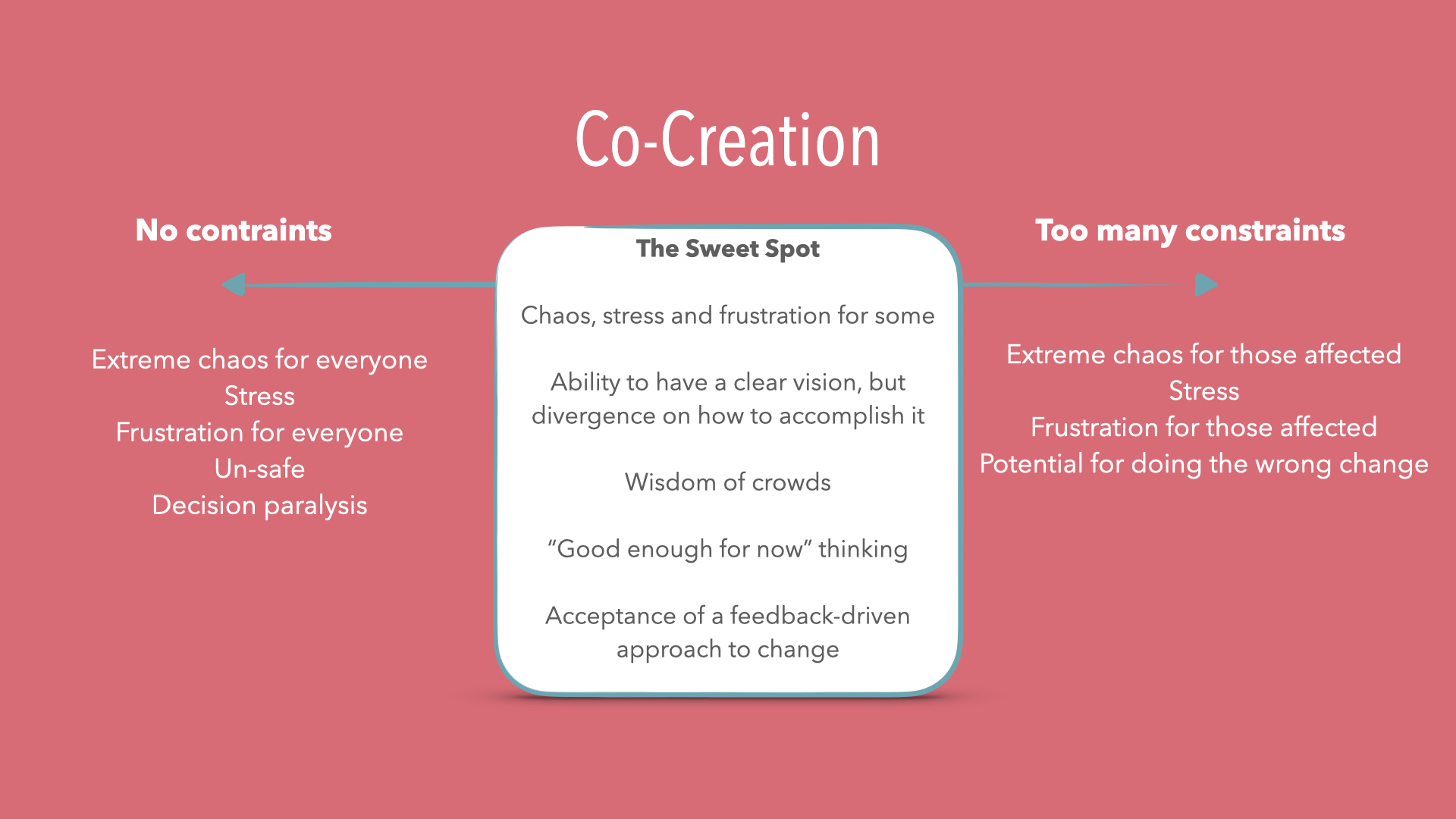
Certifications continue to appear weekly in all sorts of knowledge work. Since late 2018, we've been providing digital credentials and here's what we've learned, and what's next.
Agile says 'embrace uncertainty'. A better idea is figuring out how to reduce it.
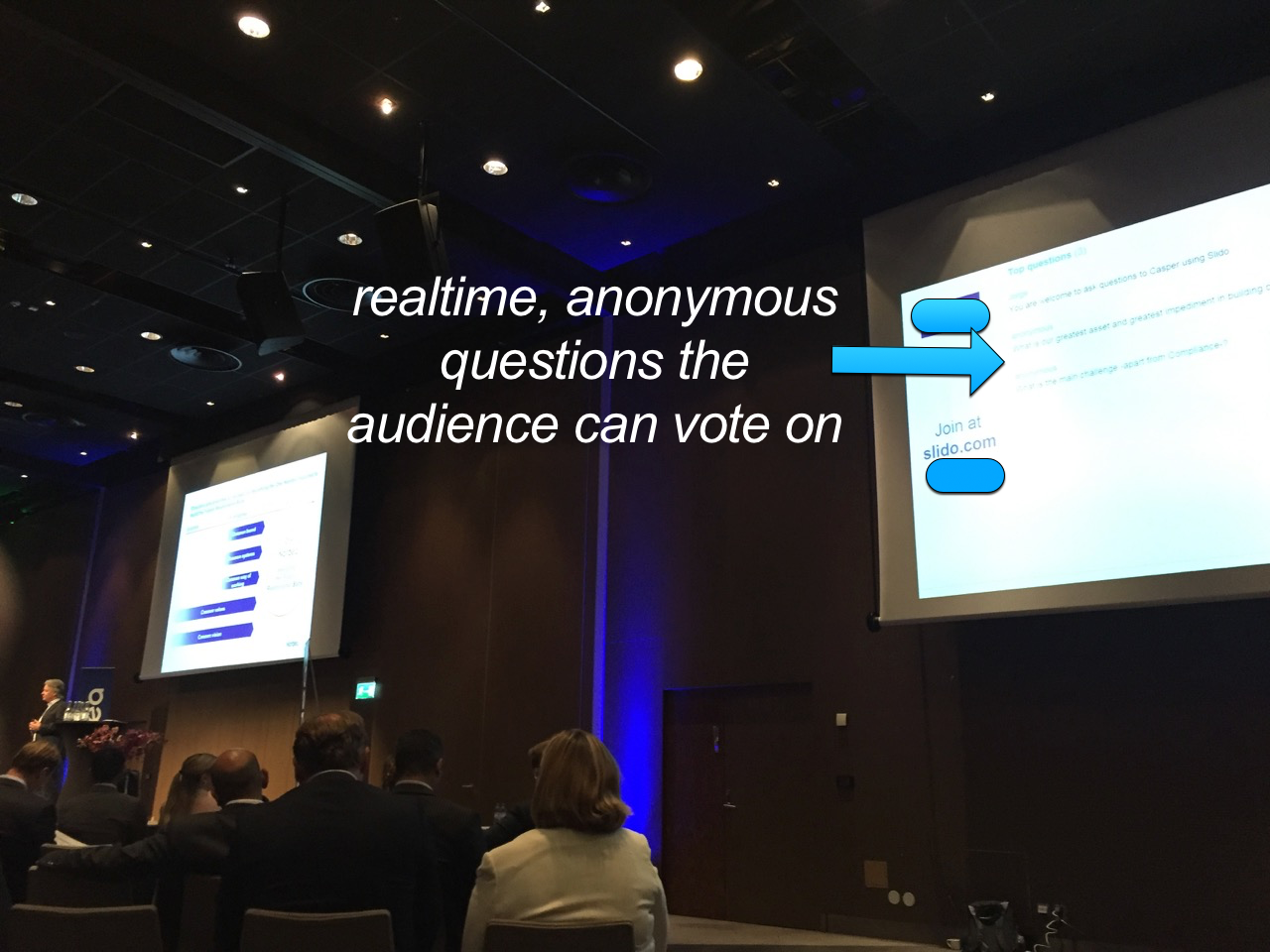
change communication is almost always training and newsletters…what would it take to shift towards modern practices that enable meaningful dialogue?
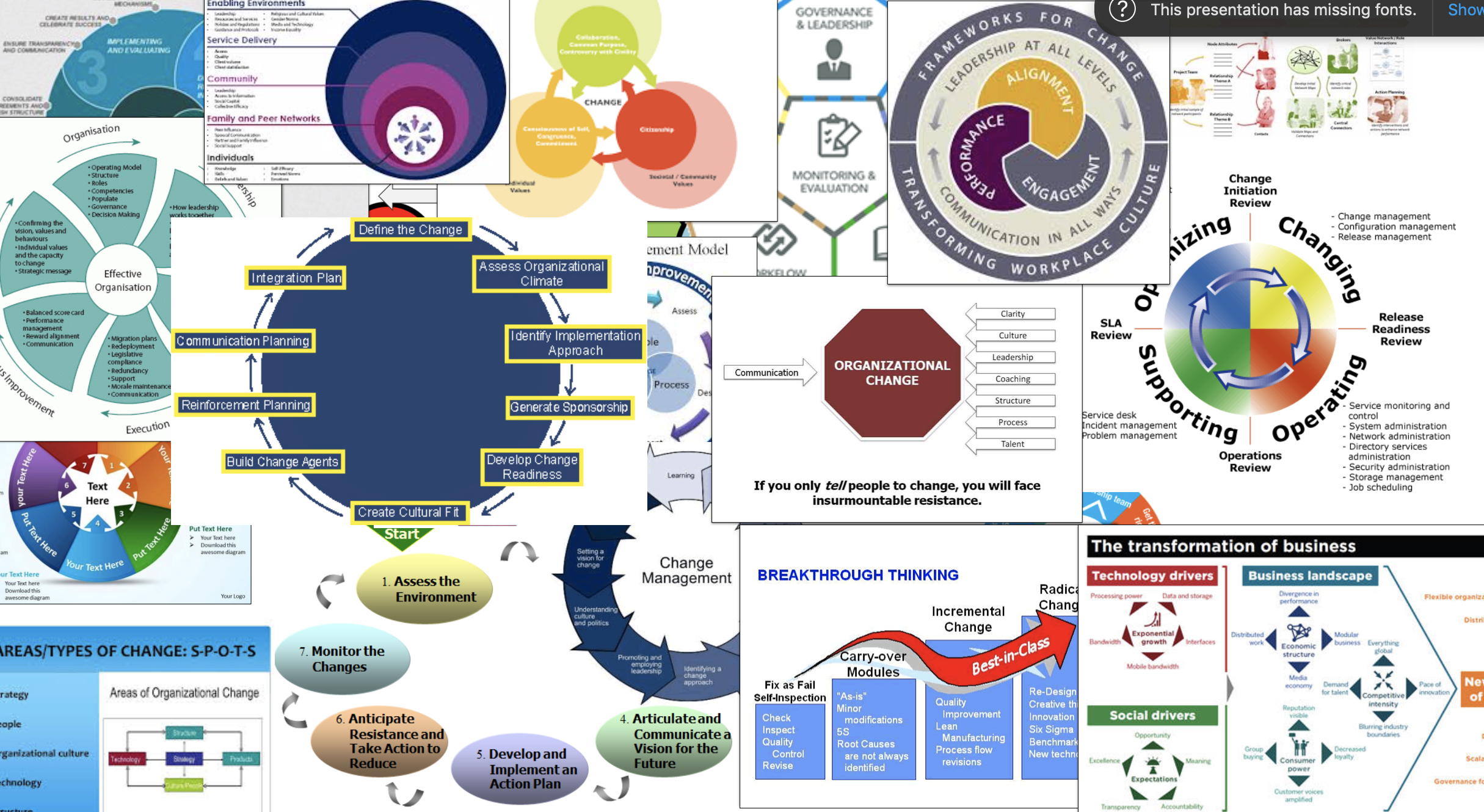
Leadership has existed since the dawn of humankind. History shows us great leaders adapt to their context so what does 'agile' really change about that?
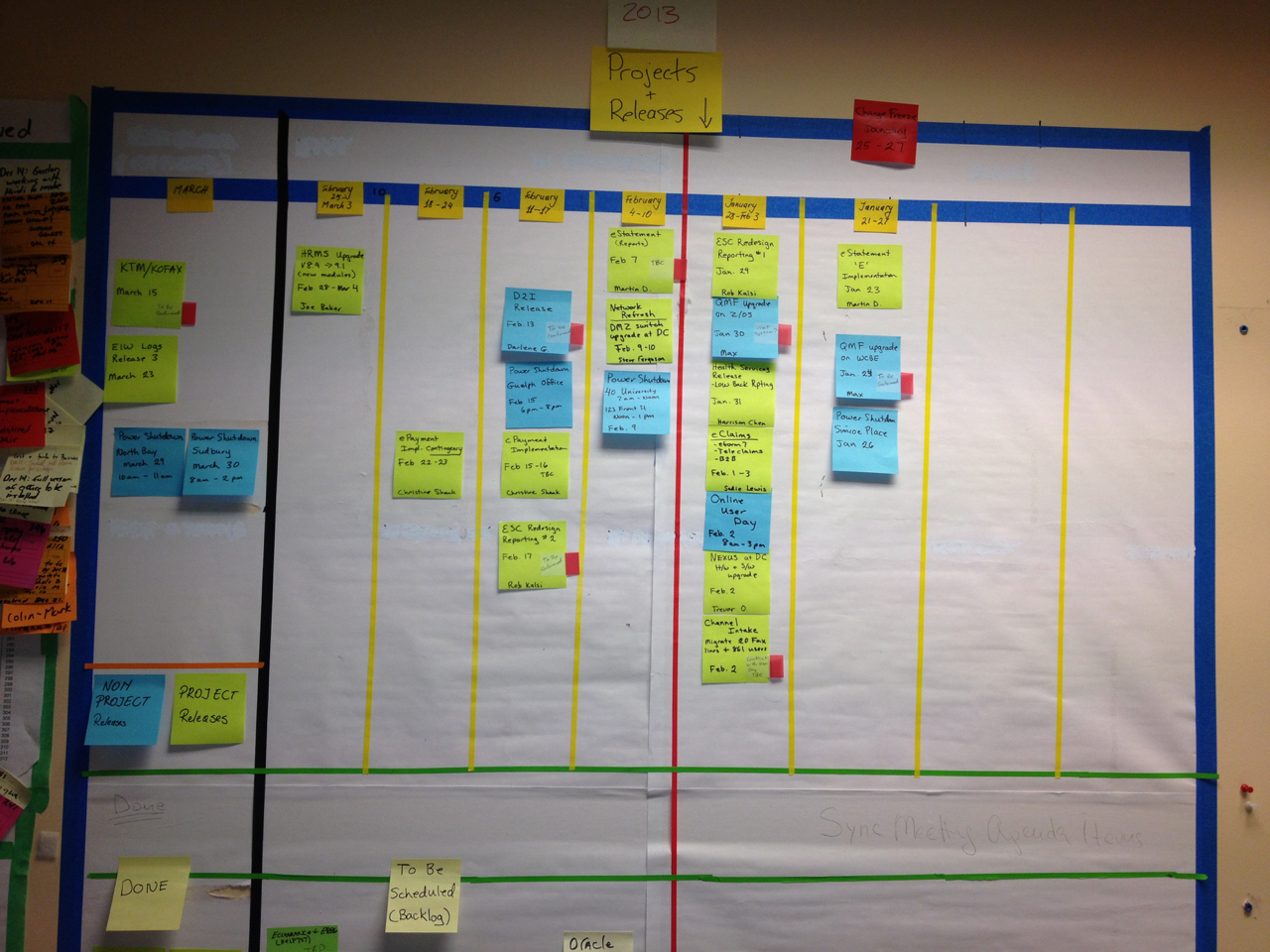
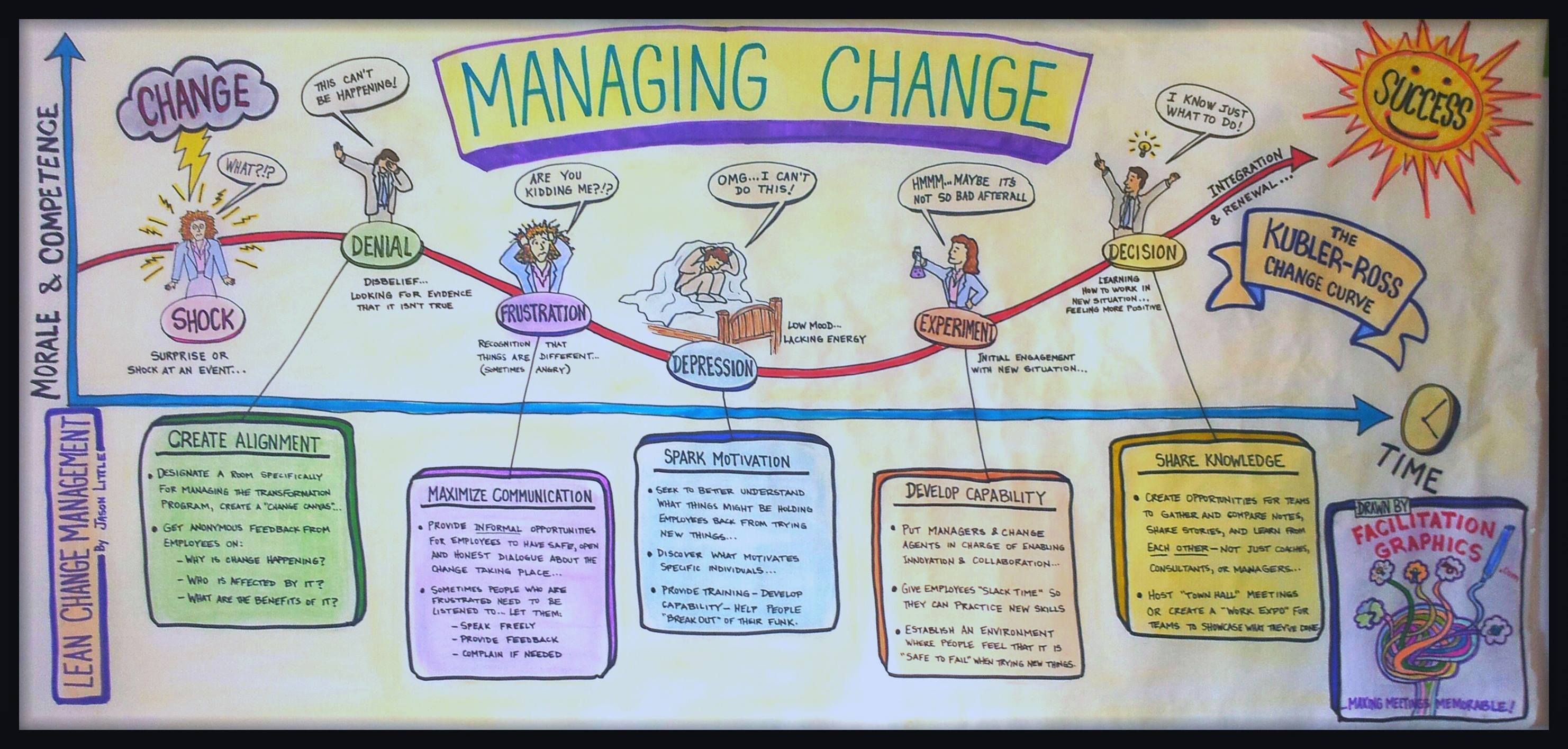
What changed about change management in 2018 and what's in store for 2019?
We underestimate the power of influence networks in our organizations. Here are 5 tips for finding influencers at the bottom of the org chart, along with a podcast I recorded with Tamara Kleinberg of Inside Launchstreet.

We didn't intentionally plan our way into a situation that warrants an agile transformation. We need to undo the damage through small, consistent interventions over time.
In October 2015 National Leasing started a big change. A year later they shared their progress on this blog. In this episode, I talk with them about what happened now that the change program has been completed.
We underestimate the importance of psychological safety, and meaningful conversations when it comes to running our organizations. In this episode, Jerry Koch-Gonzalez explains the 3 structures of sociocracy, why organizations are choosing it, how they're getting stuck, and what's getting them past those sticking points.
I was fortunate to be interviewed by Ro Gorrell and Charlotte Mawle for their upcoming Change Ignition podcast. In this episode we talk about simple solutions for integrating change management and agile teams, as well as how letting go as a change agent helps you keep your sanity, and helps people realize you're there to help, not to push change on them.
Change readiness assessments aren't a new idea...but there's an easier way to go about them!
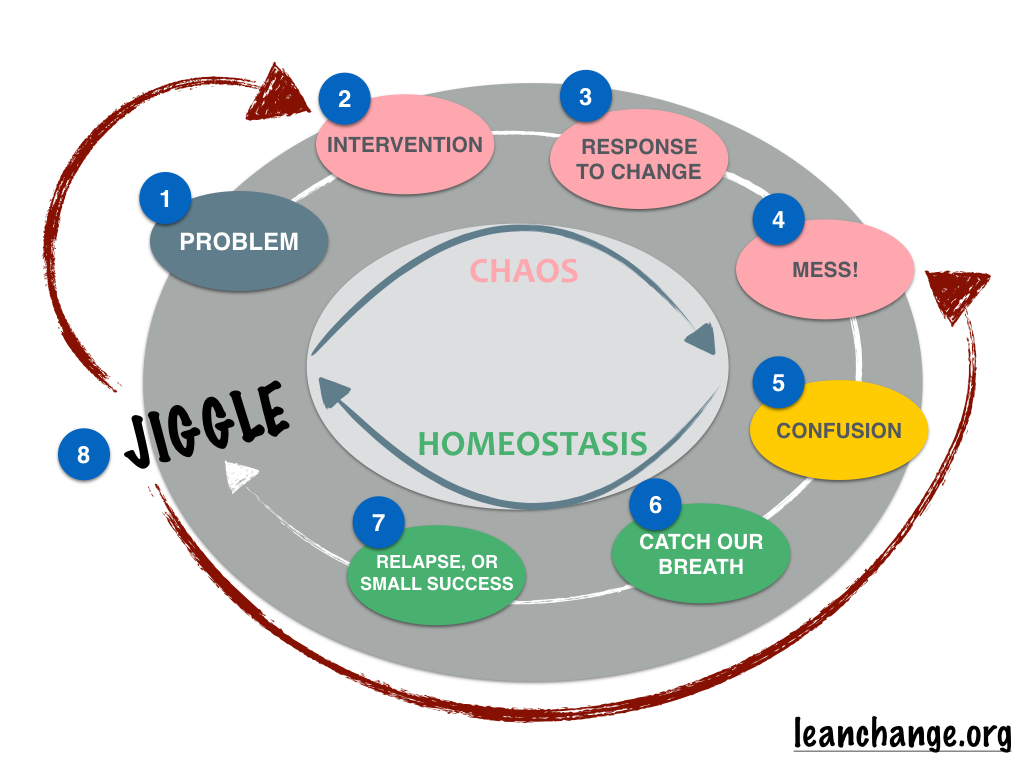
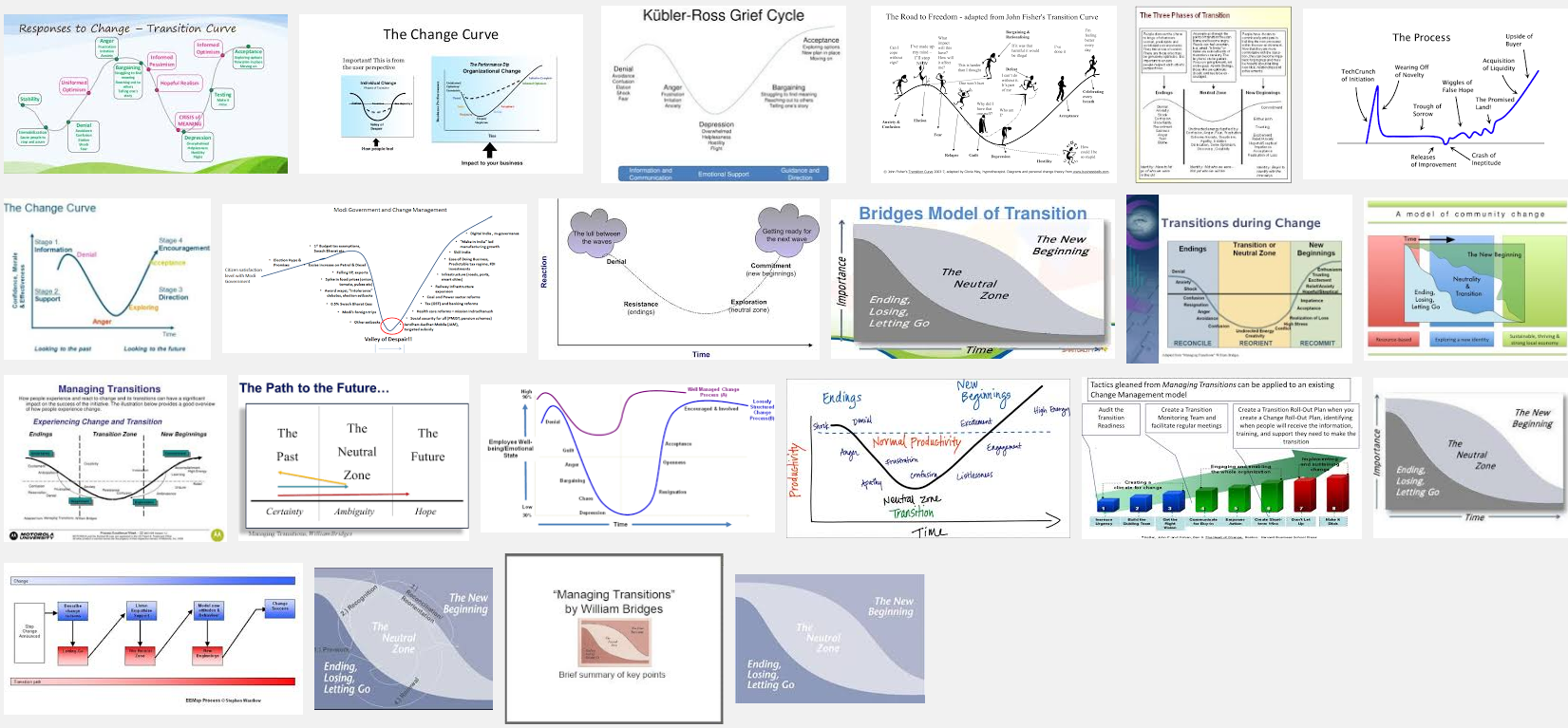
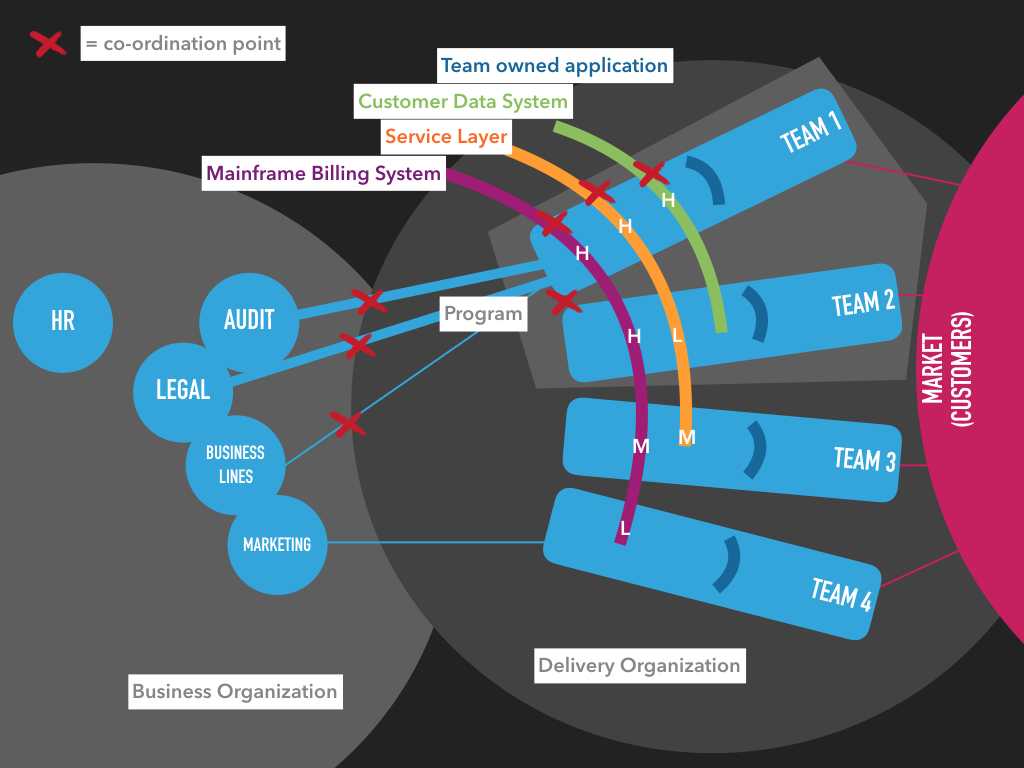
Change managers, OD people, and Agile Coaches all love our frameworks, tools and models. We like to "invent" things to help our clients make sense of their environments. What ever happened to facilitated conversations? Here's some ideas for how you can untangle the hairball that is your clients organization.
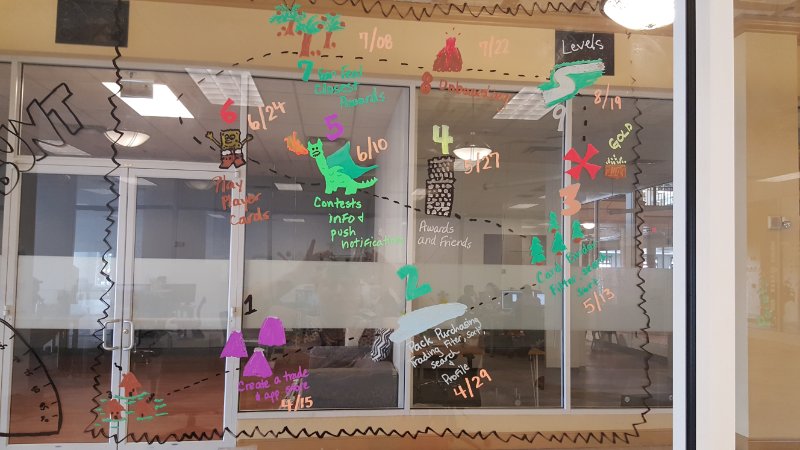
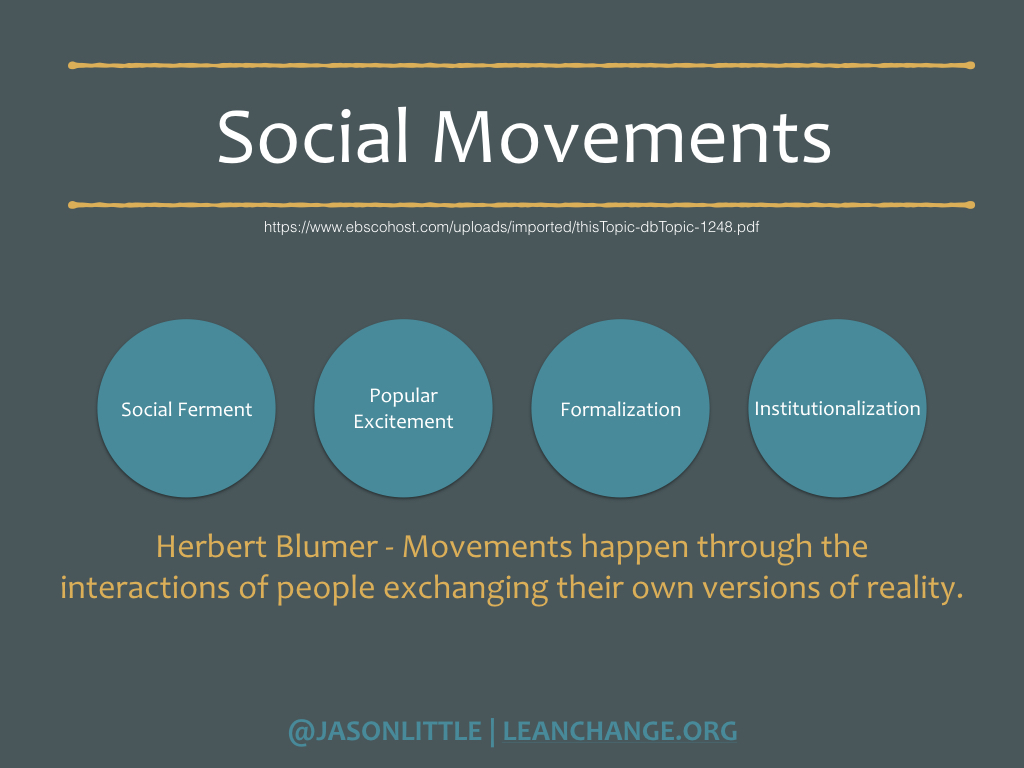
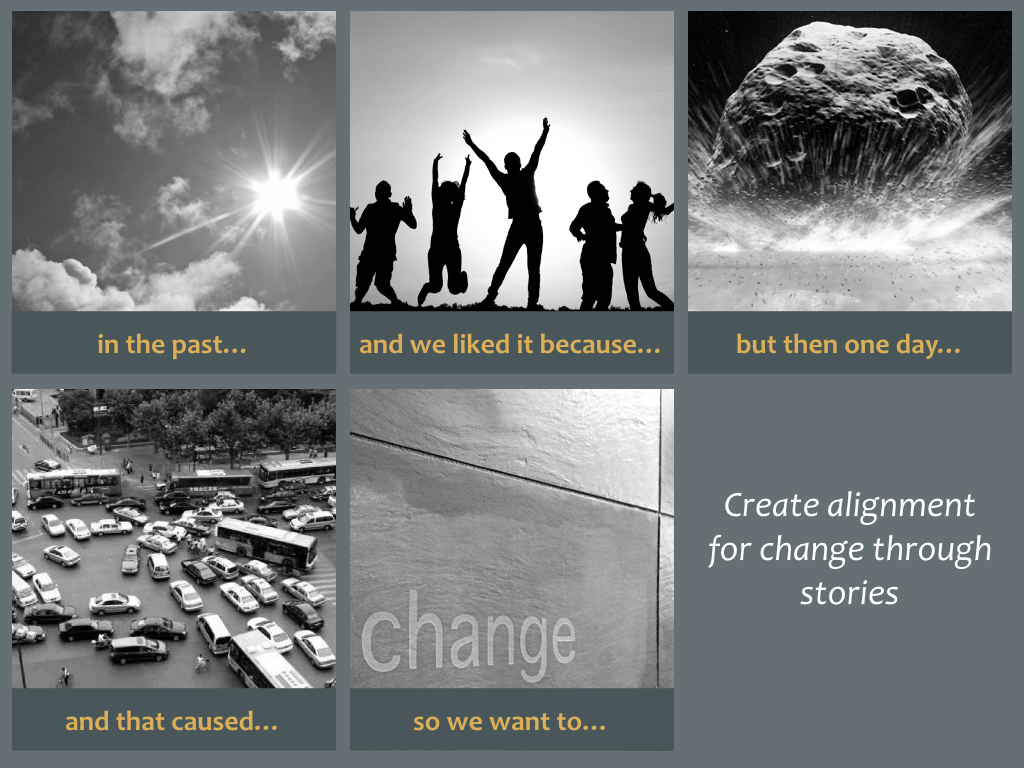

"Change or die!! Innovate for become obsolete!" This is the false urgency that Kotter warns about. Knowing the difference between urgency and false-urgency can be difficult. Maybe change agents should be focusing on something else to help organizations change.
The Guiding Coalition - Kotter's 2nd step...but it is an outdated concept in change management or merely executed poorly by organizations? On this week's podcast, I'm joined by enterprise agile coach, Ty Crockett where we debate the pros and cons of centralized change teams.
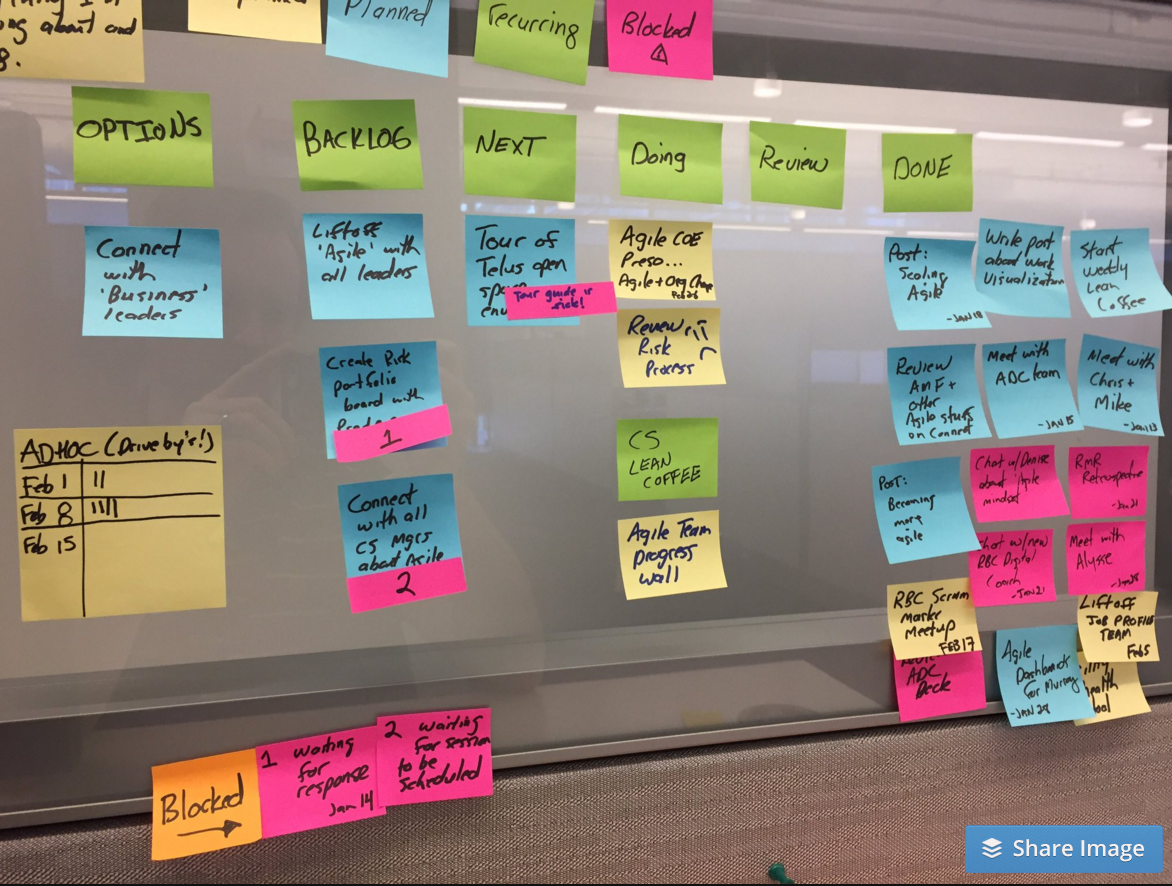
Change certifications won't go away anytime soon...unfortunately...but these are 5 simple things you can try today that certification programs won't teach you.
In today’s world, the organizational lifespan is shrinking, and established organizations are trying to figure out how to remain relevant. Sometimes that means change, but sometimes it means keeping something that's working.
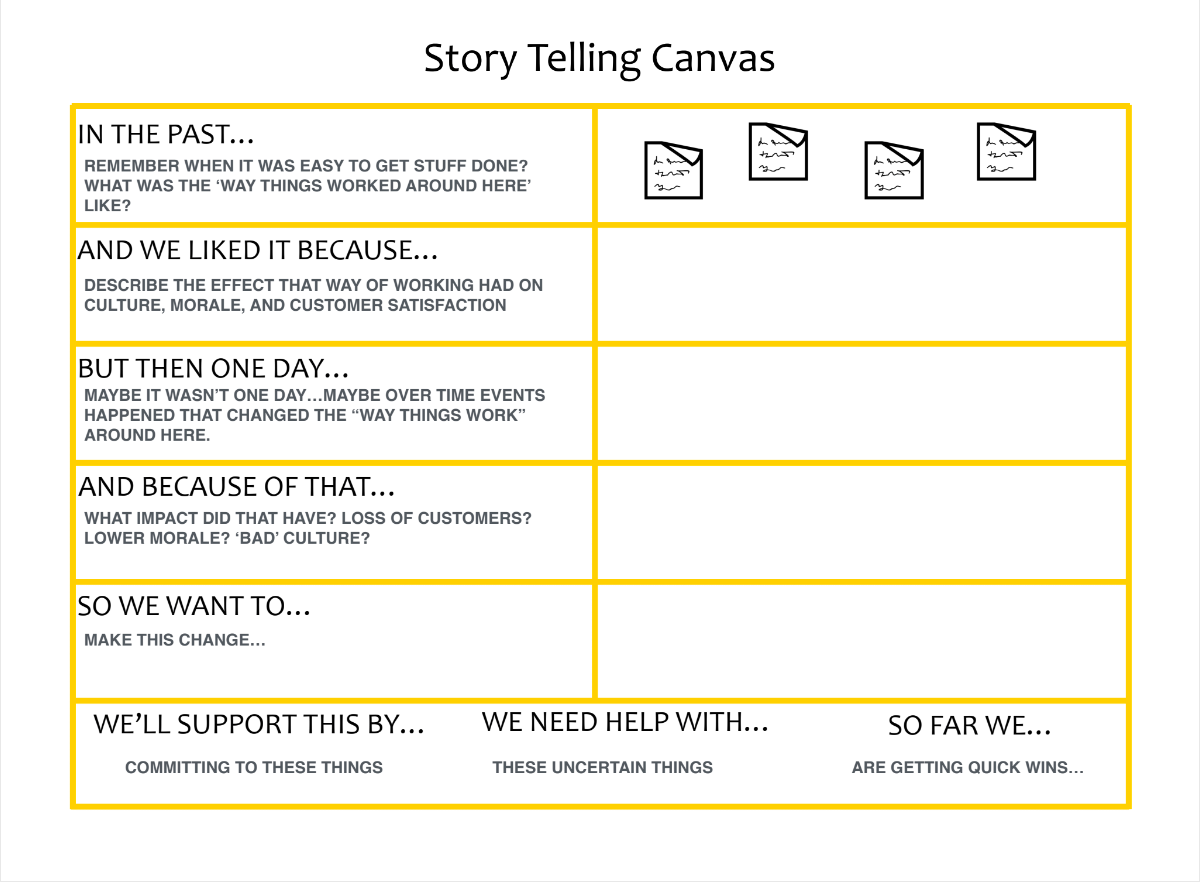
Urgency for change is an outdated concept in change management. Cause and purpose for change is a more compelling way to help people align to transformational change. Learn how you can incorporate storytelling into change management by using a Storytelling Canvas.
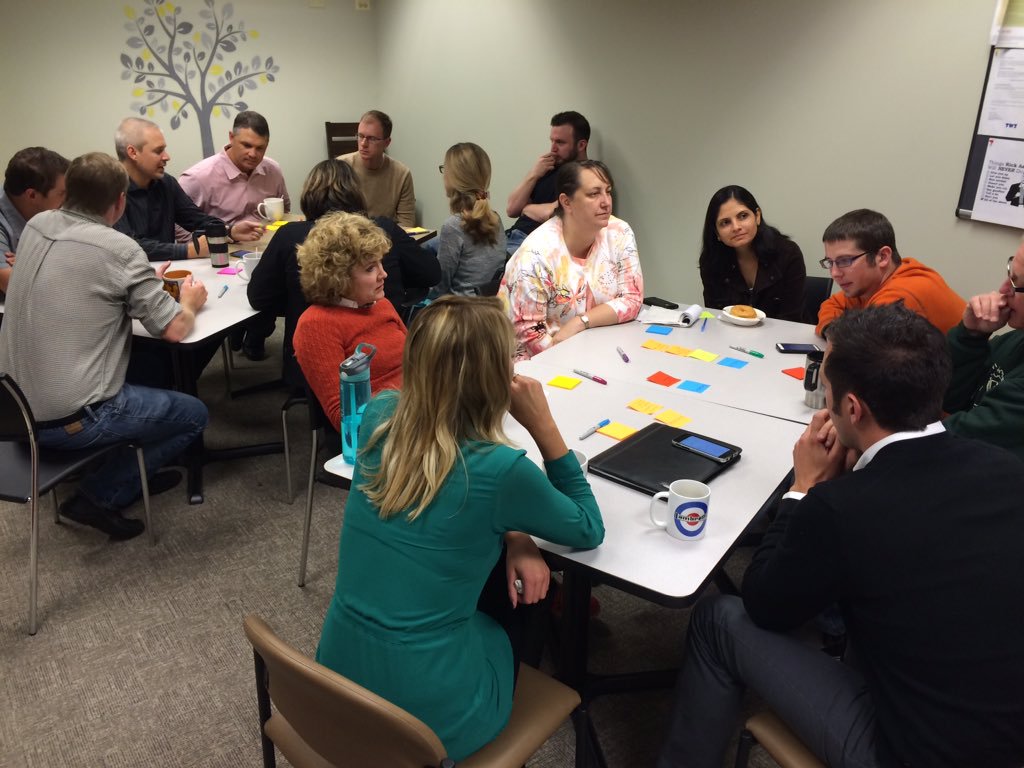
What happens when your organization is acquired and you have overlapping roles? Brock Argue tells us a story about they approached this problem, experiments they ran and what happened.
In EP4, Eric Lynn and I talked about changing culture and the concept of 'buy in'. A few people had their own thoughts about these topics! This episode is a response to EP4.
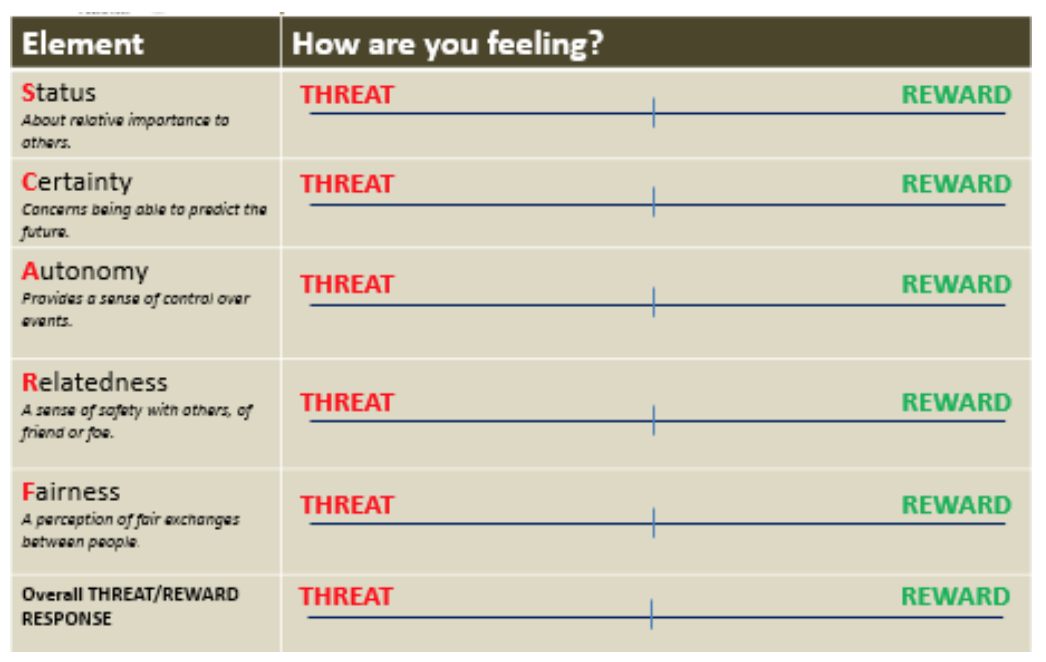
Sometimes there is more going on for people when change is introduced. This week's guest post comes from Lena Ross who is a change consultant, speaker and facilitator. She writes about how brain research is helping us understand more about how people process change.
Sometimes we over complicate change and put the focus on following our favourite model, tool, framework or method. In this interview with Richard Atherton, I suggest 3 simple things that can help you move your transformation forward.
This week's podcast features Eric Lynn, founder of Culture Q's. We discuss culture change via conversations, whether you can measure culture and more!
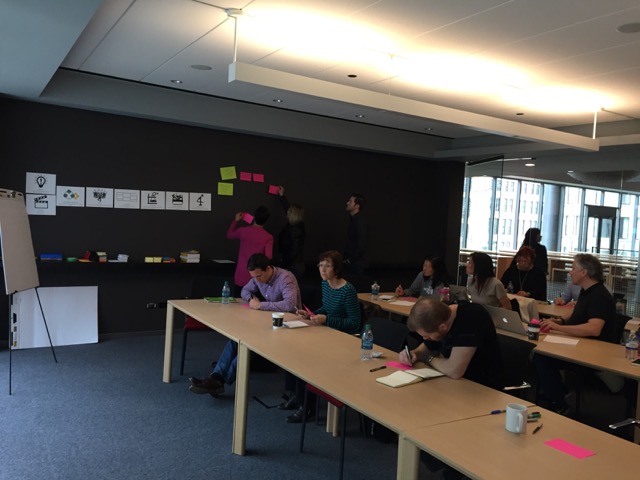
"We have to tell our teams what to do or they just won’t do it." How many times have you thought this? How many times have you had a conversation like this?
This week we feature a rebuttal of Episode 1 with Paul Gibbons. What did people think of the 1st show? Have a listen as we debate pop psychology, agile and OD and more!
This episode features Salah Elleithy, Agile Coach, Trainer and founder of Spark Agility. Salah joined an open session with me at Agile 2015 where myself and a few other people tried out a technique called The Hot Seat. Salah recently tried this out with a client and in this episode we chat about why he wanted to try it, how he did it and what happened.
The first Lean Change Management podcast features Paul Gibbons, the author of The Science of Successful Organizational Change. In this episode we talk about what the Agile community can learn from the organizational development and change management communities.

The Agile community groans when late adopters discover it as being the greatest thing ever. I'll wager most Agile practitioners don't realize everything in Agile has been stripped from ideas that are decades old. It doesn't matter where these ideas came from, let's merge ideas from Agile, OD, CM and HR in order to build resilient organizations.
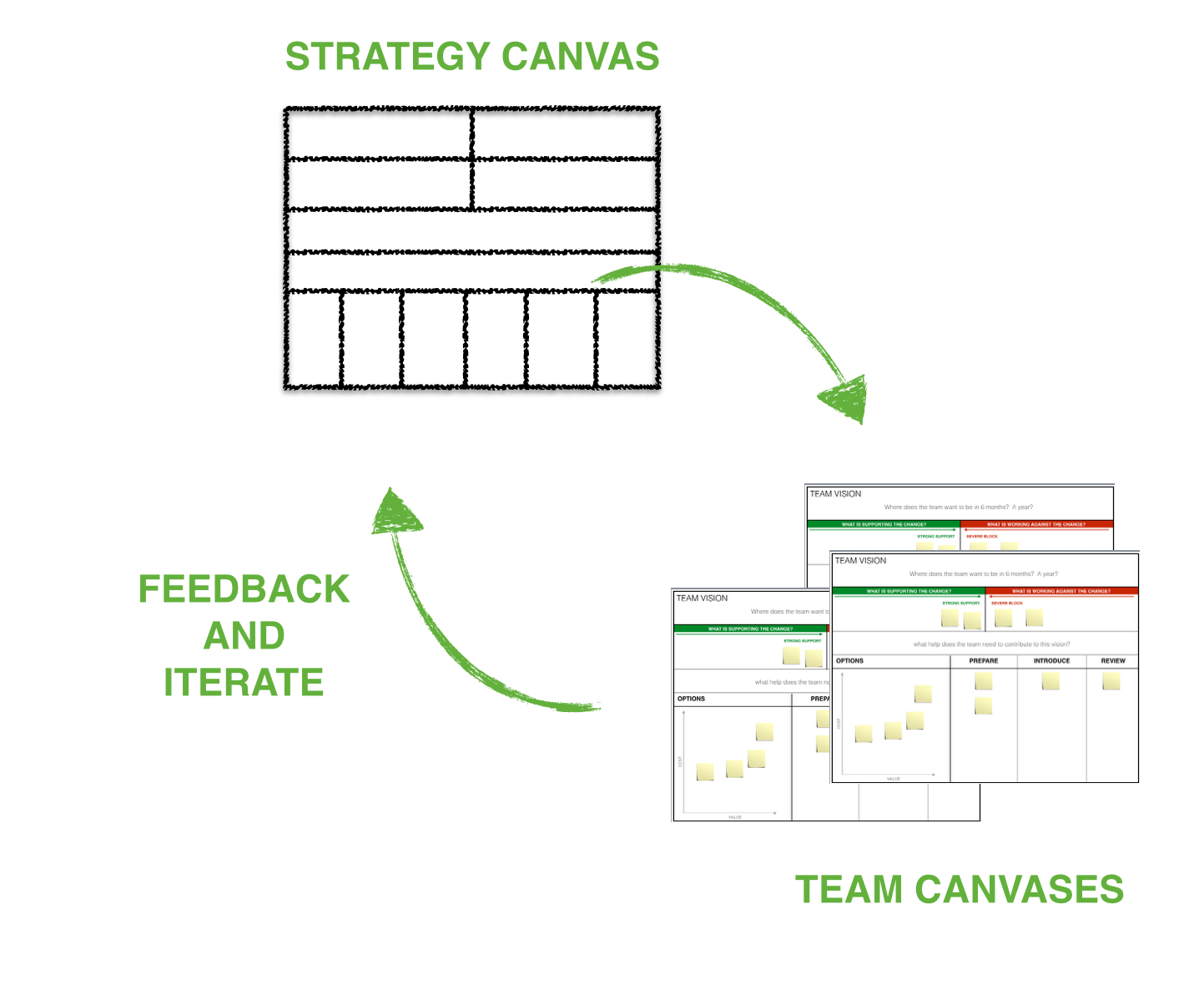
Teams often feel they have had Agile pushed on them and they simply have to go along with whatever is pushed from above. Change canvases help people in teams take ownership of their changes that align with the organization's purpose.
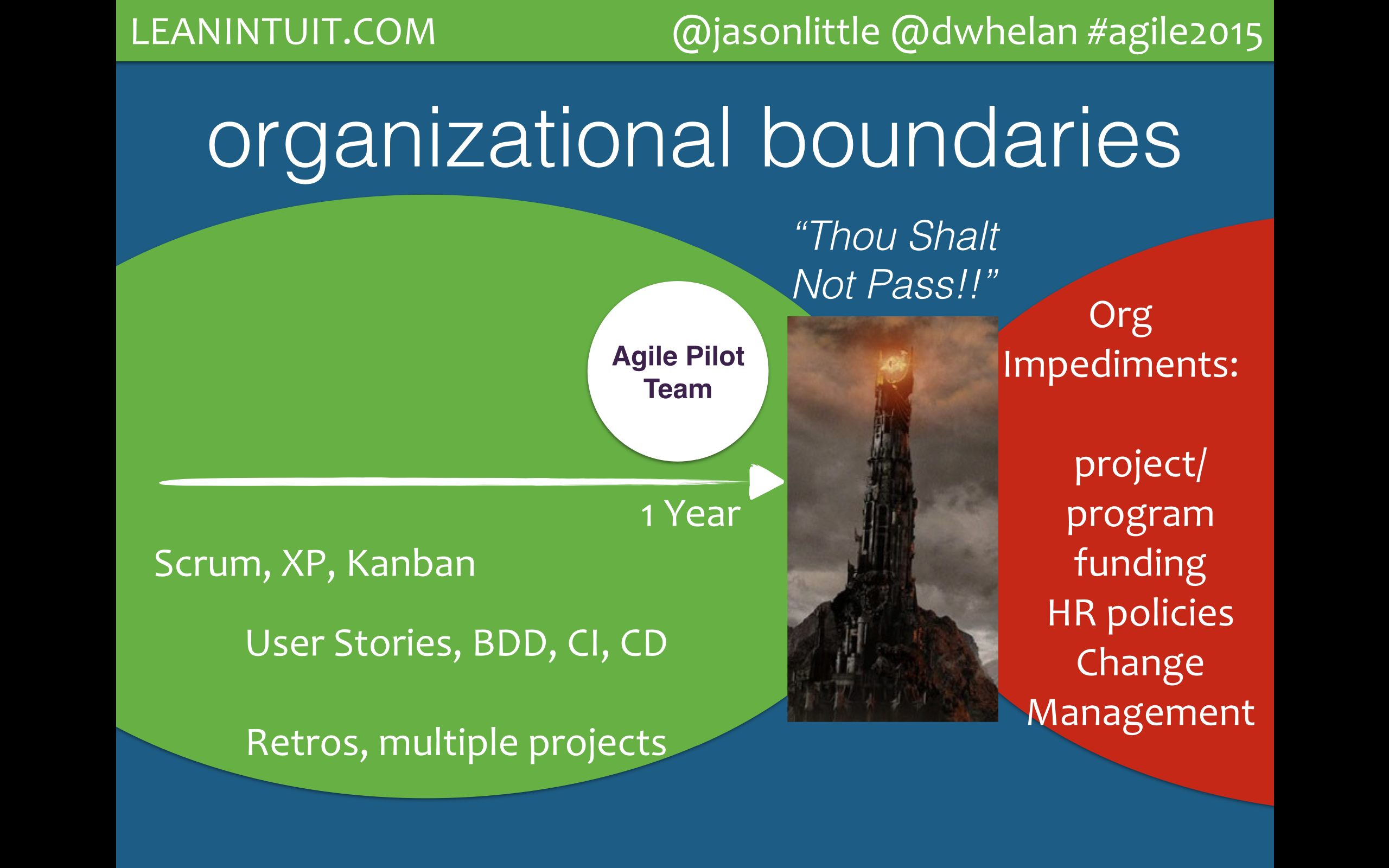
Agile teams can fly under the radar until they bump up against the organizational boundaries. At that point, 'being Agile' and 'Agile mindset' discussions become useless for moving forward.
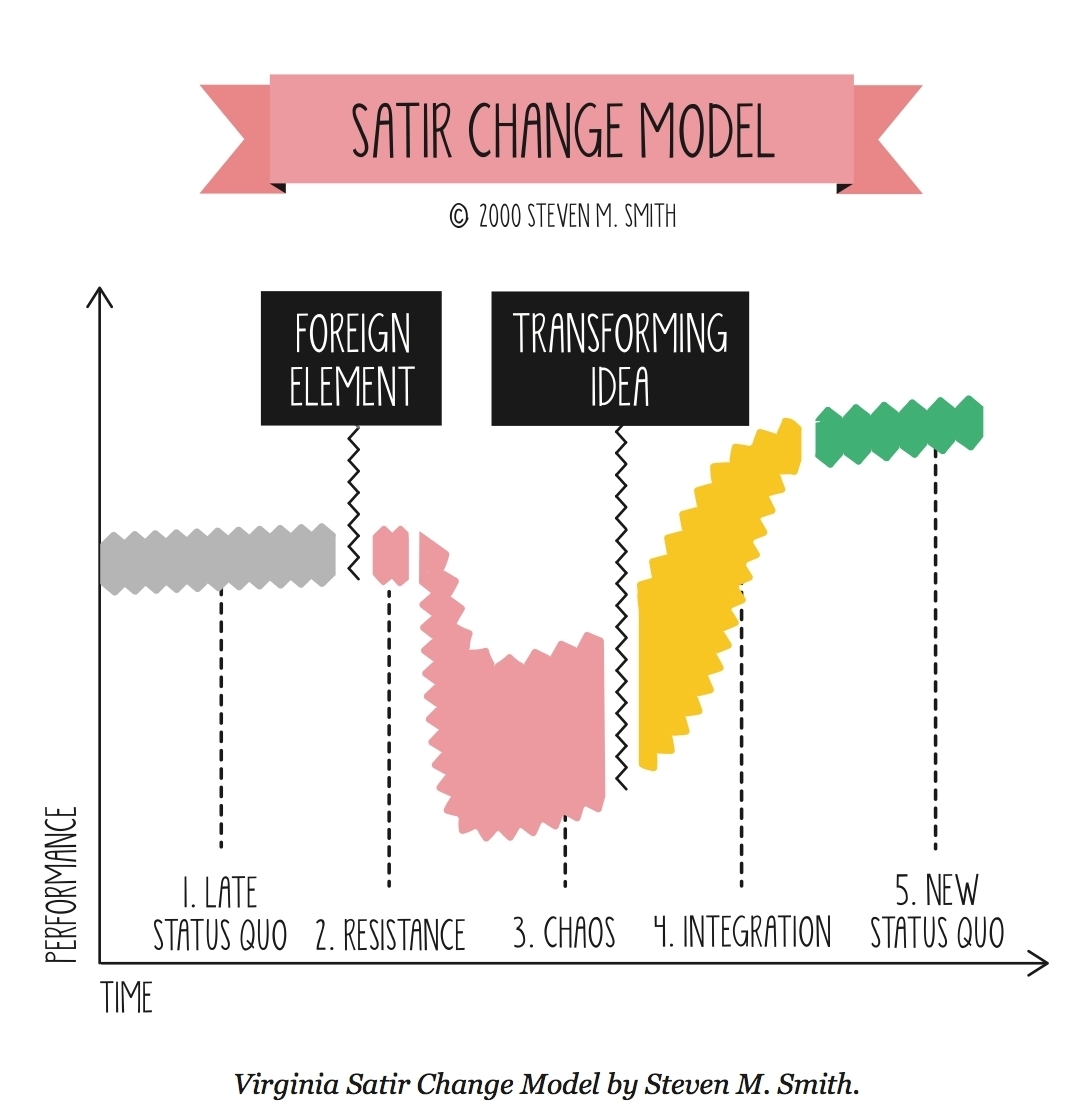
People process change differently. Sometimes you can be explicit about how people are affected by change and use that in your retrospective to provoke powerful discussions.
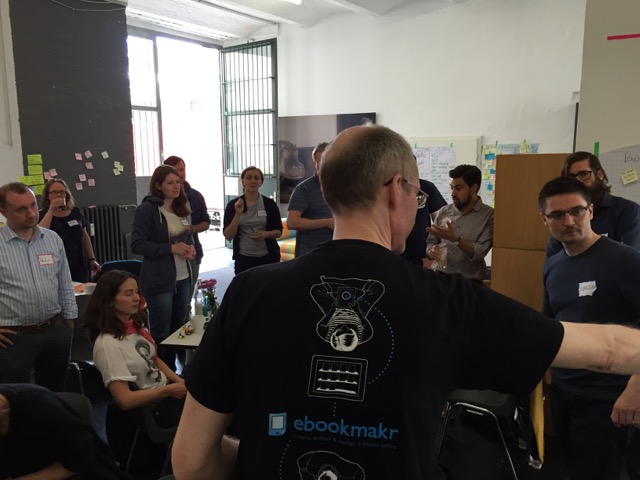
Change Management is a relatively new profession. And it's changing rapidly. The more we learn, the more we realize that adapatability is the key, not blindly following a method. The New Change Manager is someone who understands what change management is all about.
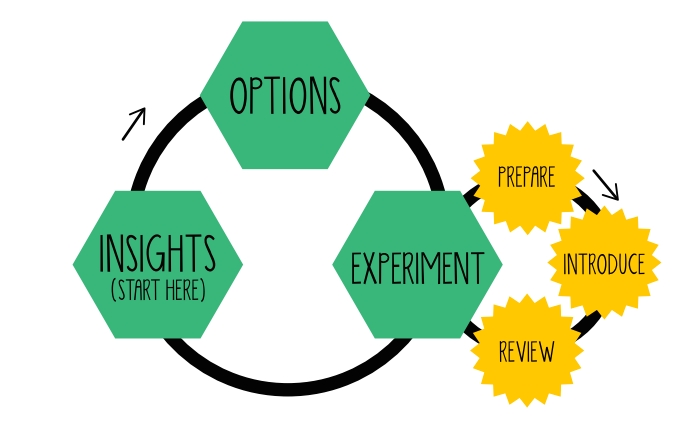
Many practitioners cling to the method of choice, yet the creators of those methods like to say that change fails 70% of the time. In this post I explore why you should create your own change method.
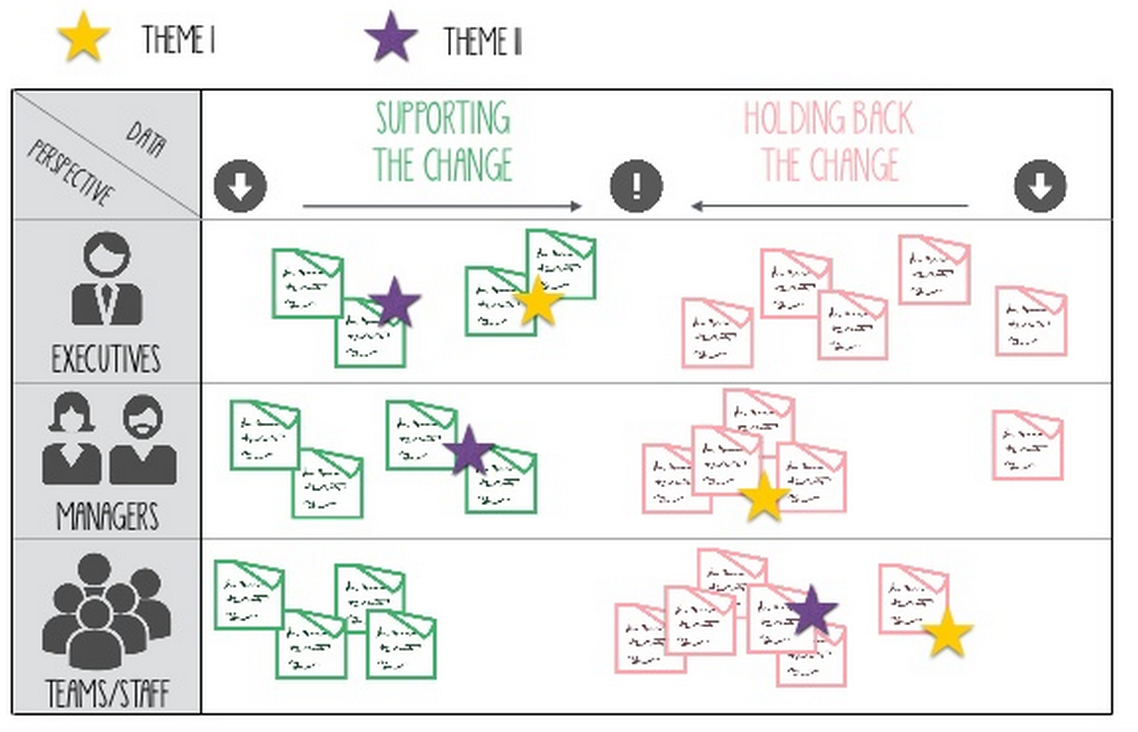
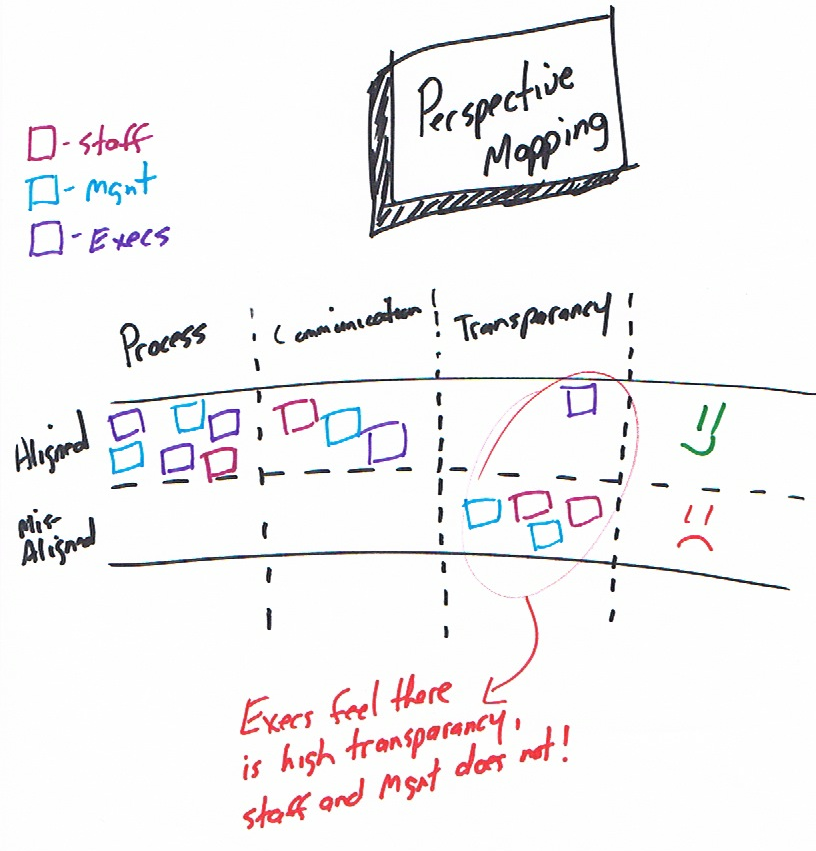
How do you know the changes you're working on are the most important to the organization? In a large enterprise, this can be challenging. I sat down with Joanne Stone, Agile Evangelist for TELUS to hear her thoughts about applying Perspective Mapping in her 40,000+ organization.
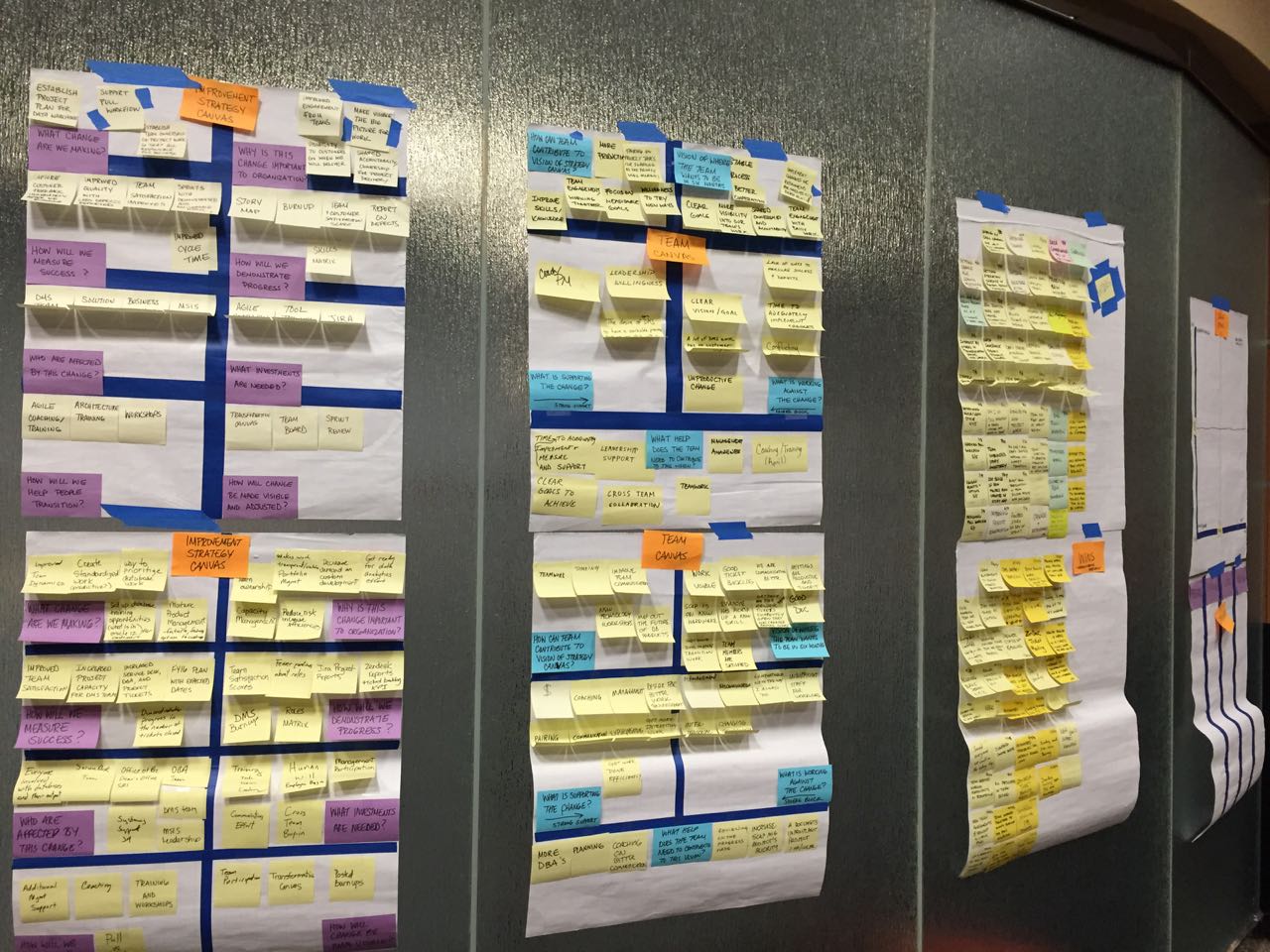
Listen to April Jefferson's story about how she helped two teams and their management team transition to Agile by using strategic and team-level canvases that provoked deep conversations.
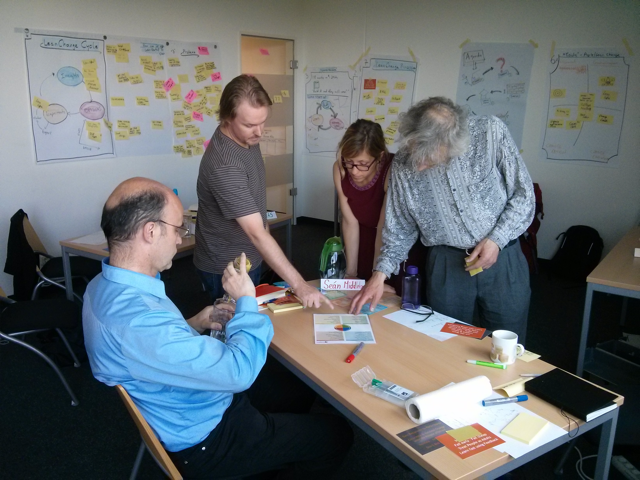
Become a Lean Change Agent facilitator and get on the path to bring meaningful change into the lives of people all over the world.
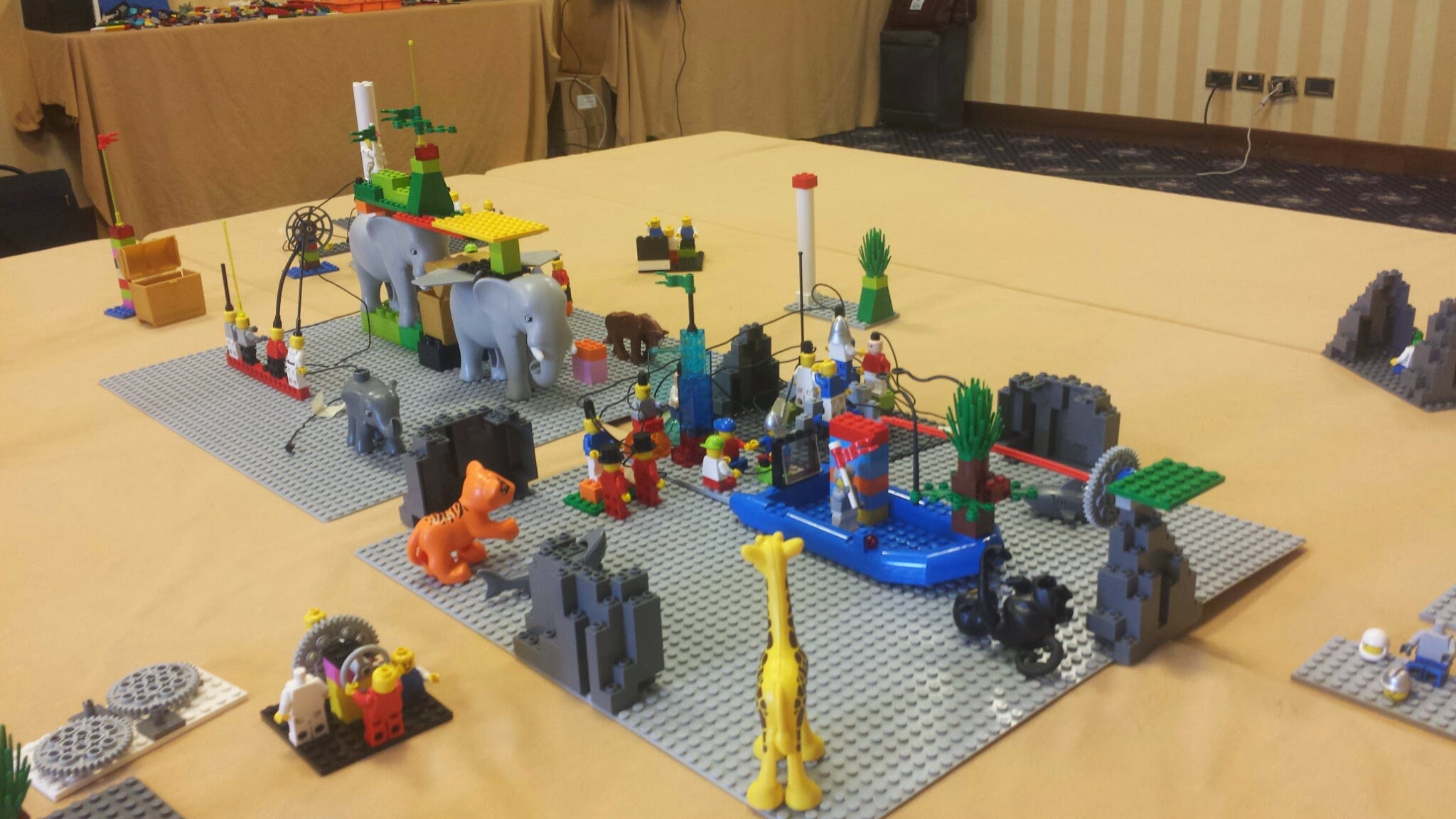
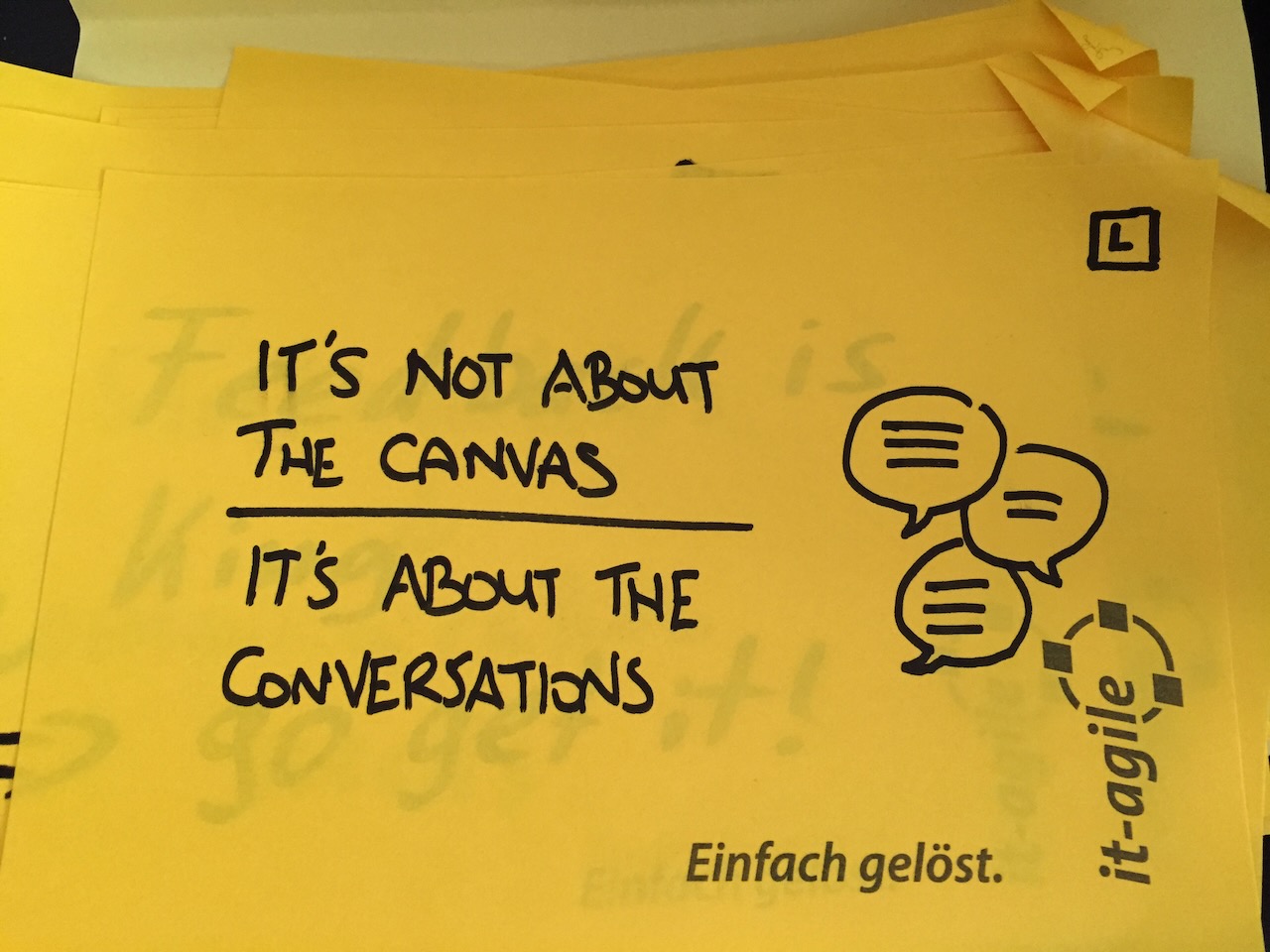
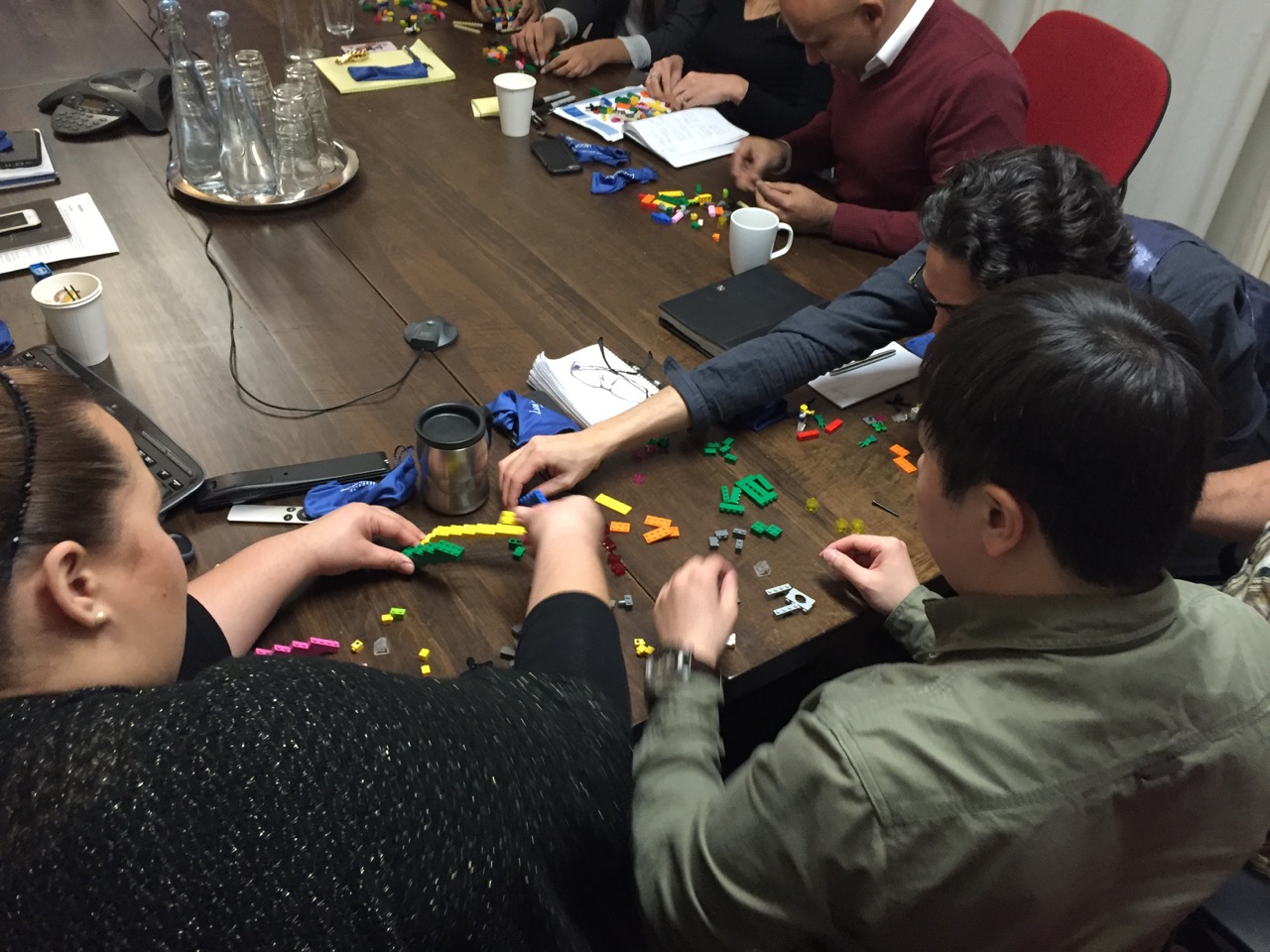
I'm often asked which tool or artefact to start with when it comes to kicking off a change initiative. Well, it's not about the canvas, it's about the conversation! Here's a story of how a couple of people used LEGO® SERIOUS PLAY™ to start the alignment process around a change initiative.
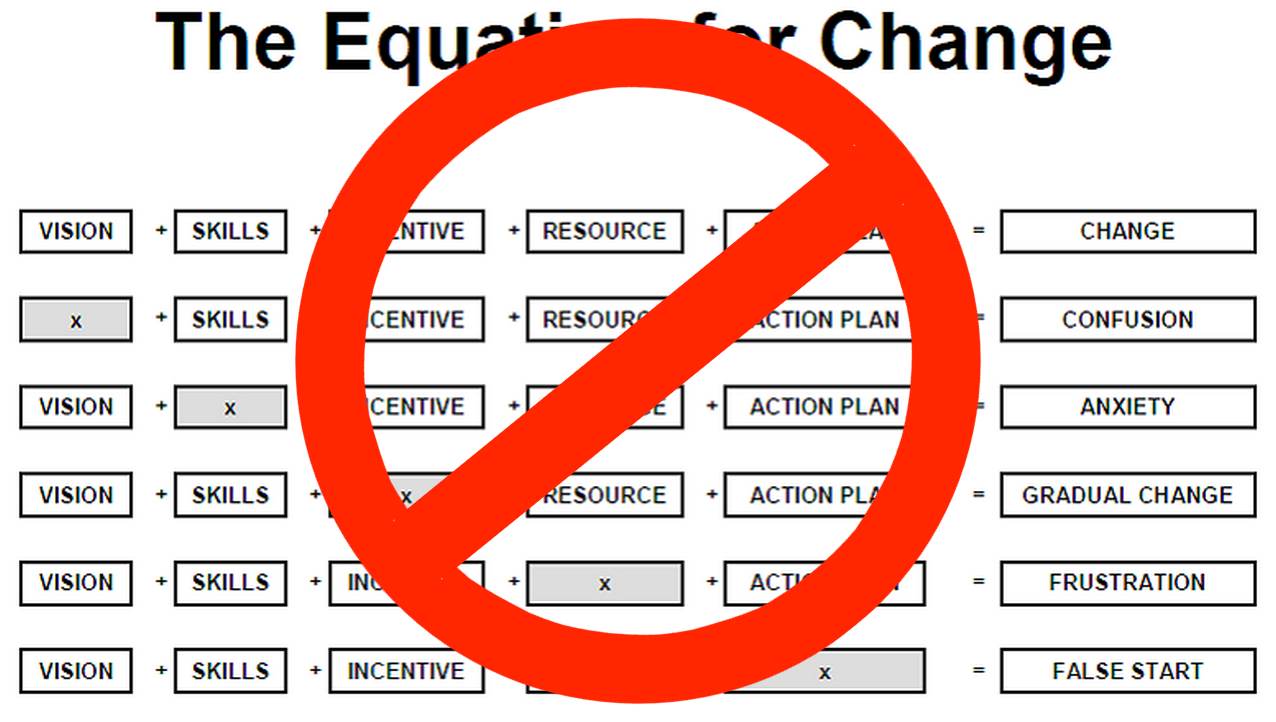
Is there a change equation that, when followed, ensures successful change? I don't believe so, but read on and let me know what you think?
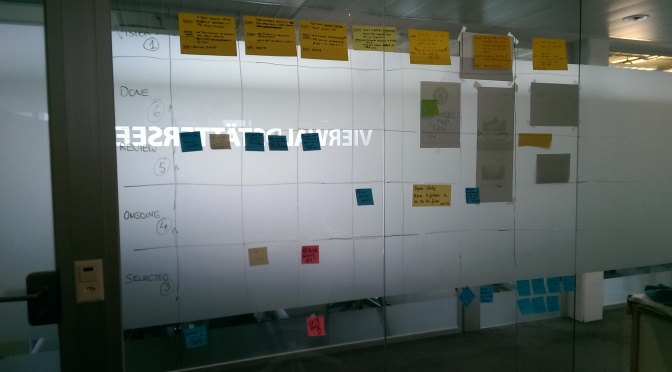
Find out how HolidayCheck started their journey with Lean Change Management. It can be much more simple than you might think!
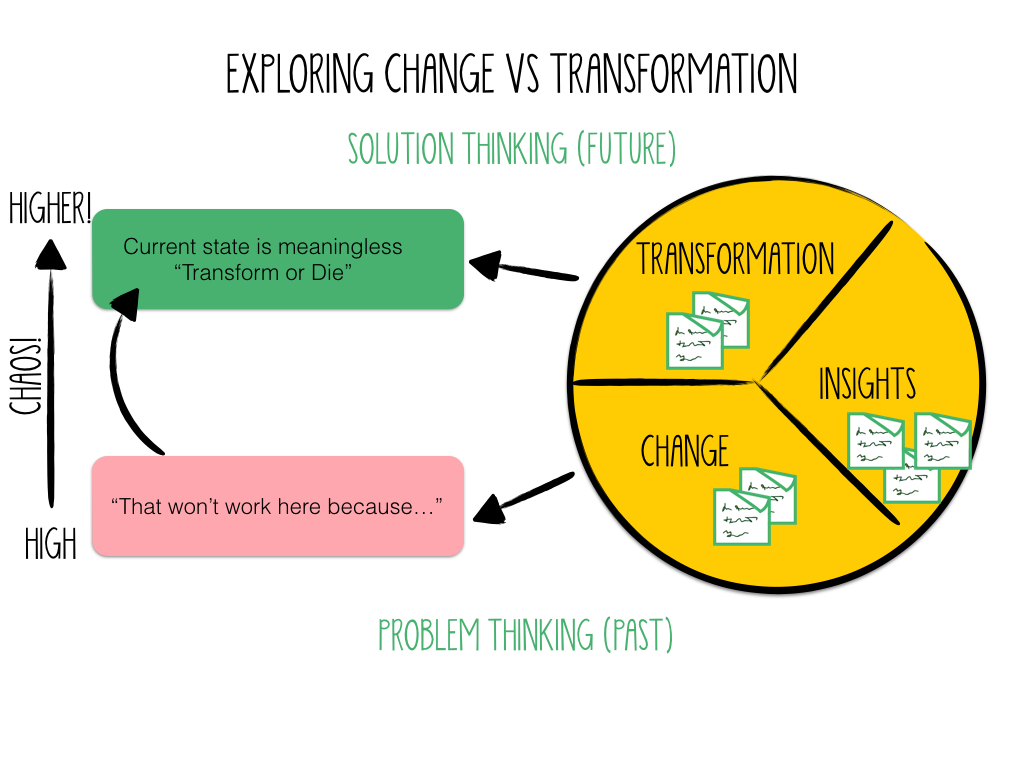
We believe that change happens continuously and mainly should be owned by the people who do the work, thus the responsibility of the work, managing the work and managing how to work shouldn’t be separated. So we recommend to use the tool in a joint session with everyone who is affected by the change. - Stefan Haas
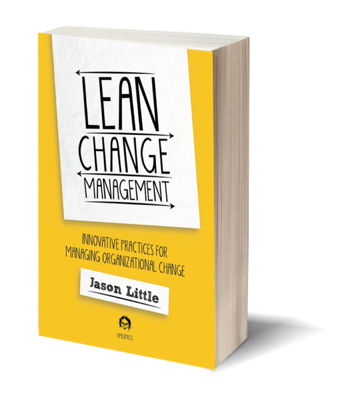
Lean Change Management is inspired by a variety of practices and many communities from agile to organizational development and neuroscience. Check out my recent interview with InfoQ about my upcoming talk at Darefest in Antwerp, Belguim.
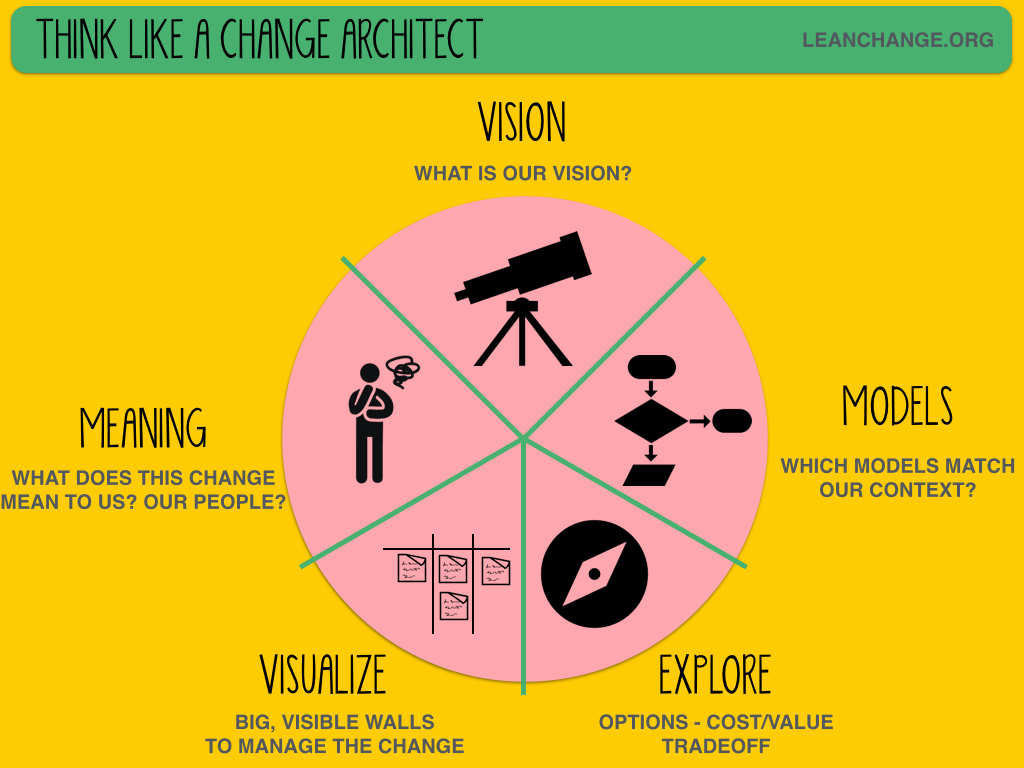
Architecture is a fixture in software and construction projects, but what can change agents learn by applying ideas from architecture to organizational change?
Ah, the age-old question: How do we manage change resistance? This is the one and only strategy I know of to manage this problem.

"Transformation" is vague term. It sounds good to say "we need to transform" but it doesn't prepare people in organizations for what they're going to need to tolerate while "construction" is in progress.
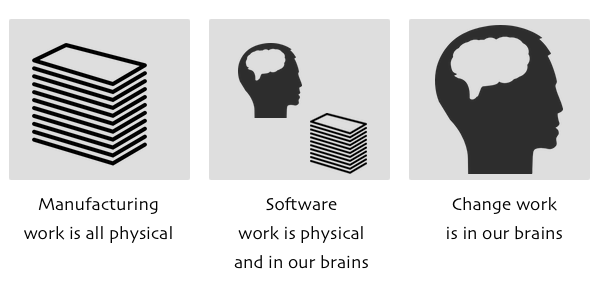
In manufacturing and software, "waste" is considered to be a bad thing. But what about change management? Is something that is more unpredictable and uncertain affected by the same types of waste?
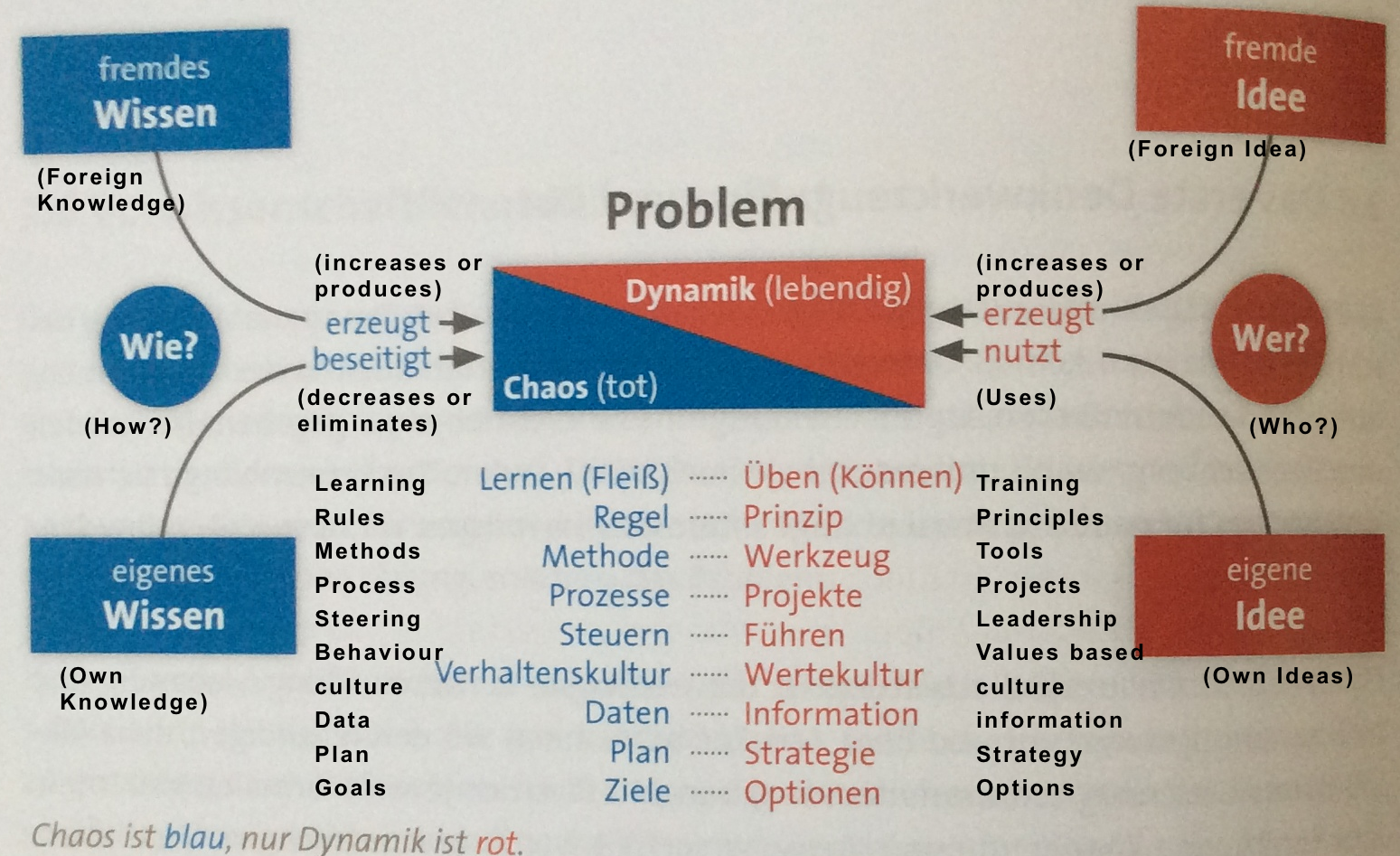
If all you have is hammer, every problem looks like a nail. Cute, but false. A hammer is just a tool, it doesn't tell you how to use it. Here are 4 tools and visualizations you can use to help you make sense of complex organizational changes.
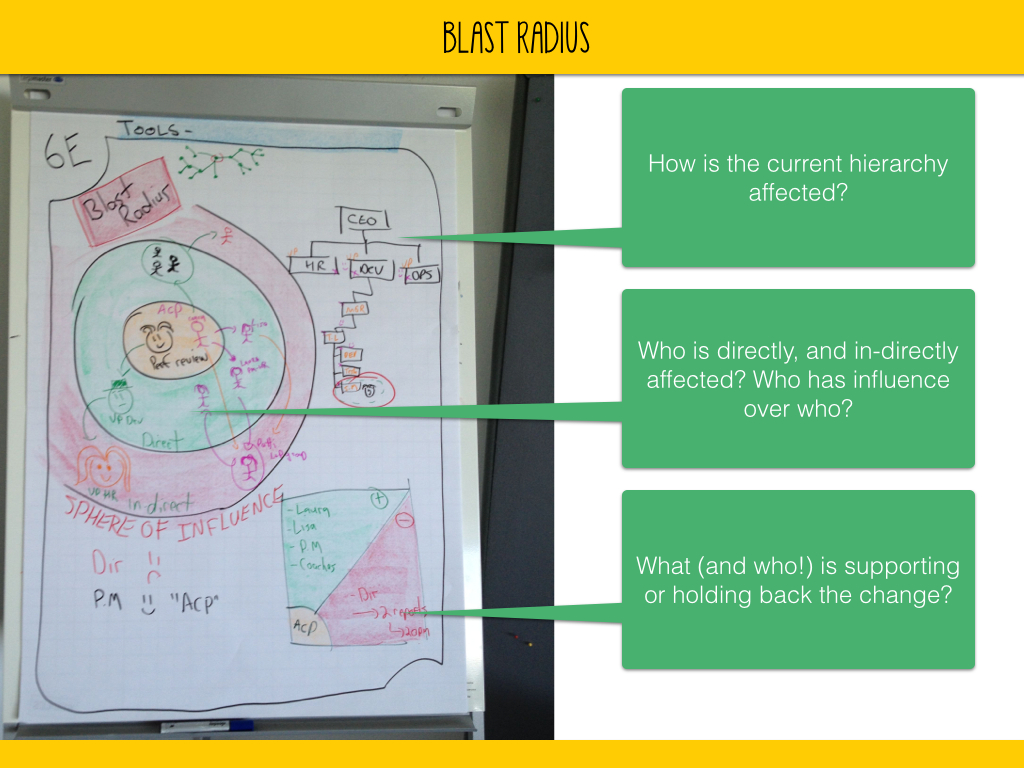
People generally cling to what's familiar to them when it comes to choosing a change management framework. Of course, that preference might not be the right tool for the job. Here are some ideas for how to build your own change management framework.
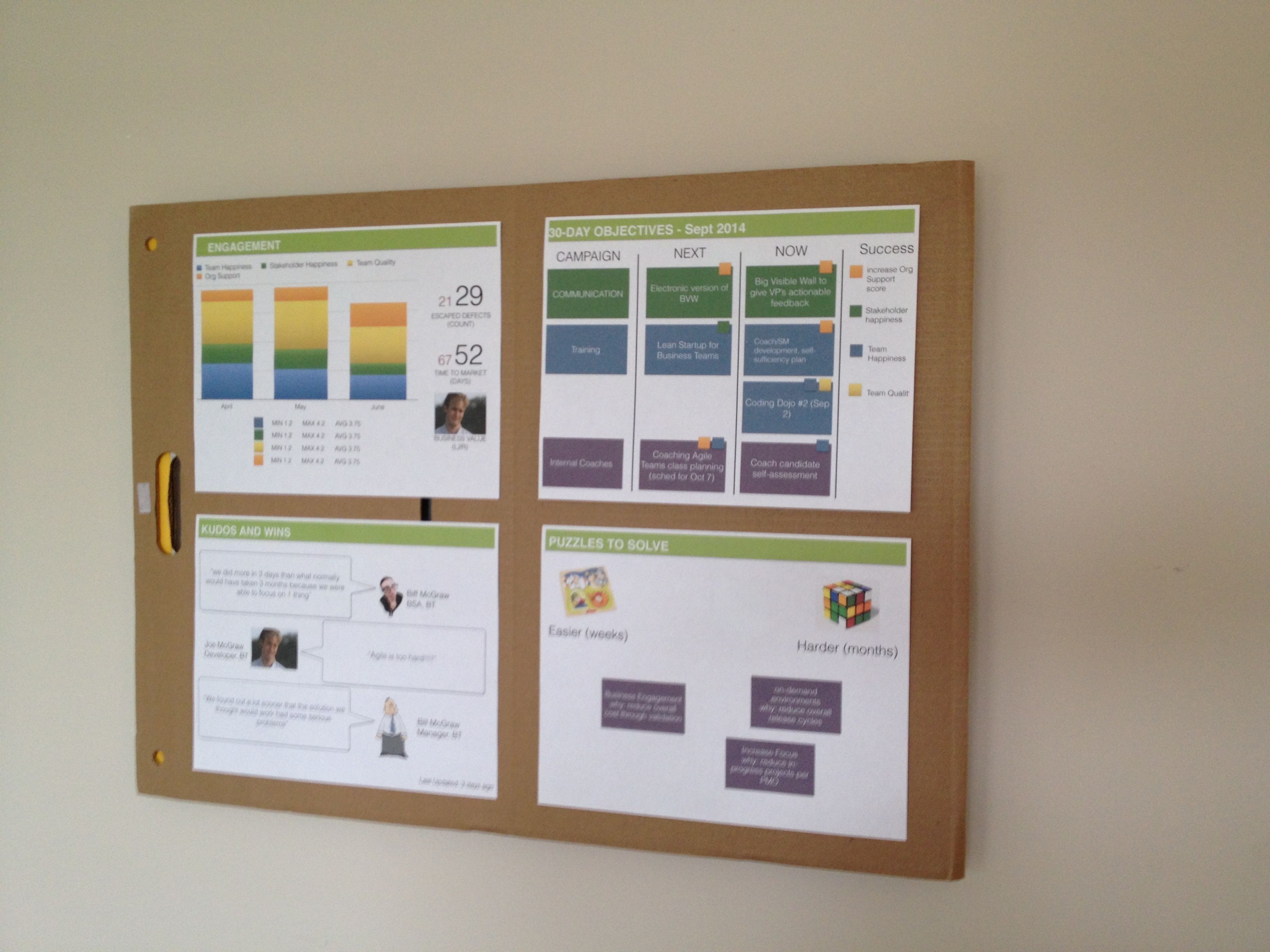
Today's change management practices are not equipped to facilitate change in today's digital world. Learn 2 simple, yet powerful techniques for creating alignment for change by modernizing your change management practices.
Change agents have biases. Sometimes we make the changes we think makes the most sense. Sometimes those aren't the right changes though. Thinking about changes as being time-bound Experiments is a more effective way to manage change programs
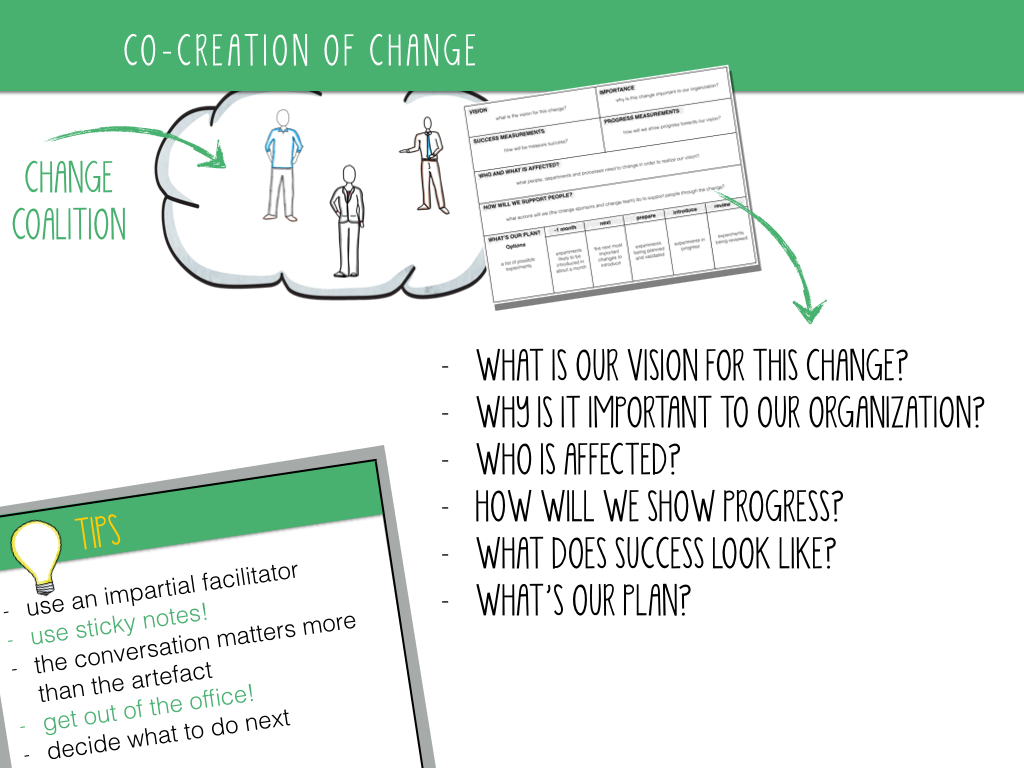
Lean Change Management will be released soon! Get a sneak-peek at some of the bonus material that will accompany the book!
It's time to stop running change initiatives like projects with a start date, end date and budget. Can we enable continuos change to manage today's pace of change?
Is the way we approach organizational change fundamentally broken? It's time to stop planning changes behind closed doors and co-creating it with the people affected.
The Agile Community and Change Management communities have similar reasons for why change fails. Is there a relation between them? What can Agile learn from Change Management and vice versa?
There is much change management can learn from the Agile community, and vice-versa! Learn how you can apply Agile practices within the ADKAR change management model.
Standardized change management processes is what has gotten us into this mess. Can a better standard help improve how organizations change?
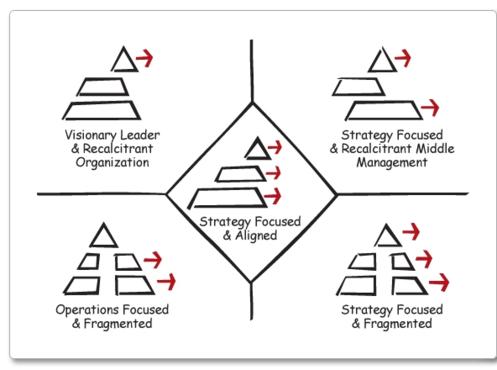
Organizational change is hard. It'll be a whole lot harder if people on your change team are more concerned with being right than doing the right thing. Learn how to create alignment with your team.
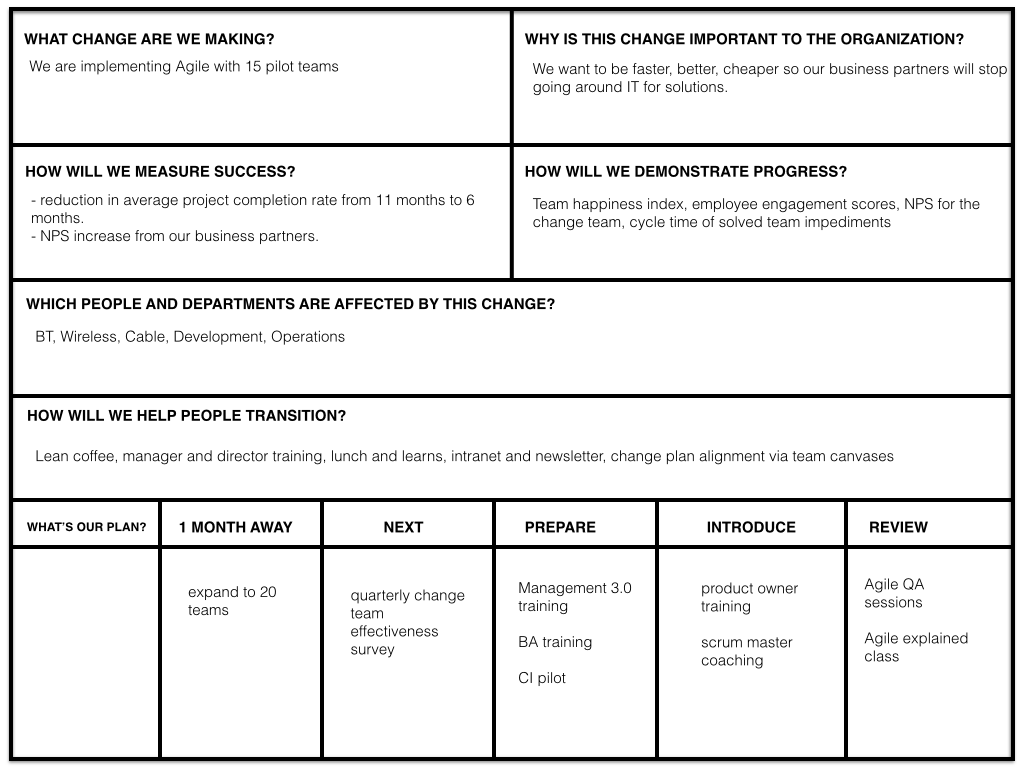
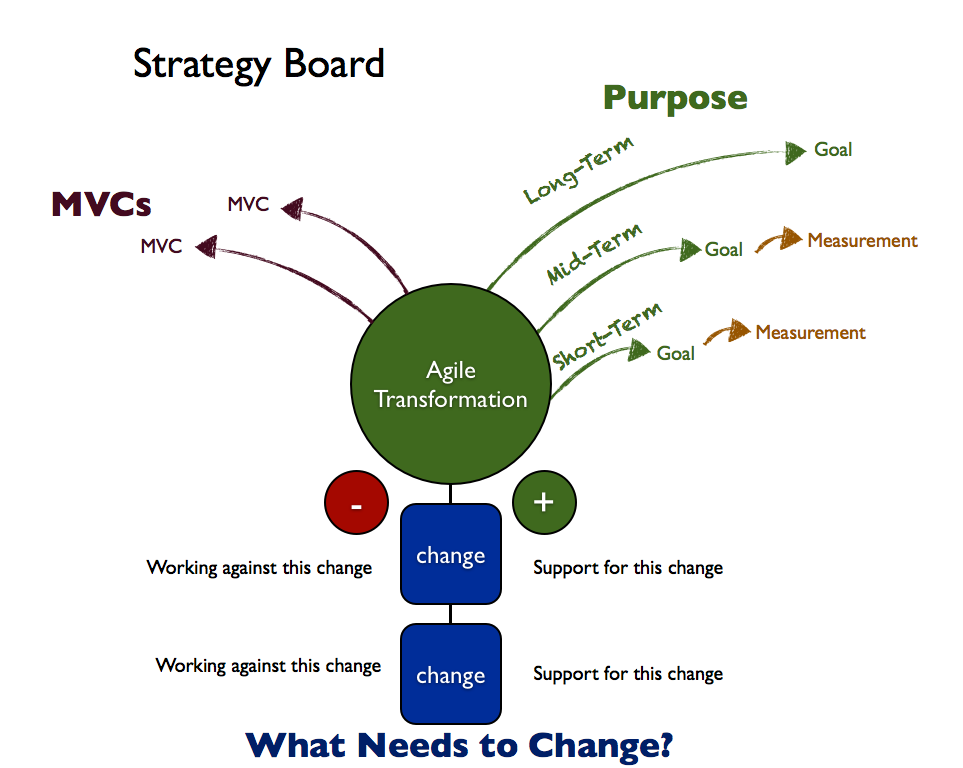
From the Lean Canvas to the Business Model Canvas, there are many variations on "1 page plans" to help organizations solve business problems. This post will show you how to use canvases to manage your Agile Transformation.
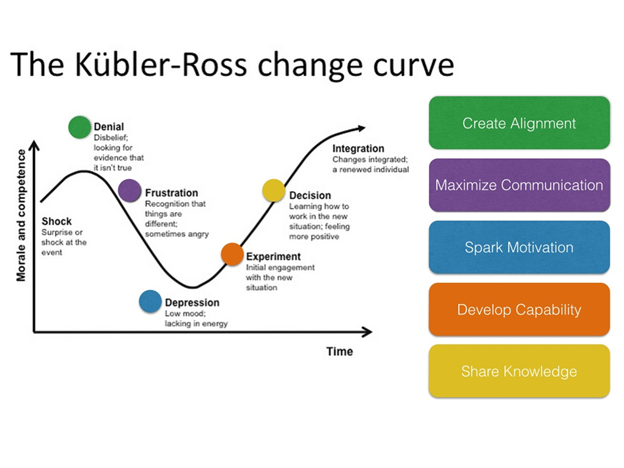
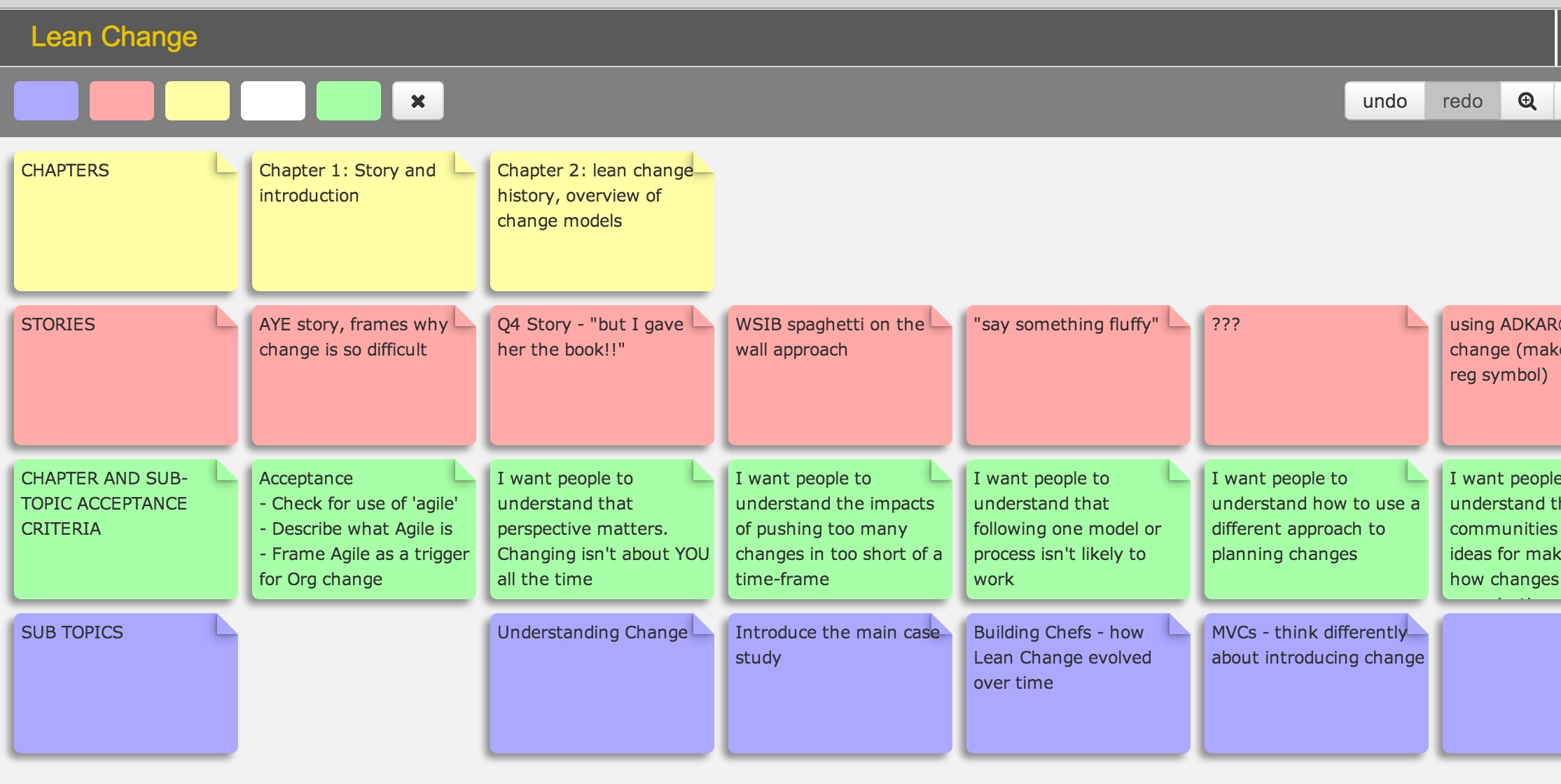
Writing a book is much more difficult than I thought. Learn how I used storymapping to help write the second edition with the help of a structural editor.
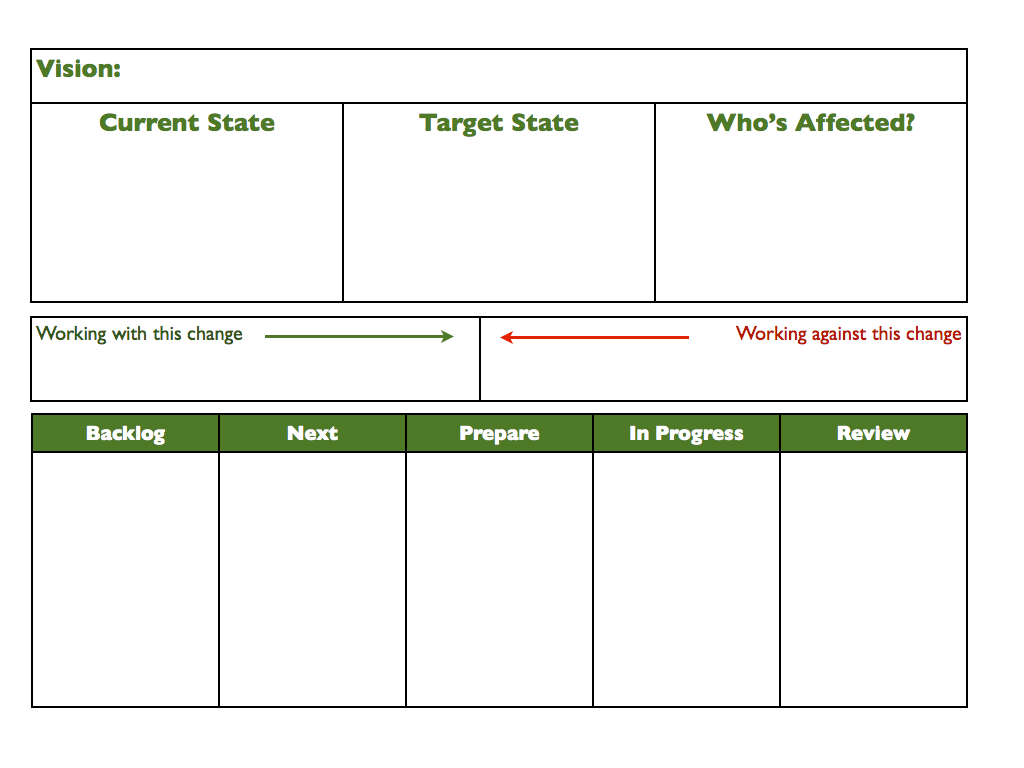
People I've talk to about Lean Change and organizations I've used Lean Change with all seem to love the idea of change canvases. For me, I like to use them as thinking and sense-making tools. They make planning for change a whole lot faster and they do what they are intended to do. Provoke conversations.
Learn how Lean Change Management can help traditional, plan-driven approaches to change.
Green? Yellow? Pink? What colour should the next cover of Lean Change Management be? Vote!
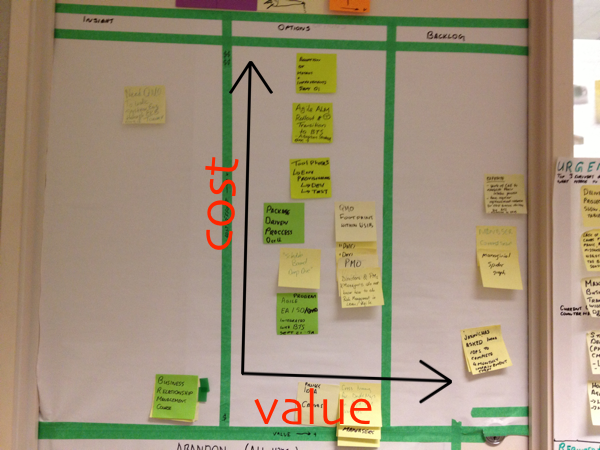
Gerry Kirk and Jason Little presented Lean Change Management at Agile and Beyond in 2013. Check out the presentation here.
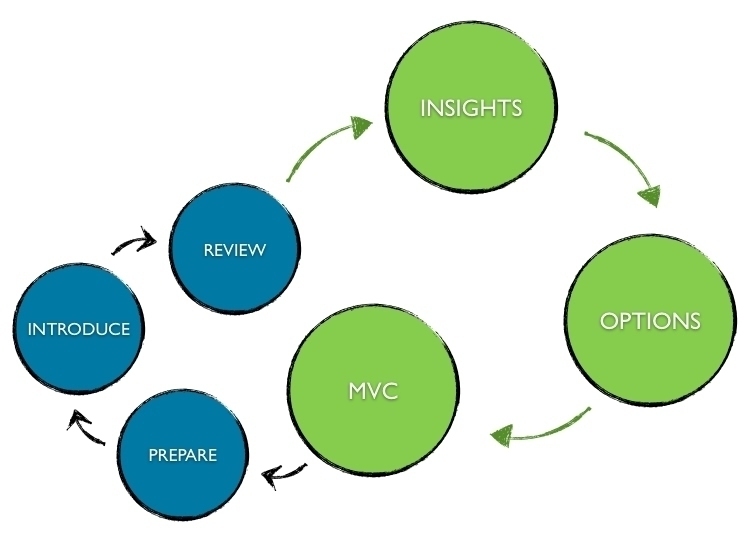
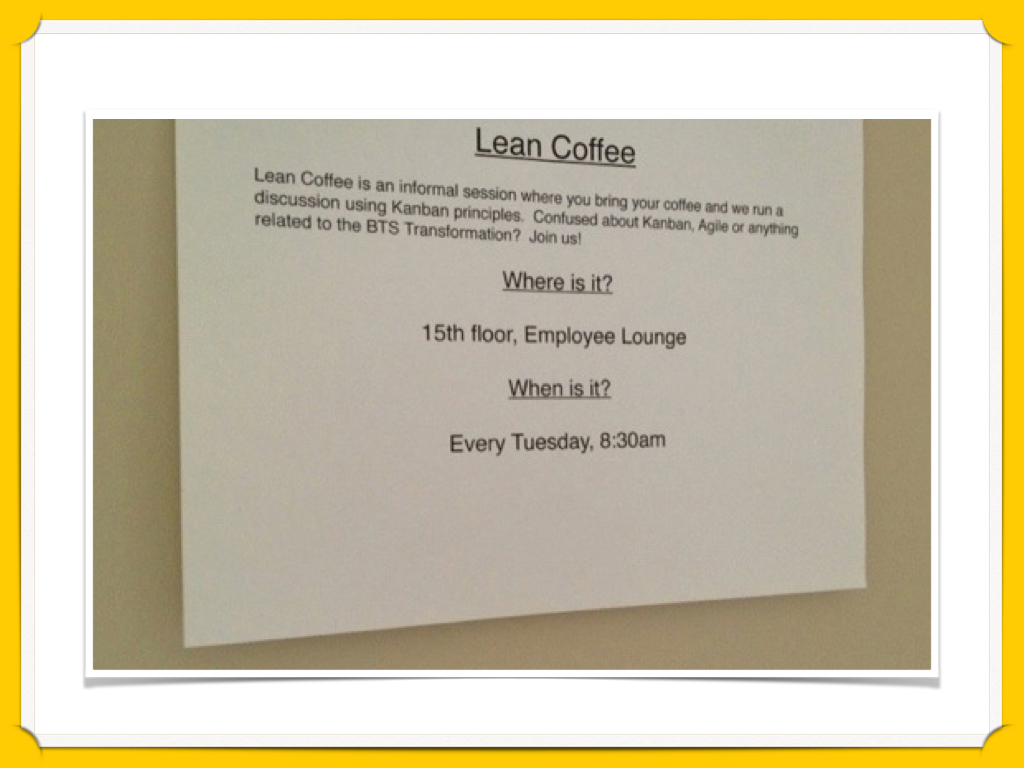
These are the slides I presented at LESS 2012 chronicling the evolution of Lean Change Management. This talk won best talk for the Lean Startup track in Tallin, Estonia!