I still remember how excited I was to get back to my organization after finishing my three-day Prosci certification. It was the mid-2010s, I'd just joined a government agency, and they'd sent me off to Whistler for the training. And it was a great course. The instructor knew the material, kept us engaged, and three days on site gave us real time to dig in.
I couldn't wait to apply everything I'd learned. I came home with a full kit of tools and processes, and all of it made sense on paper. But the frustration set in almost as soon as I tried to use them. What looked good on paper didn't match how my organization was actually experiencing the change.
Here's an example. On paper, a three-phase process looks tidy. You plan the change, you manage the change, and then you reinforce it. Planning is where you do your stakeholder analysis and build out your change strategy.
In reality, I was almost never there at the start with the project team. I was parachuted in partway through, close to go-live, or after go-live when things weren't going well. I had to hit the ground running. I couldn't ask the team to stop and wait while I produced all the documentation the process said I needed. And on some changes, that material already existed, so I didn't need to build it at all. There was real friction between what I'd been taught and what it took to apply it.
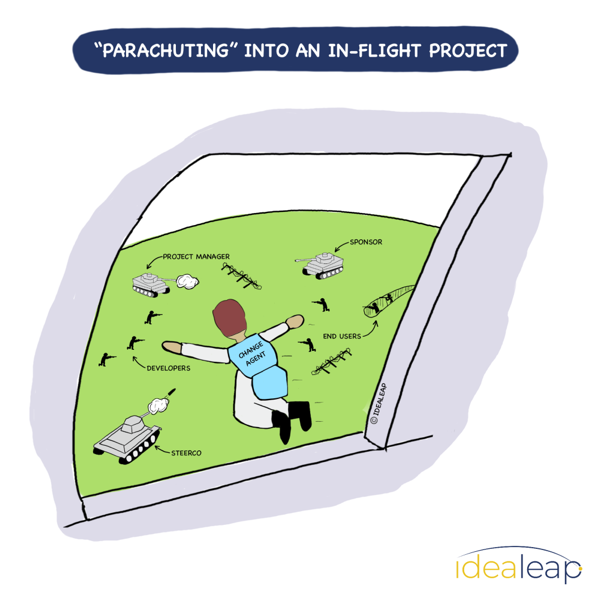
All these years later, I'm still seeing the same thing. I'm not sure I've ever started a project at the very beginning and carried it through to the end in a neat sequence. If anything, change has become messier and more emergent. You get dropped in to fix a hotspot, then you're on to the next one.
Why I went looking for something different
That's what drew me to Lean Change all those years ago. Lean Change starts from the position that change isn't linear. It's messy and unpredictable. Lean Change was saying that a long time ago, and it matters even more today.
The Lean Change Cycle was built for exactly this kind of complexity. If you haven't come across it, it's a continuous loop of gathering insights, generating options and running experiments. Insights are the emerging context of the change. Options come from accepting that there's always more than one way forward. Experiments mean treating change as a series of small tests instead of one big plan.
I've been teaching Lean Change since around 2018. Practitioners get the ideas right away. They know change is messy, they've felt the limits of linear approaches, and they've all run into the same problems. But one question comes up more than any other. How do I actually apply the cycle? Where do I start?
Introducing the Orientation Goals
That question is what led me to create the Lean Change Orientation Goals. They help practitioners sense what's going on around them so they can respond to it well. They aren't a process, and they aren't phases to work through. They're a way of thinking that helps you figure out what the most important thing to do next might be.
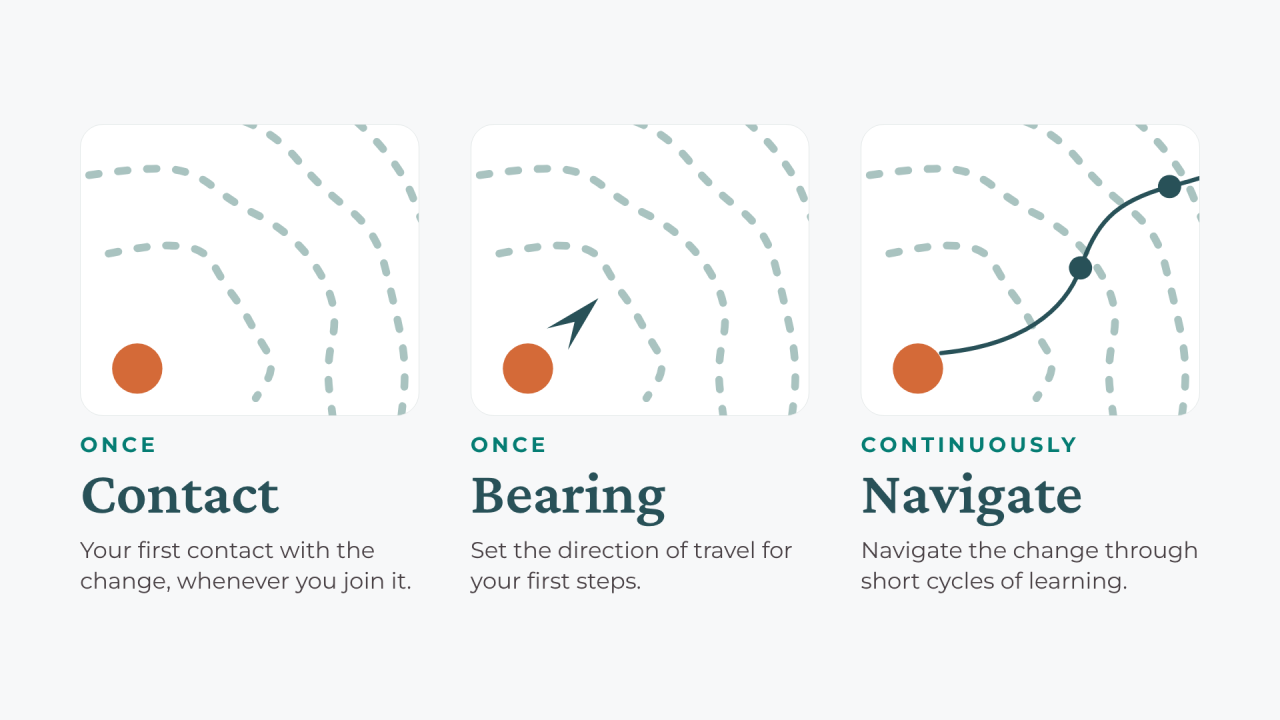
There are three goals: Contact, Bearing and Navigate.
Contact
Let's start with Contact, which is my favourite. When I thought about how I'd experienced change, dropping in at all sorts of random points, I realized every one of us has a first contact with a change. It might be at the beginning, the middle or the end, but there's always a moment when you join the team and step into the work.
Contact doesn't tell you to run a stakeholder analysis or write a plan, because context matters. That work might already be done. It might not be needed, or it might not fit the situation. Imagine you've joined after go-live to help with adoption. A stakeholder plan probably isn't the first thing you need.
Instead, the goal of Contact is to get oriented and understand the dynamics you've just stepped into. There are three things you're trying to understand.
The change. What's changing, why, what's happened already, and what's been decided?
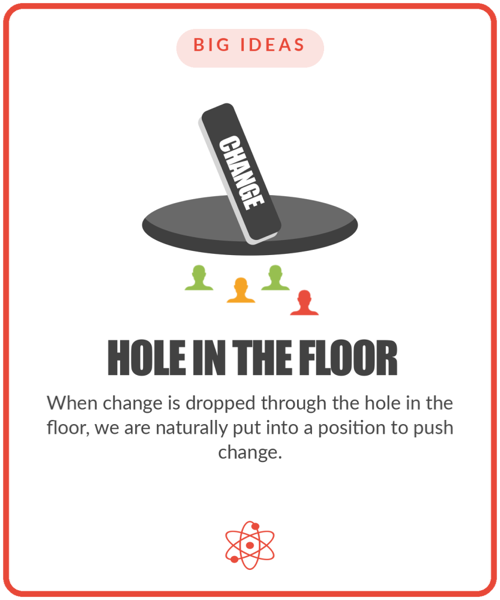
View this element: Hole in the Floor
The people. Who's affected, involved and influential, and what are you hearing from them? Where are your movers, movables and immovables? In other words, where does support sit, and where are the hotspots?
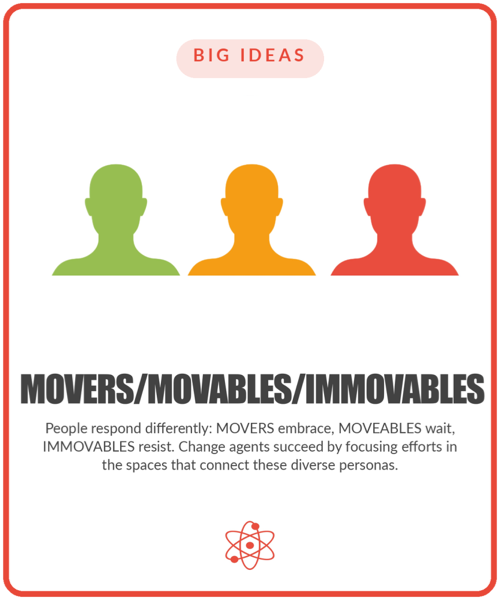
View this element: Movers, Movables, Immovables
The system. What conditions, patterns, constraints, history, competing changes and dynamics are shaping this change?
Everyone needs to do this before they act. It means stepping back, listening closely, observing, and using a few simple mental models to make sense of what you're seeing.
Contact only happens once. You never get a second first contact with the same change.
Bearing
Once you're oriented and have a sense of what might need to happen first, you move into Bearing. Like Contact, it happens once. Bearing is about setting up the starting conditions for navigation. You're working out the most important thing to accomplish next and which direction you're heading.
You might call that direction the vision, the project objectives, the outcomes or a milestone. Whatever you call it, you can see it. It may be off in the distance and a bit fuzzy, but there's enough shared purpose to guide decisions and enough structure to start moving, without needing to know the whole journey.
Set the strategy. What's our change strategy? What's the purpose and vision, what does success look like, and how will we approach it? Some of this may already exist, in which case your job is to understand it.
View this element: Strategic Change Canvas
Set the horizons. Where are we heading, what matters next, and what's actually within reach right now? This is the Big, Next, Now model from Lean Change.
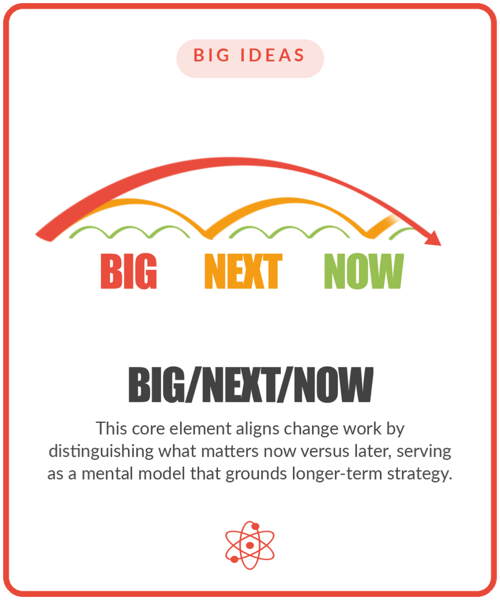
View this element: Big, Next, Now
Organize the work. How will we manage the work and stay aligned? How will we make it visible, what cadence will we keep, and what ways of working suit this team?
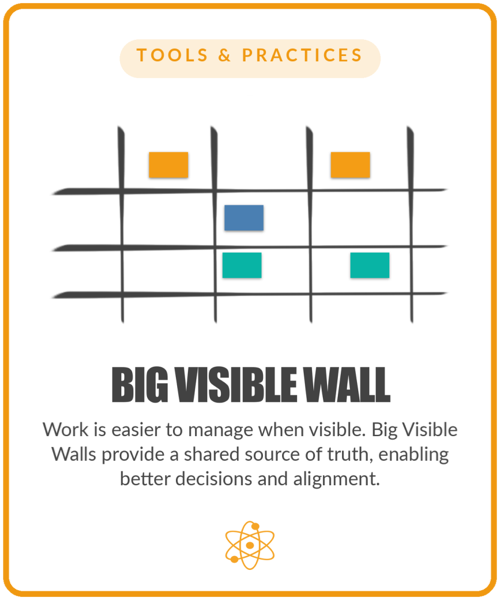
View this element: Big Visible Wall
Navigate
Bearing only happens once too, because from there you move into Navigate. This is where you put the Lean Change Cycle to work, the continuous loop of insights, options and experiments. It's where you keep asking yourself three questions, every week, every day and sometimes every hour.
What do we know? What are we learning, what do we still need to know, and what assumptions are we making?
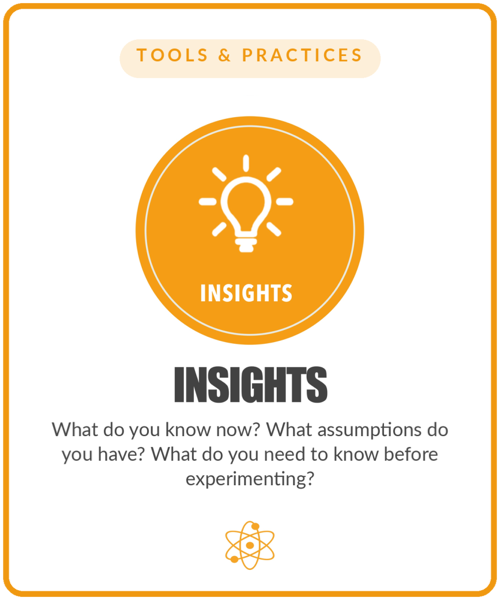
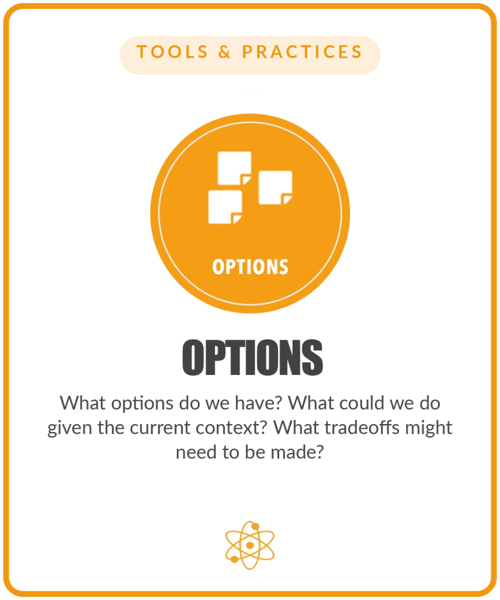
What might we do? What possibilities do we have, what are the trade-offs, and what might help? There's no single right path through complex change, so you weigh up a range of options.
What will we do? What will we try, what's our hypothesis, how will we know what happened, and how long will we give it?
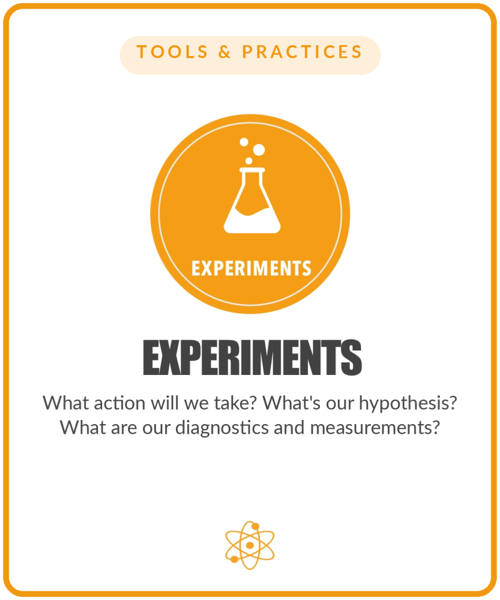
View this element: Experiments
The Lean Change Cycle is part of the broader Lean Change Operating System, which I'll cover in a future article.
Navigate is the only orientation goal that happens continuously. The cycle doesn't end. Contact and Bearing get you situated, and Navigate is where you get moving.
Putting it together
The orientation goals are a way to get your footing in a complex system. You hit the ground, get oriented, set your direction of travel, and then start navigating, adjusting and adapting as you go.
Each goal is backed by the Lean Change elements of change, some of which are linked in this article. There are more than 100 ideas, practices, philosophies and tools that you can combine and recombine to suit whatever your context calls for.
You can explore the orientation goals and the elements behind each question on the Orientation Goals page.
Justin Balaski and the Lean Change Team
Start the conversation