PNI Model
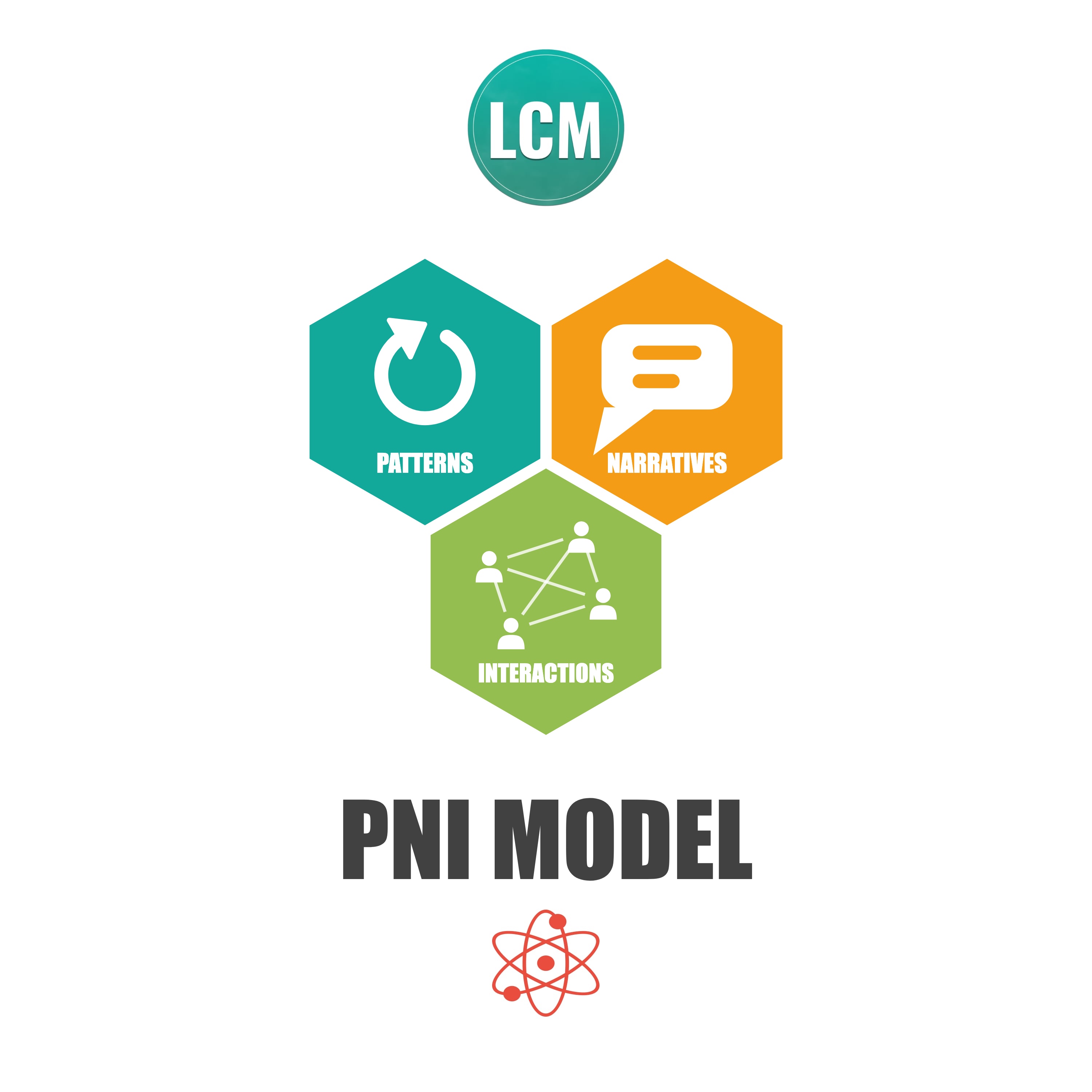
The Patterns, Narratives, Interactions (PNI) model helps you make sense of your change culture through three connected elements that continuously reinforce and influence one another.
PNI Model vs traditional thinking
Two different assumptions about how change should work.
Lean Change View
Change requires both sensing and responding. Sense what is happening now, respond with awareness, then sense again.
Traditional Change Management
Traditional approaches try to predict and control the change journey: assess the current state, define the future state, and roll out a plan to close the gap.
Why is change so hard, and why do the same challenges keep repeating across projects and organizations? Poor sponsor engagement. Change fatigue. Scarce resources. Unrealistic plans. These aren't isolated problems. They're recurring patterns of behaviour with no single fix. Seeing them for what they are transforms how y...
Members see the deeper working notes
Sign in to read the full detailed content, relationship notes, and the richer context around how this element is applied.
Child Developments
Related child elements that expand this building block.
The observable exchanges, conversations, decisions, and collaboration that reveal how change is really unfolding.
The shared stories, beliefs, and assumptions that shape how people interpret and respond to change.
Recurring dynamics that shape how people respond to change. They aren't isolated problems, they're recurring patterns of behaviour with no single fix. The biggest change challenges are not problems to solve but patterns to shift.
Connections to the broader Lean Change ecosystem.
Sign in to see curated resources, tools, and deeper ecosystem connections for this element.
Join / sign in →