Governing Constraints
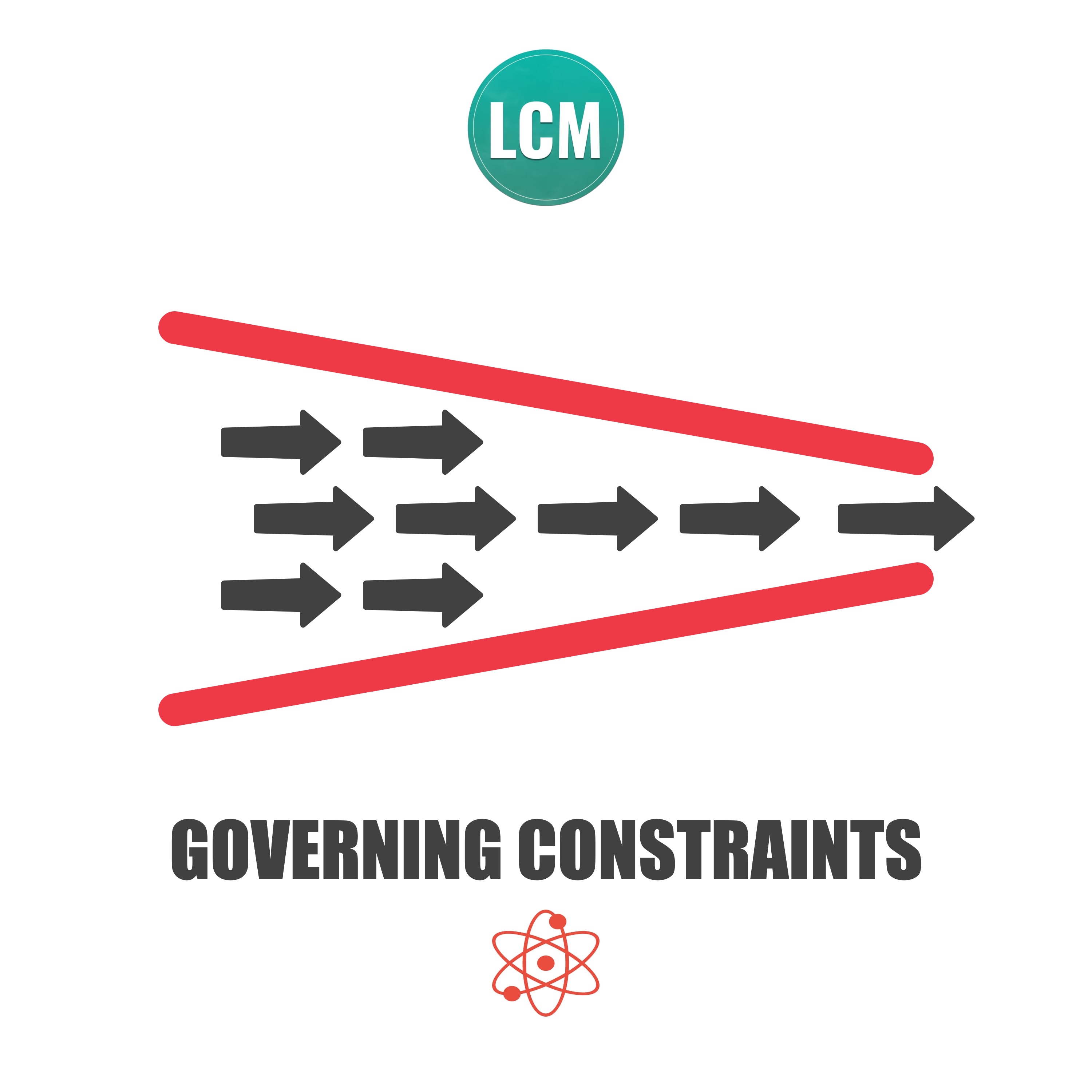
Governing constraints set the limits that direct behaviour: policies, rules, approvals, and structures. They create predictability, but too many of them squeeze the life out of change.
Governing Constraints vs traditional thinking
Two different assumptions about how change should work.
Lean Change
Governing constraints are useful where the work is predictable. When change is emerging, we look at which constraints are real, which are habit, and loosen the ones that keep new behaviour from showing up.
Traditional Change Management
Change is controlled through policies, stage gates, and approvals. If people aren't following the new process, we add more rules and more oversight.
Every organization has rules that shape how work gets done: policies, approval steps, budgets, reporting lines, and compliance requirements. These are governing constraints . They put boundaries around behaviour and steer it in one direction, so people know what's expected and the organization stays safe and predictabl...
Members see the deeper working notes
Sign in to read the full detailed content, relationship notes, and the richer context around how this element is applied.
Connections to the broader Lean Change ecosystem.
Sign in to see curated resources, tools, and deeper ecosystem connections for this element.
Join / sign in →