Orientation Goals
Contact, Bearing and Navigate: three points of orientation for working with change, without prescribing a process to follow.
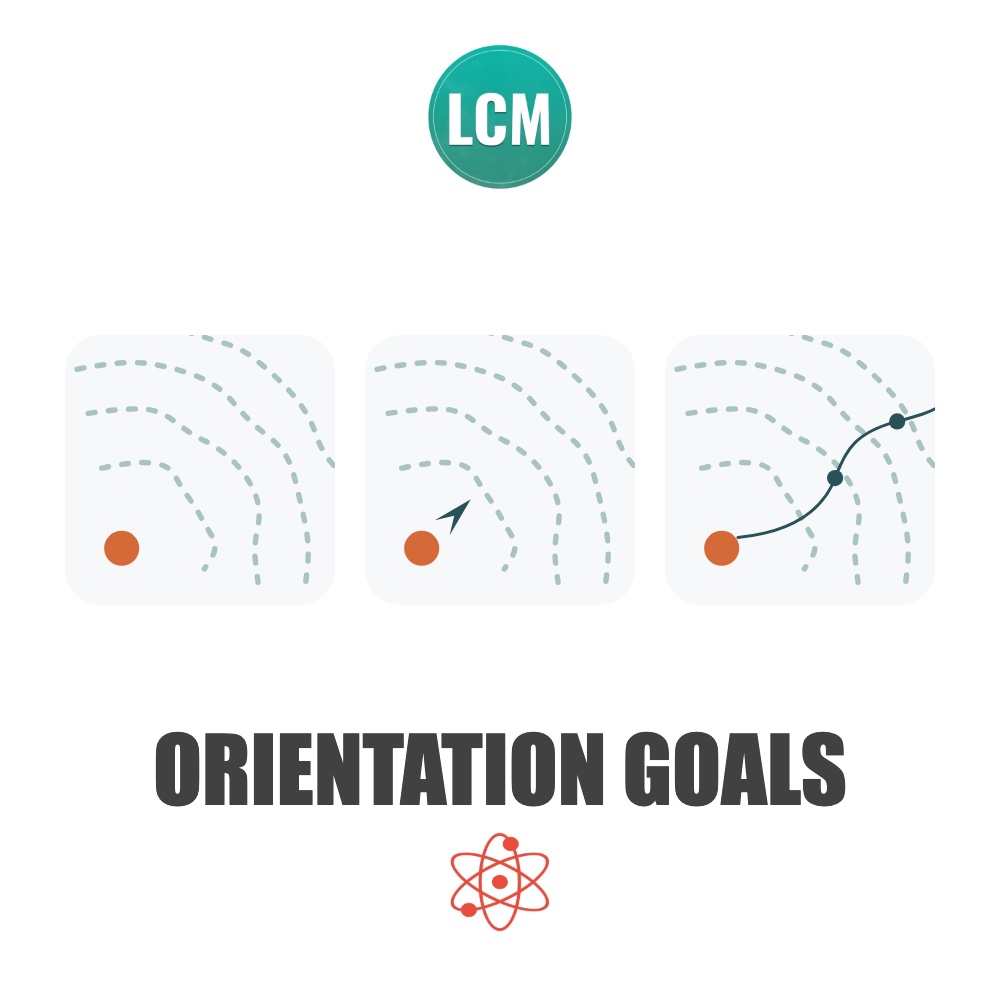
Orientation Goals vs traditional thinking
Two different assumptions about how change should work.
Lean Change View
Three points of orientation, not phases. Contact and Bearing happen once; from there Navigate runs continuously as you learn from what happens and adapt.
Traditional Change Management
Change follows a fixed sequence of phases, from assessment to plan to rollout, no matter when you join.
Lean Change provides three points of orientation for working with change, without prescribing a process to follow. They aren’t phases or a sequence of prescribed activities. Once oriented, the work becomes continuous, so you learn from what happens, respond to changing conditions and adapt what you do next. Contact, Be...
Members see the deeper working notes
Sign in to read the full detailed content, relationship notes, and the richer context around how this element is applied.
Child Developments
Related child elements that expand this building block.
Set initial conditions for navigation. Establish the next most important outcome to accomplish, and the direction of travel that gets you there. Set enough shared purpose, outcomes, intent and ways of working to guide decisions — and enough structure to start navigating, without having to know the entire journey.
Establish context. Understand where you’ve entered, what has happened so far, who is involved, and the conditions you’ve inherited. Get enough orientation to move forward.
Work iteratively through the change. This is where you begin to implement the Lean Change Operating System — the continuous cycle of generating insights, creating options and running experiments to navigate the change, guided by the Five Universals and the Four Dimensions.
Connections to the broader Lean Change ecosystem.
Sign in to see curated resources, tools, and deeper ecosystem connections for this element.
Join / sign in →